

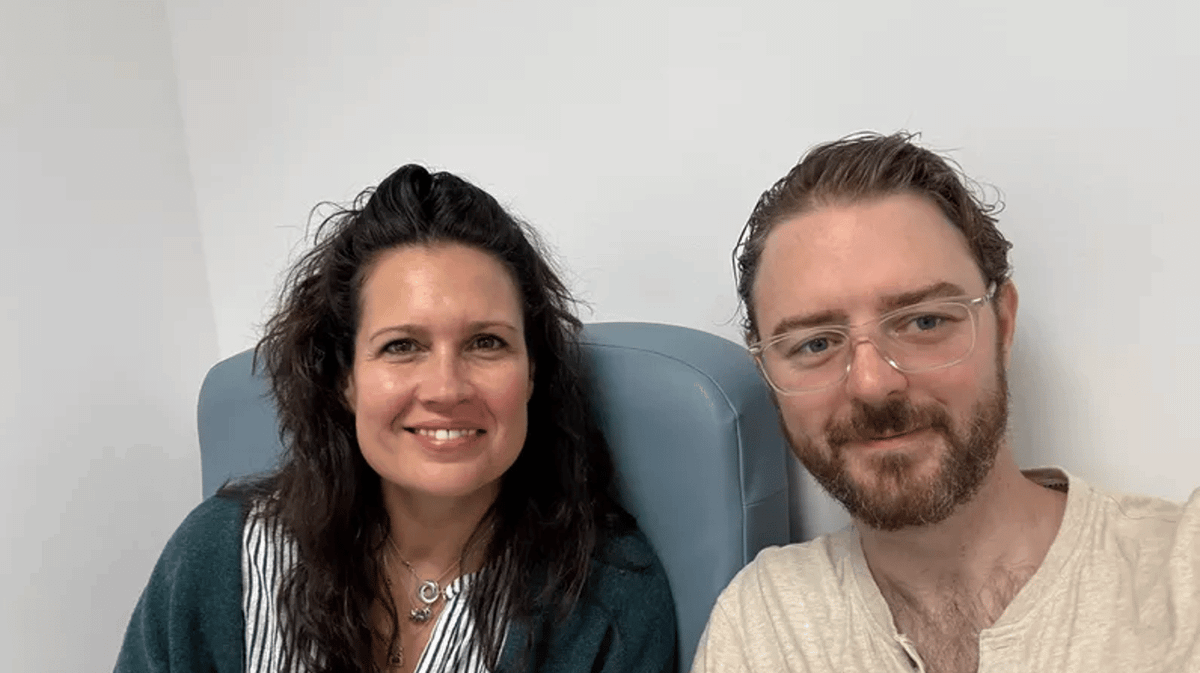
A father who was diagnosed with an ‘incurable’ form of cancer initially ignored his symptoms after putting it down to stress.
Dale Atkinson, from Peak Health and Fitness, was diagnosed with oesophageal adenocarcinoma in October 2024. He was later told the cancer was too advanced for surgery and that doctors could not cure it.
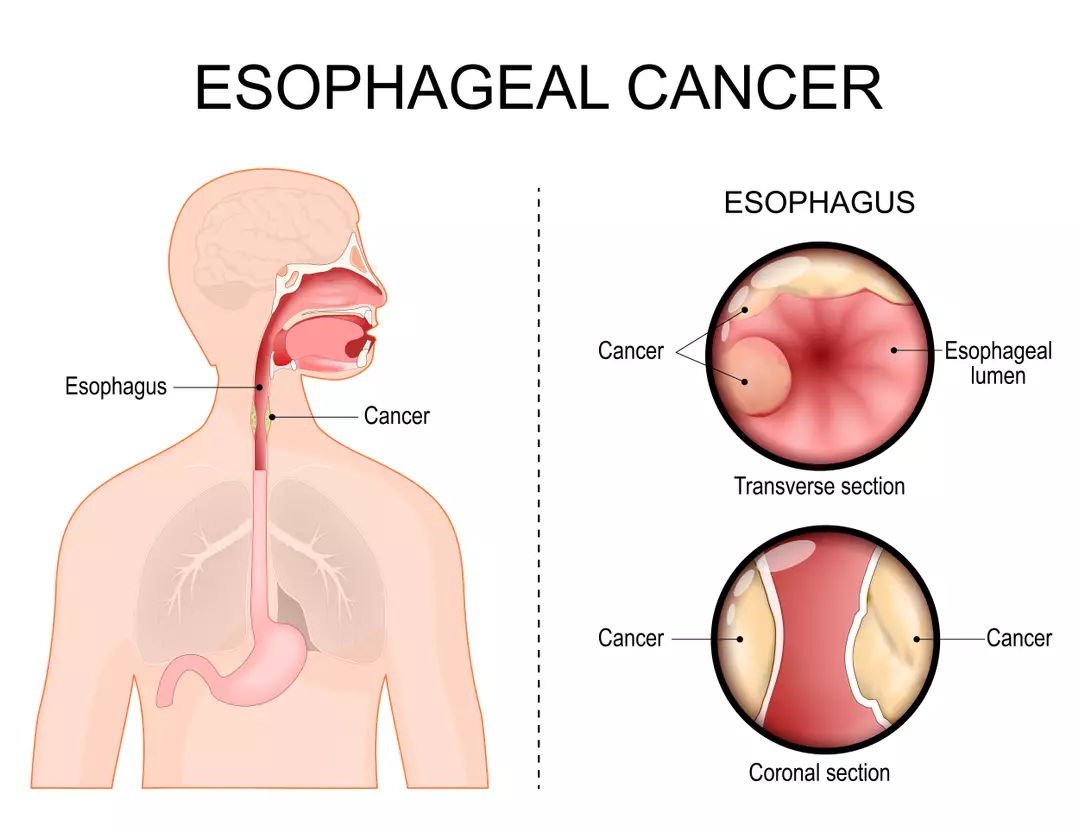
The NHS explains that oesophageal cancer “is a cancer that’s found anywhere in the oesophagus, sometimes called the gullet or food pipe”. It’s a form of cancer that is frequently detected at a later stage.
For a long time, Dale dismissed what he was experiencing, believing it was linked to a busy routine and the pressures of raising two young children with his partner, Ana.
But the symptoms didn’t go away—and in hindsight, they were pointing to something far more serious.
“For years, I had always suffered with heartburn and acid reflux, which I put down to stress and working long hours,” he explained.
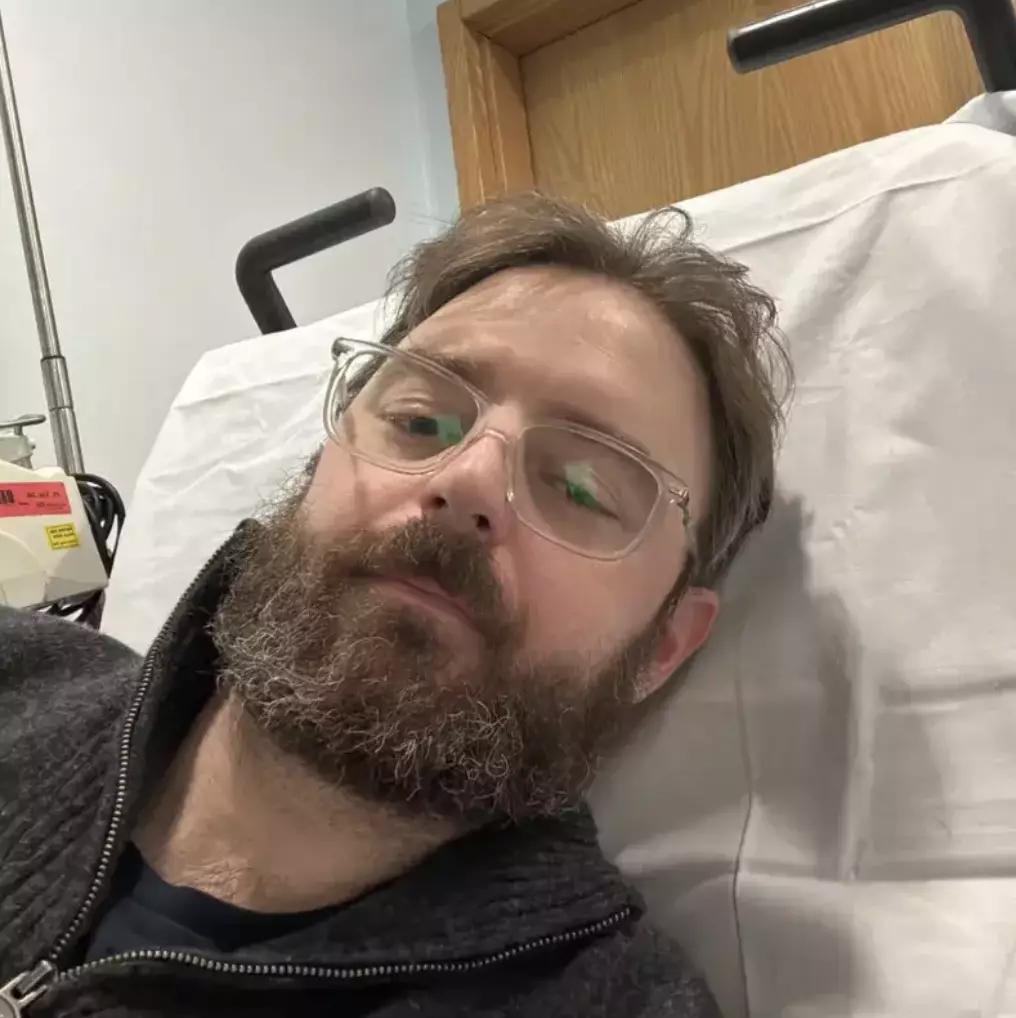
“Looking back, the warning signs had been there much longer than I realised. As far back as 2019, I had been going to my GP with acid reflux, acid rising during sleep, burning in my throat and nose, and stomach cramps. I was prescribed omeprazole and reassured.
“When things worsened, I was made to feel like I was wasting NHS time, so I stopped pushing as hard as I should have.
“By 2023 and into 2024, the symptom had become more serious. I started to experience pain after eating, swallowing felt strange, as if food wasn’t going down properly, and I lost a significant amount of weight.”
At the same time, Dale’s wife was facing her own fight with lung cancer. Despite the bleak outlook he’d been given, he chose to pursue every possible avenue and look closely at what could still be done.
He added: “I started researching everything about my cancer, sought second opinions, built a team around me in November 2024, and had advanced genomic testing done to understand fully what was driving my tumour and which treatments might work best.
“For the first time, I felt like I had a map instead of a diagnosis. One of the earliest useful results from that testing was chemo sensitivity analysis, and it came back in time to help guide my treatment decision.”
Dale continued: “Until then, I had seriously considered declining chemotherapy. I had been told it might only buy me a few extra months at best, and I was weighing that against the possible impact on my quality of life.
“But based on those results, and after discussions with my team about likely effectiveness, I decided to go ahead with CAPOX chemotherapy and pembrolizumab immunotherapy as part of my treatment plan, starting in December 2024.”
Although he has been told the cancer is “incurable”, Dale has shared that his latest scans indicate significant improvement and a meaningful response to treatment so far.
“There has been major regression in metastatic disease and my primary tumour has shrunk significantly from its largest recorded size,” Dale added.
“It’s not remission yet, but it is real progress.”