

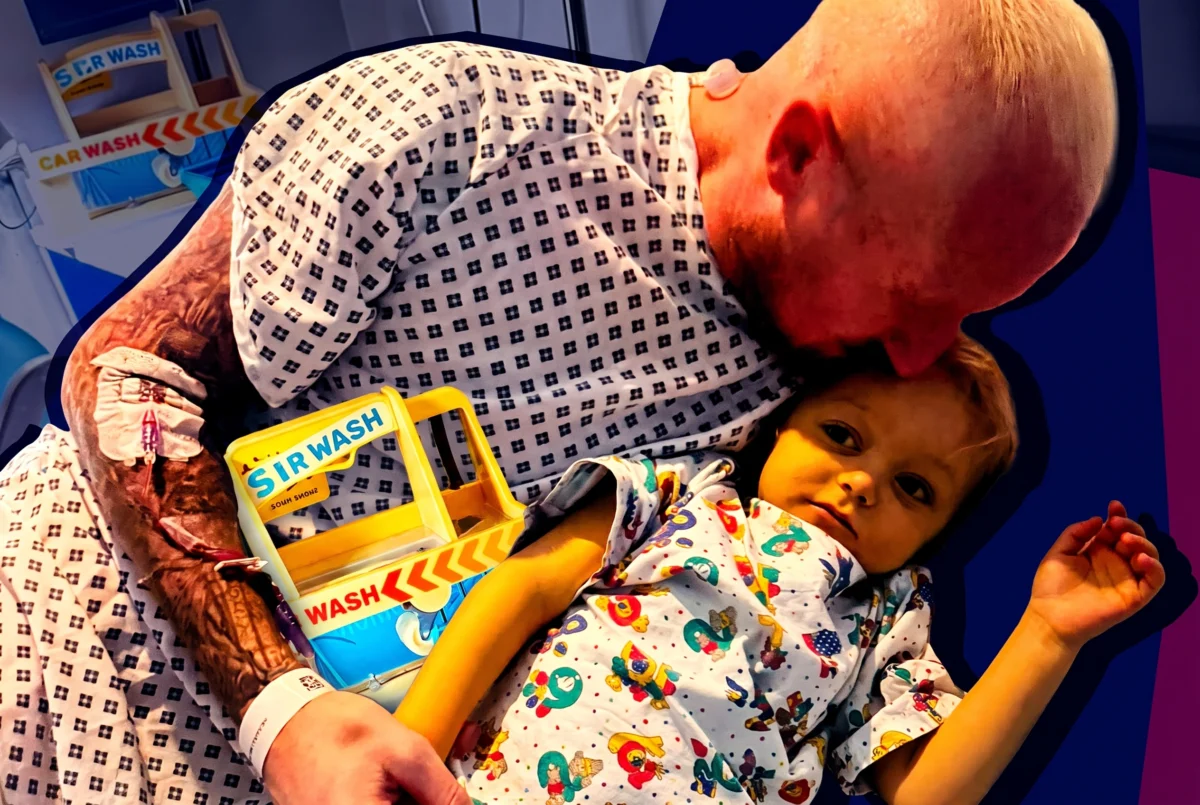
A father who shed six stone to become a living donor for his young son has described the ordeal as the greatest privilege of his life.
Gary, from Cambridge, underwent a grueling 17-hour operation at King’s College Hospital in London to donate part of his liver and bowel to his six-year-old son Harry. The surgery, which took place in January last year, is believed to be one of only 10 such procedures performed on children worldwide. Harry was born with malrotation, a rare bowel abnormality that develops in the womb, and later developed intestinal failure-associated liver disease caused by years of intravenous feeding.
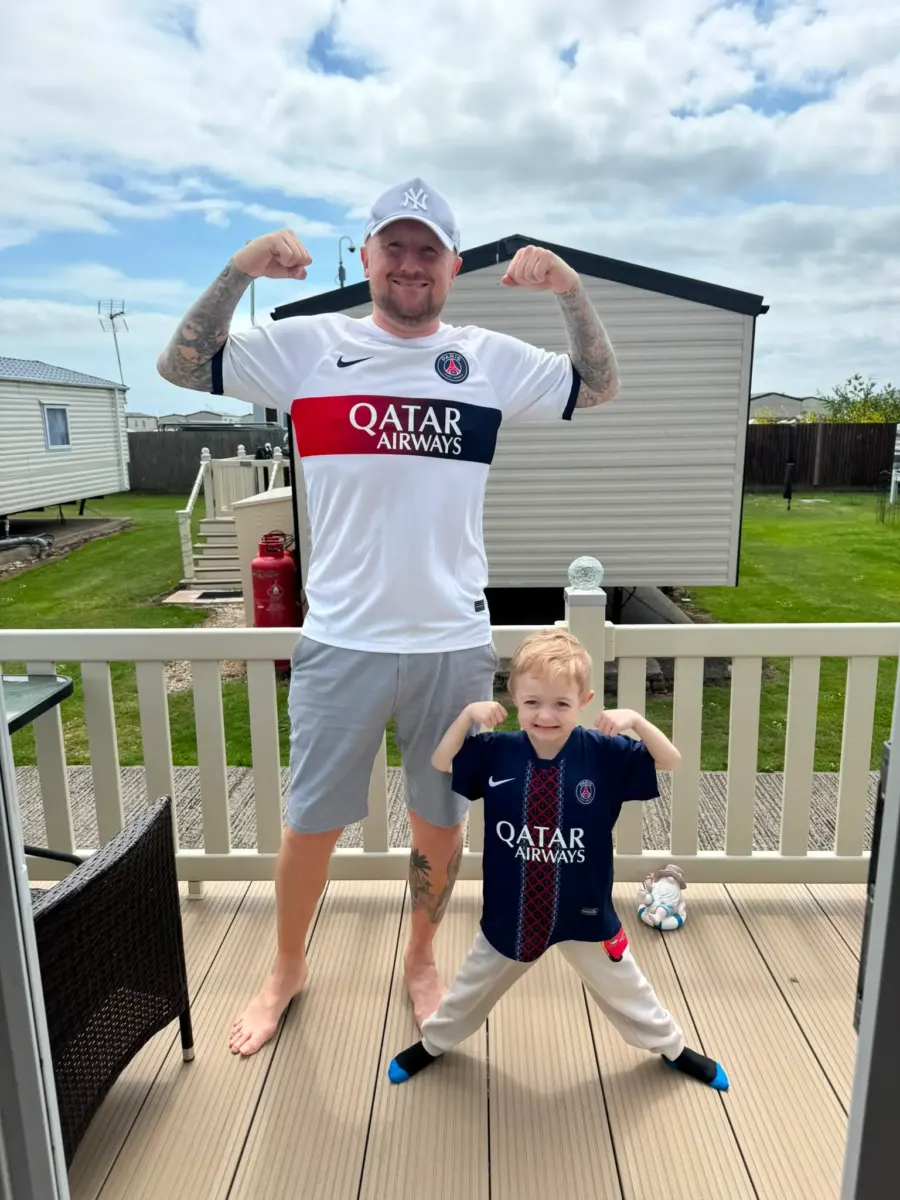
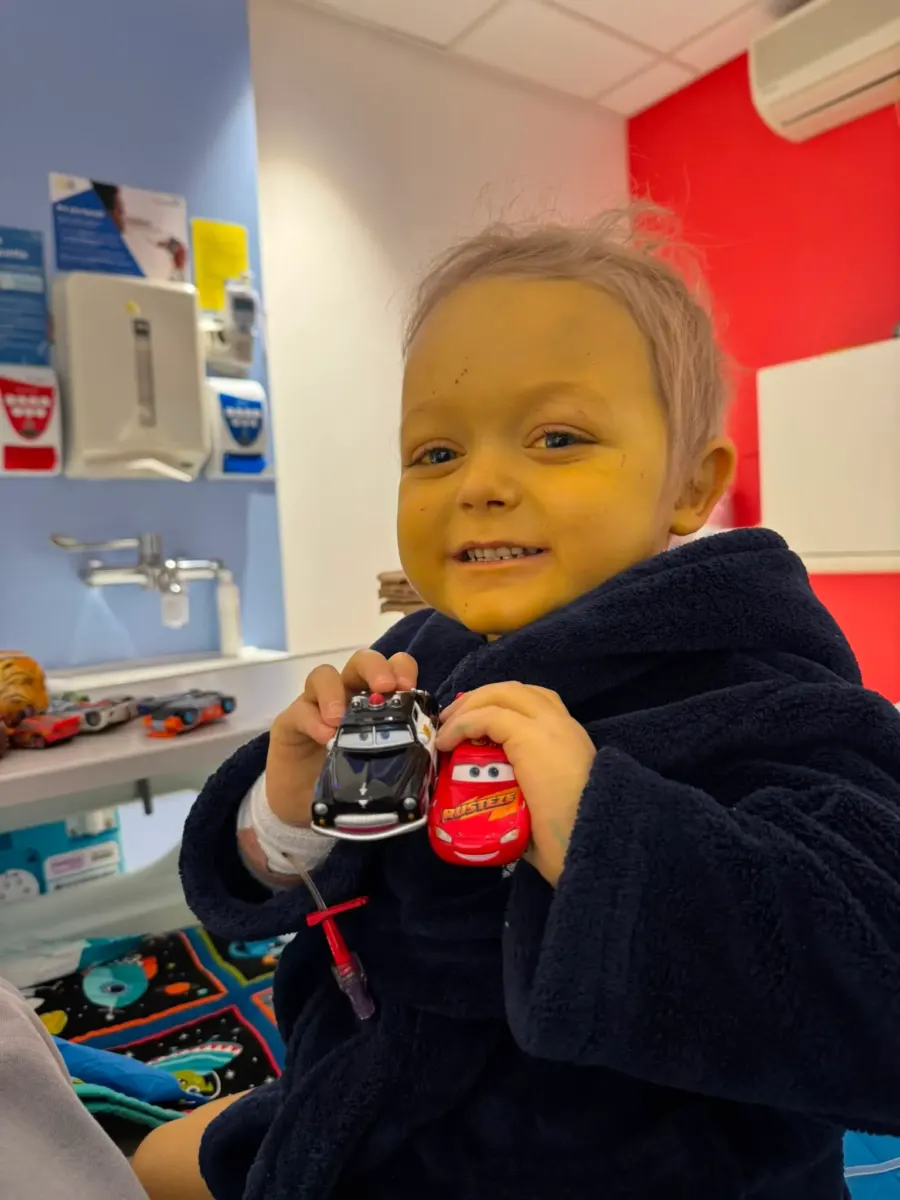
“When you’re a parent, you’d give your child anything in a heartbeat,” Gary said. “So when I was told I could donate part of my liver and bowel to Harry, there was never a decision to make. I was just incredibly grateful that I had the opportunity to do something that could help save his life and give our little boy a second chance.”
The road to the operating table demanded extraordinary discipline from the father of two. Gary spent months following a strict diet, eliminating alcohol entirely, and shedding significant weight to ensure his body could handle the surgery and provide healthy tissue for his son. He described the preparation as physically and mentally demanding, with every challenge feeling worthwhile because it brought him closer to helping Harry.
“The journey to surgery wasn’t easy. I had to lose six stone, follow a strict diet, completely give up alcohol and stay focused for months to make sure I was healthy enough to donate,” he continued. “It was physically and mentally demanding but every challenge felt worthwhile because it meant I was one step closer to helping Harry.”
Harry’s mother Annie had been equally prepared to donate, and both parents immediately volunteered for testing when doctors determined their son needed the dual transplant. The couple had always known a bowel transplant would likely feature in Harry’s future, though they had hoped it would be years away. The deterioration of his liver function accelerated that timeline dramatically.
“When Harry was diagnosed with malrotation, we always knew that a bowel transplant would likely be part of his journey one day,” Annie said. “We just hoped that day would be many years away. When his liver began to fail because of the total parenteral nutrition keeping him alive, everything changed. Suddenly we were faced with the reality that he needed both a liver and bowel transplant much sooner than we had ever imagined.”
She spoke about the anguish of watching children endure the waiting process for life-saving organs. “There are hundreds of children like Harry waiting for the phone call that could save their lives. As parents, you feel completely helpless watching your child wait for something so uncertain. The thought that one of us might be able to donate and give Harry that chance was something we wanted to explore immediately. If there was any possibility we could help him ourselves, we had to try.”
Weeks of medical assessments followed before Gary emerged as the optimal donor, sharing a 98 percent human leukocyte antigen match with his son. This remarkable similarity between their immune systems made him the ideal candidate and minimized the risk of rejection.
Professor Nigel Heaton, consultant transplant surgeon at King’s, who operated on Harry, praised Gary’s commitment throughout the process. “From the first meeting, it was very clear that Gary was set on doing all he could to help Harry recover. He took the idea of living donation very seriously and reduced his weight through healthy eating and exercise,” Heaton said. “Gary was always positive and uncomplaining, and recovered very quickly.”
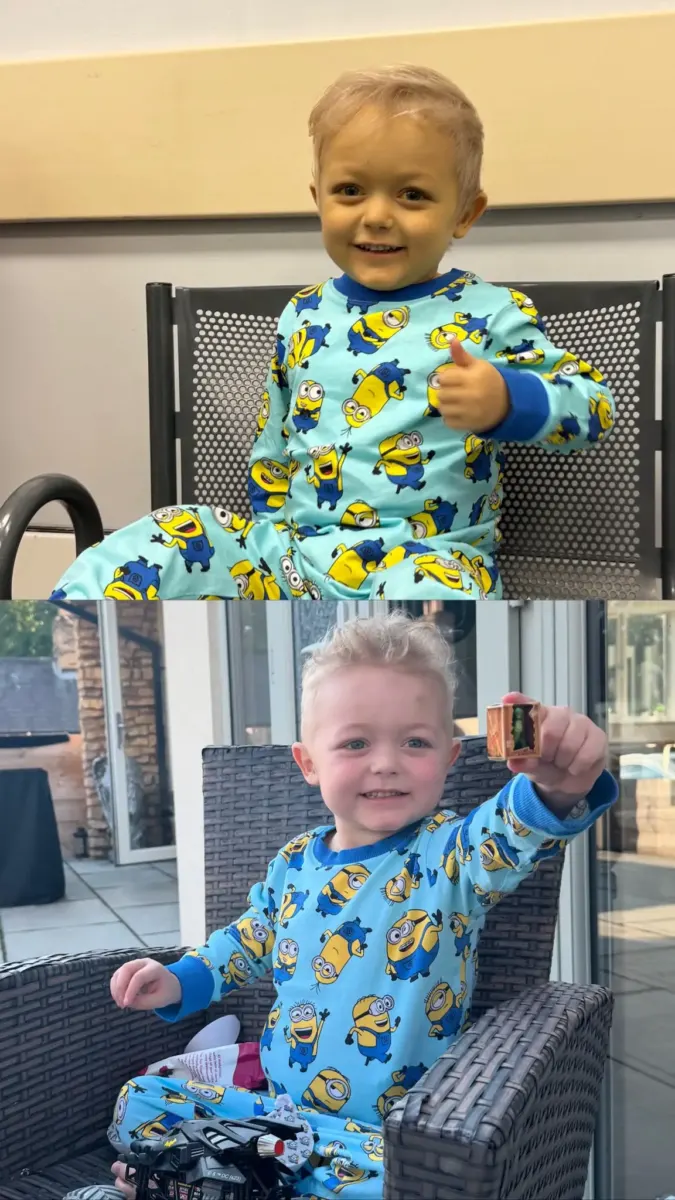
The surgical team removed approximately 20 percent of Gary’s liver and one and a half metres of small bowel through a vertical scar in his upper abdomen. His own recovery took roughly six weeks, during which he watched his son grow stronger day by day. The emotional weight of that transformation, he said, defied full expression.
“The operation itself lasted 17 hours and my recovery took around six weeks. It was tough, but nothing compares to seeing Harry looking healthier and stronger afterwards,” Gary added. “Watching him recover and knowing that I had been able to play such a significant part in giving him that chance is something I’ll never be able to put fully into words. It remains the greatest privilege of my life, and I would do it all again without a second thought.”
Living donor liver transplants remain uncommon in British medicine, accounting for roughly three in every 100 liver transplants performed nationally, with most benefiting children. Only three NHS centres—King’s, Leeds, and Birmingham—provide this specialized service. This year marks six decades since King’s established its liver unit, during which time its surgeons have performed more than 300 living donor transplants.