

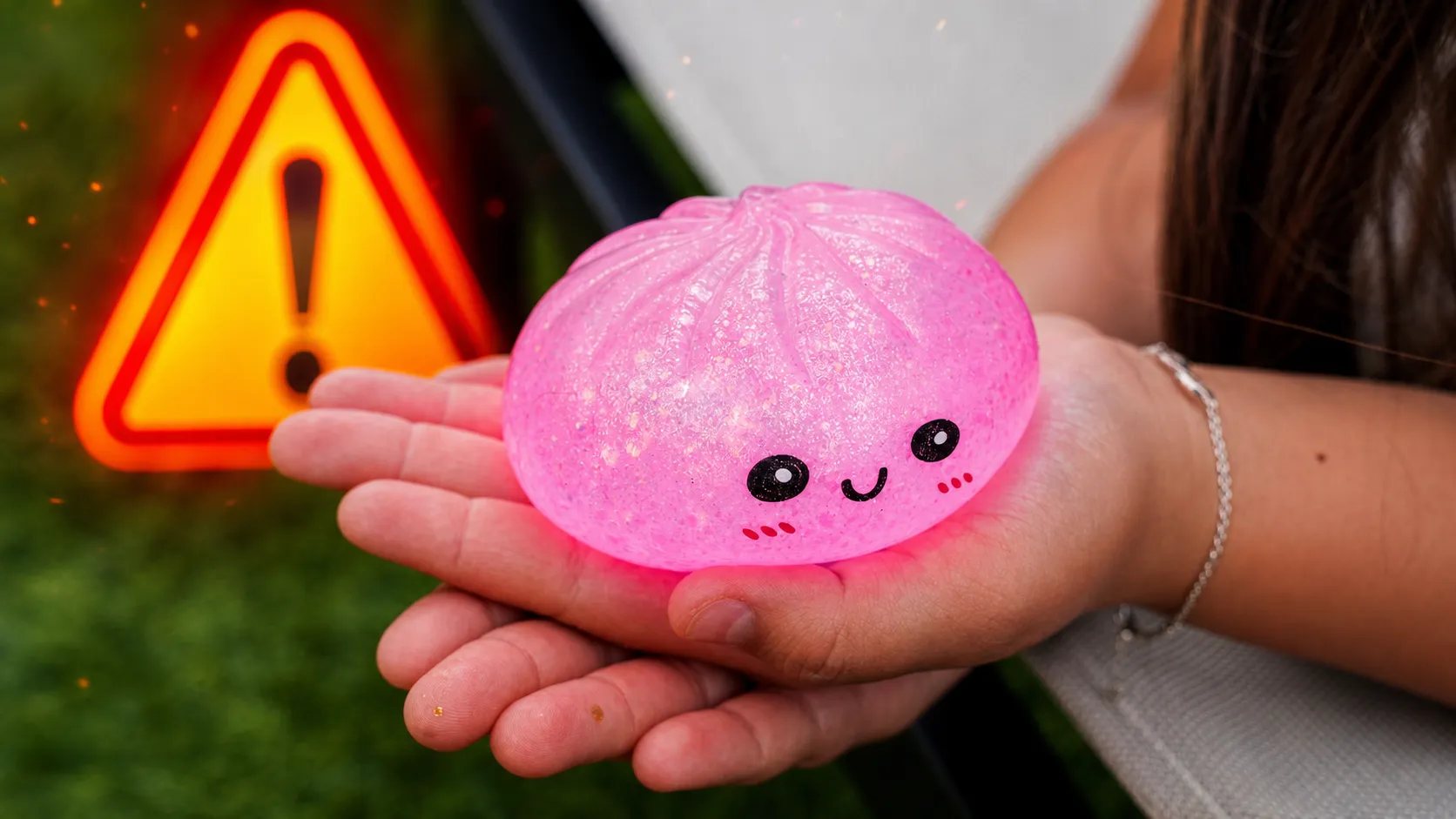
Parents are being urged to take extra care when buying squishy toys for children, as safety concerns continue to grow around the popular products.
Warnings have been issued by several councils across the UK over squishy toys, including the widely discussed ‘squishy dumpling’ trend, after some imitation items were found to contain benzene, a known carcinogenic chemical.
In the latest development, the Office for Product Safety and Standards issued a recall on 25 June 2026 for Squeezy Dumplings sold by Samsons Cash and Carry Ltd after testing found the outer layer contained an excess concentration of benzene. The recall notice said the products should be stopped immediately and kept out of the reach of children.
Speaking to the BBC on TikTok, Shanequa Paris asked trading standards manager Helene Corlette what parents should check to make sure a toy was safe before buying it.
To illustrate the point, Corlette compared two squishy toys side by side, saying one was “likely to be safe” and the other was “likely to be unsafe.”
“If you look at the quality of the packaging on this one compared to that one and the labelling, all the information, the difference, yeah, it’s a big difference,” she said.
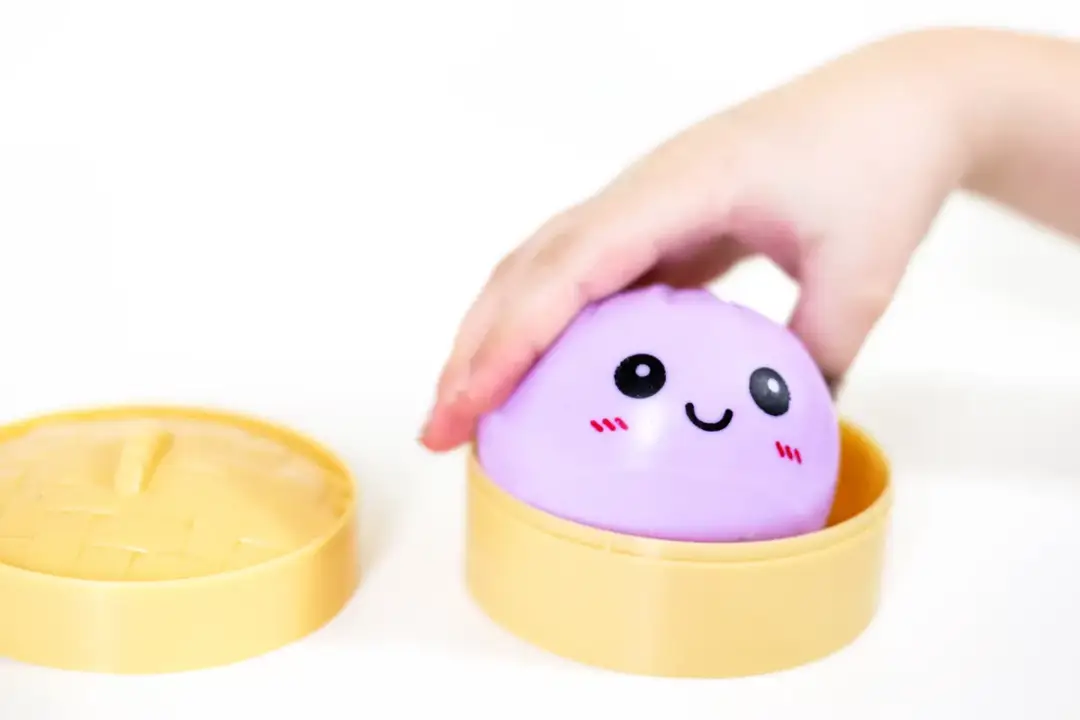
Corlette explained that safe packaging should clearly show “a UK name and address” and include “a lot of warnings” covering age suitability and possible hazards. If that information is missing, unclear or incomplete, she indicated it should immediately raise concerns.
Trading standards officers in several areas have recently reported the same red flags, including missing UK importer details, absent safety warnings, poor-quality packaging and an unusually strong chemical smell.
In Lancashire, officers removed 200 non-compliant squishy toys from sale after parents reported a strong smell and sticky texture, while Warrington Trading Standards said it had seized gel-filled squishy items that failed to meet basic safety requirements. Moray Council also warned that squishy-style toys designed to look like food can encourage children to bite or swallow them, creating a choking risk.
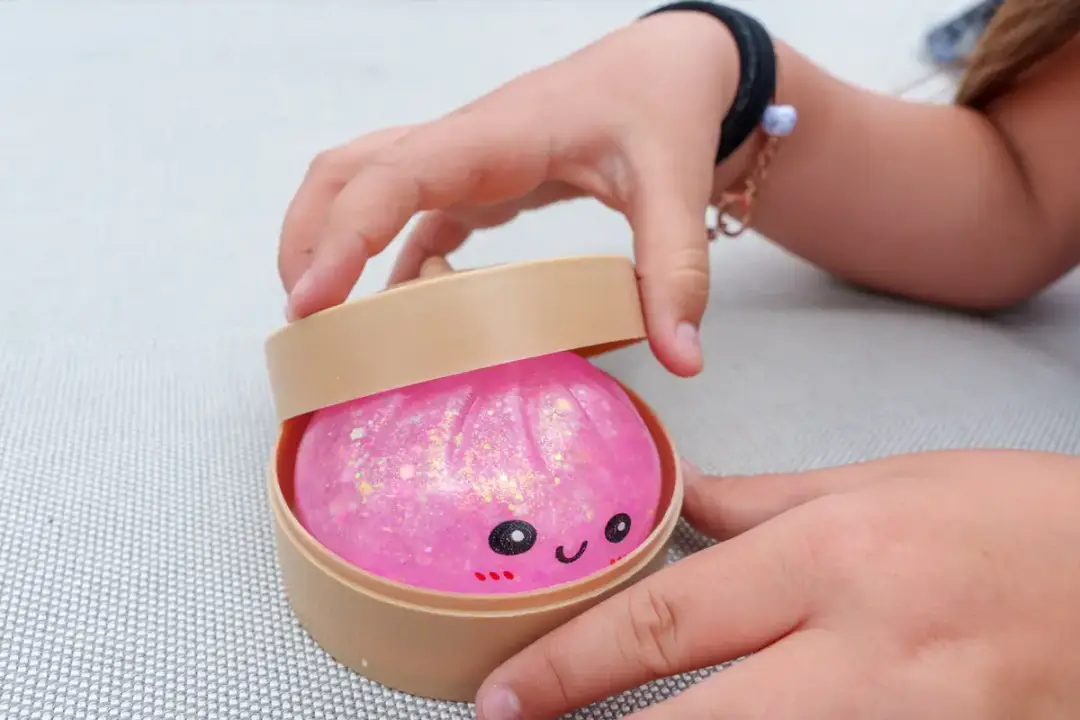
She also highlighted two warning signs to look for after a toy has been opened and used. A squishy toy that feels sticky, or one that gives off “a very strong chemical smell,” could indicate a serious problem.
Her message to anyone who notices those signs was clear: “Stop using it straight away and tell an adult.”
That advice mirrors recent alerts from local councils, which have told parents to inspect packaging carefully and only buy toys that display a UKCA or CE mark, the name and address of a UK-based manufacturer or importer, and clear safety warnings and instructions. Officers have said that if any of this information is missing, the toy may not have been through the required safety checks.
The problem is not limited to one retailer or one design. Trading standards teams have warned that counterfeit and copycat versions of viral squishy toys are often sold through marketplaces and convenience stores, where safety standards can be harder to verify.
Concerns were also amplified when one father shared viral test results after using a volatile organic compound meter on squishy dumpling toys. The readings reportedly maxed out the device, leading him to take his concerns to Health Canada.
As squishy toys remain hugely popular with children, Corlette’s guidance gives parents a simple checklist: inspect the packaging, read the labelling carefully, buy from reputable retailers, and pay attention to any unusual smell or sticky texture before deciding whether a toy is safe to keep.