

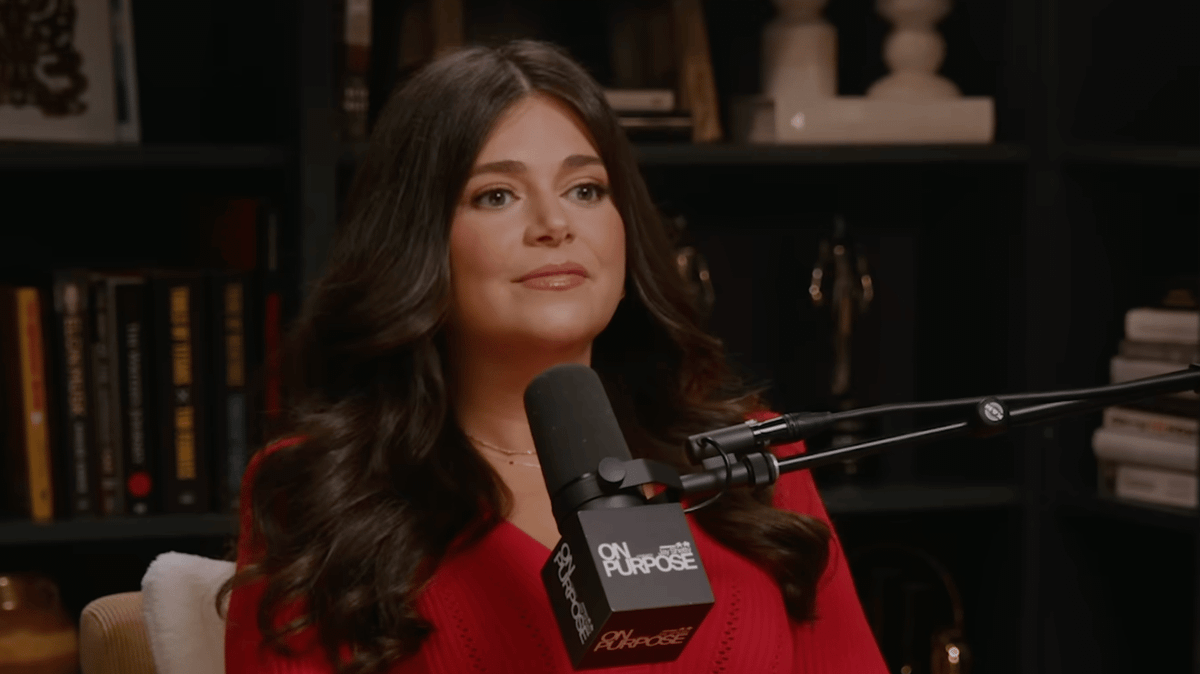
Behavioral scientist and dating coach Logan Ury appeared on the Jay Shetty Podcast to make the case for so-called ‘chalant’ dating, and honestly, it’s hard to argue with her.
Her idea is positioned as the antidote to nonchalant dating — the draining habit of acting unbothered, offering just enough attention to keep someone on the hook, and treating emotional distance like it’s attractive. Ury suggests this has been the dominant vibe in dating culture for years, and that plenty of people have reached their limit.
“Everyone knows what nonchalant means,” she told Shetty. “It means you act detached. You pretend that you don’t care. And it’s really this battle of who can care less.”
Chalant dating flips that script. Instead of trying to win by seeming least invested, it leans into being present: putting in effort, being emotionally open, and actually committing to plans rather than keeping things vague.

Ury says the first step is getting clear with yourself about what you’re looking for. Without that clarity, it’s easy to get pulled into the performance of dating — worrying about optics, stressing over response times, or obsessing over whether you’re coming across as “too much” — instead of focusing on whether you’re building a real connection.
“If you don’t know what your goal is, then of course you care more about what everyone else thinks or being cringe or being left on read,” she said.
The second step is dating with intention. In practice, that looks like asking meaningful questions, moving away from endless app messaging after a few days, and proposing a concrete plan — a specific time, day, and activity — instead of defaulting to the empty “we should hang out sometime” that rarely turns into anything.
And the shift appears to be catching on.
According to research from dating app Hinge, searches for the word ‘chalant’ have jumped 217 percent in 2024.
The numbers also support the broader message behind it. When Hinge asked women what makes someone a “high value” partner, the top responses weren’t flashy gestures or status — they were emotional availability (35 percent), acknowledging and respecting emotional needs (25 percent), and consistent communication (22 percent).

Money, notably, wasn’t near the top. In fact, 72 per cent of heterosexual women on Hinge said they care more about a partner’s effort in building a relationship than they do about income.
That points to a wider cultural pivot away from the traditional provider-first ideal.
Men’s responses suggest a similar trend. Hinge reports that 60 per cent of heterosexual men now say planning consistent dates is an important part of how they show up romantically, hinting that the old “strong and silent” approach is fading. On top of that, 84 percent of women said a thoughtful date is more impressive than an expensive one.