

A catastrophic injury and death lawyer has shared three children’s products he says parents should avoid buying for young kids.
The unexpected loss of any life is heartbreaking, but the death of a child is especially difficult to comprehend. For many parents, that fear translates into constant vigilance about what products come into their homes.
Philadelphia attorney Tom Bosworth, who works on catastrophic injury and wrongful death cases, says his experience has made him far more cautious about certain items marketed for babies and children.
In a TikTok video, Bosworth highlighted three categories he believes families should think twice about.
At the top of his list were toys that contain button batteries. As he explained: “You can find them in a whole host of kids toys even though that it’s not always obviously when you buy the toy that they’re in there.
“The reason that button batteries are so dangerous is that they can be easily swallowed. When they’re swallowed then often get lodged in the oesophagus or the trachea of the child.”
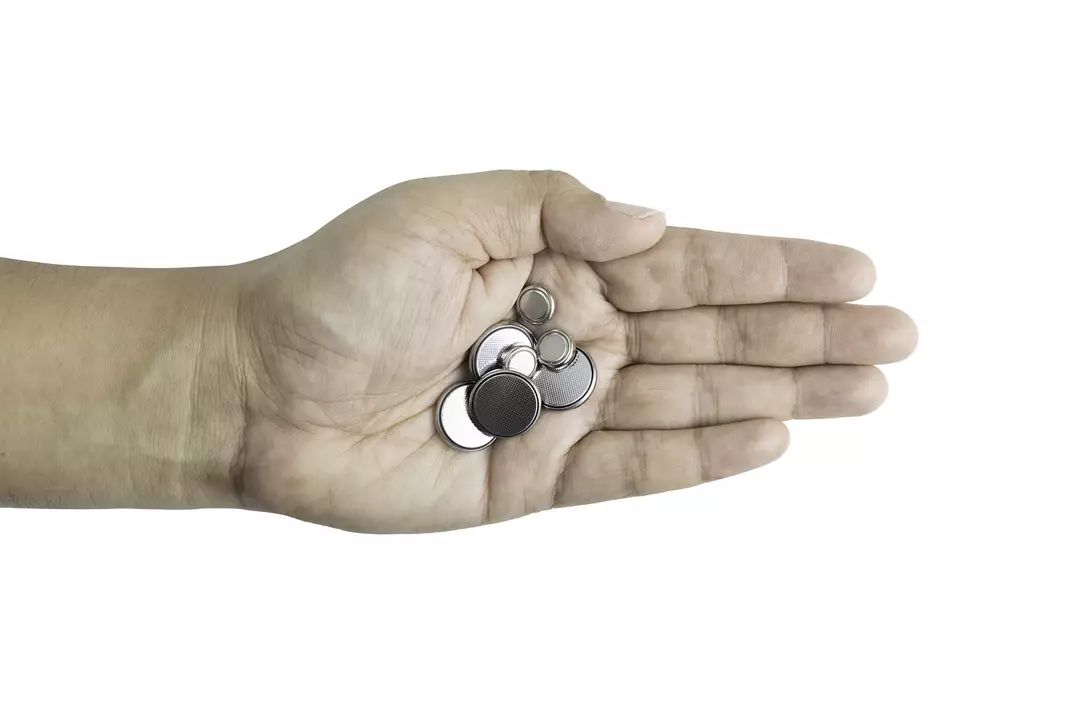
He added that the batteries’ chemical makeup can cause serious internal injuries, saying they can ‘erode or burn through the airway’. The National Capital Poison Center reports that more than 3,500 people of all ages in the US swallow button batteries each year.
The second product he urged parents to avoid was incline sleepers. Although they’re sold for infants, Bosworth warned they may pose a risk for very young babies who don’t yet have the neck control to keep their heads positioned safely.
He explained that if a newborn’s head tips forward while in an inclined position, they may not be able to lift it back up, which can restrict breathing. In the worst cases, that kind of airway blockage can lead to fatal asphyxiation.
Those concerns align with guidance from the American Academy of Paediatrics (AAP), which recommends babies sleep on their backs on a firm, flat surface.

“The rate of sleep-related infant death declined significantly in the 1990s after the AAP and others recommended that babies be placed on their backs to sleep,” states the AAP’s website.
Finally, Bosworth said he would never buy water beads for children. Often used for sensory play, the small balls can be swallowed and present a choking risk—plus an added danger once they absorb liquid.
“When put in water […], these teeny little beads blow up,” warned Tom. “There have been so many instances of kids swallowing just a couple of water beads and dying or having their airway blocked off because those beads are expanding in their oesophagus.”
The Consumer Product Safety Commission (CPSC) has also documented significant harm tied to these products, reporting that nearly 7,000 water bead ingestion injuries were treated in US emergency departments between 2018 and 2022.