

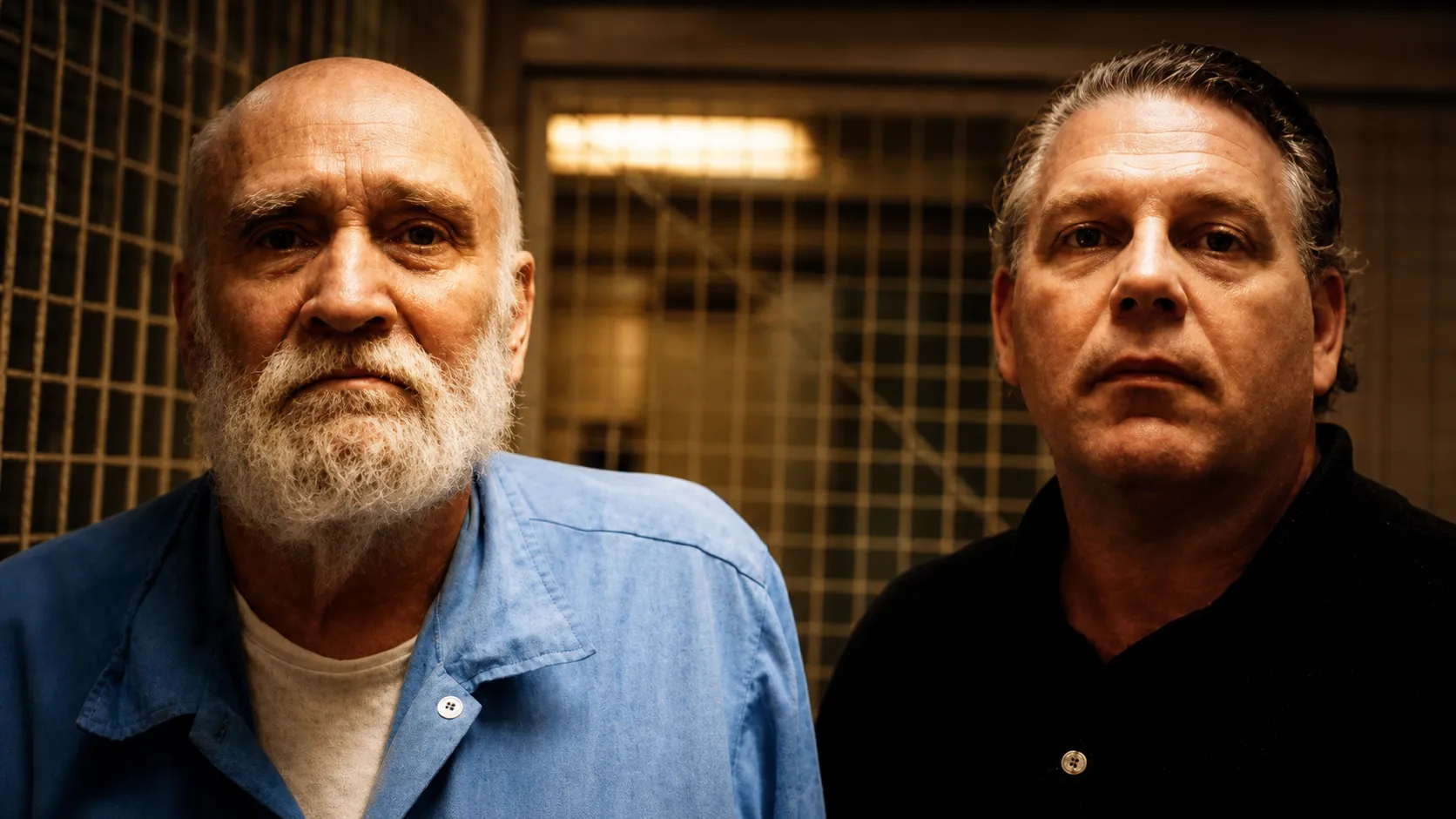
Bill Kimberlin, a psychologist who has built close connections with many death row inmates, once found himself in a chilling situation when he feared he might have become part of a condemned prisoner’s attempt to delay execution.
Over the years, Kimberlin has been asked by inmates to be present during their final days, and that has given him an unusually intimate view of the death penalty process. One encounter, however, stands out above all the others.
While sharing a last meal with a prisoner just days before the scheduled execution, Kimberlin said the inmate suddenly turned the conversation in a deeply unsettling direction.
“I’ve been thinking that if I killed one more person, if I killed somebody like today right now, then they can’t execute me, right?
“Because they have to take me to trial,”
In the US, people sentenced to death often spend years or even decades on death row. The Death Penalty Information Center says the average time from sentencing to execution was 22.2 years for people executed in 2024, reflecting the lengthy appeals and post-conviction review process that commonly stretches capital cases out for decades.
As the inmate spoke, Kimberlin said he quickly took stock of the room and realized he was alone with him. A guard was on duty nearby, but not within his line of sight at that moment.
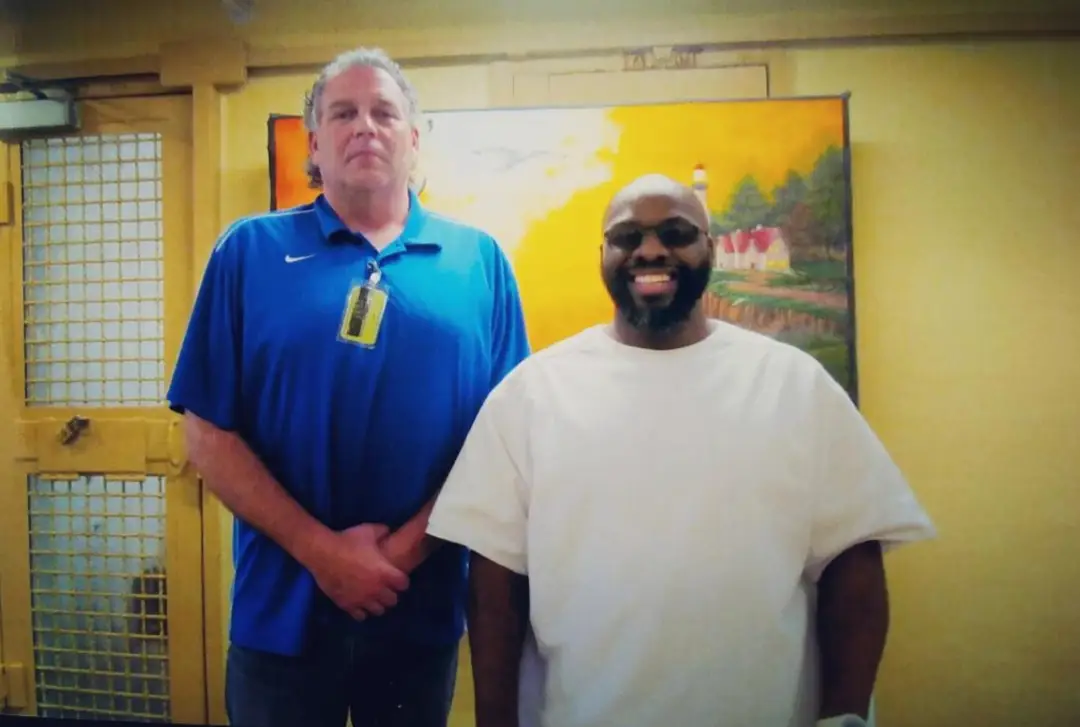
That realization immediately raised the stakes for him.
He remembered thinking ‘this guy’s a big dude’.
“I’m sweating bullets thinking ‘Oh I my god. Don’t know what I’m going to do’,”
Kimberlin said instinct took over, and he tried to talk the prisoner away from the idea by focusing on the consequences.
“They’re still going to put you to death, they’re going to try and abstentiate you out of here and bring more embarrassment to your family, so that’s definitely not something you want to entertain.”
The inmate never explicitly said he intended to act on what he had just suggested, but Kimberlin has never forgotten the moment.
“That one will always be on my mind,”
Aside from that frightening exchange, Kimberlin said many of the inmates he has worked with treat him with remarkable courtesy and concern.
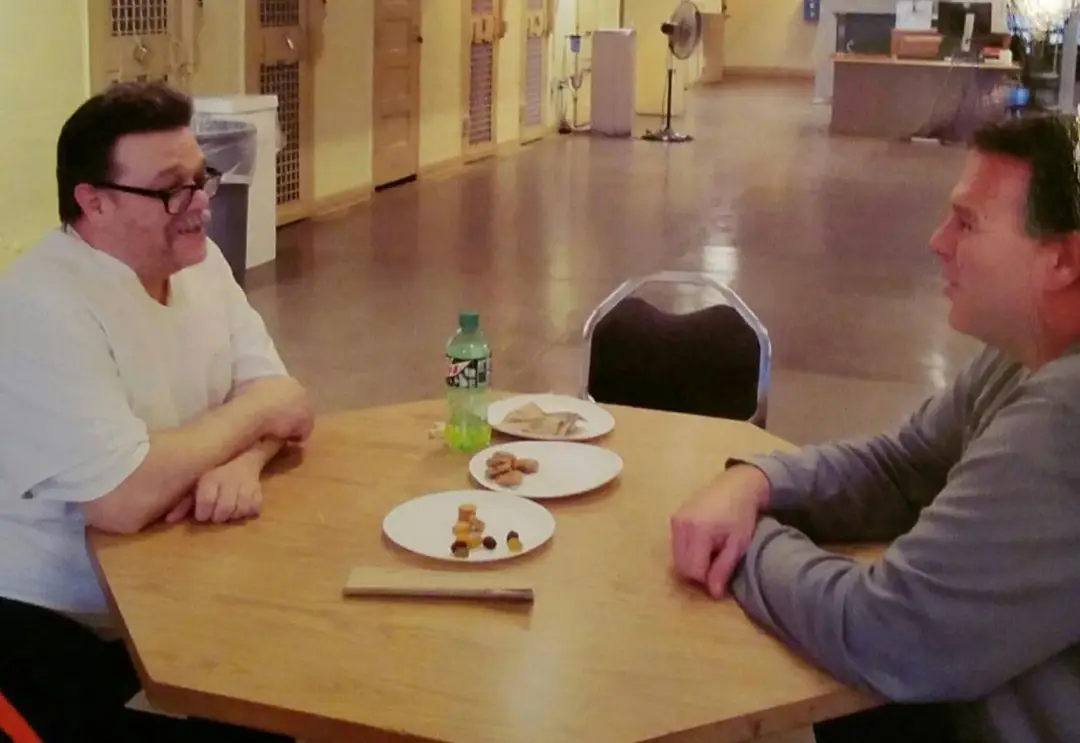
“They’re constantly concerned about my well-being, my family’s well-being. And they’ll ask that all the time, making sure everybody’s okay. They’ll ask me if I need anything,”
“The compassion that they try to show me from a psychological standpoint fascinates me.”
Among the most notorious people Kimberlin spent time with was Samuel Little, who was convicted of eight murders but later confessed to 93 killings committed between 1970 and 2005. The FBI has described him as one of the most prolific serial killers in American history.
“It fascinates me that people like that are concerned about me and my family, but they had no concern for the people’s lives that they’ve taken,”
Little managed to avoid capture for years in part because he used methods that did not leave behind the kind of forensic evidence investigators often rely on, including manual strangulation.
Last meals have long been one of the most closely watched parts of executions in the US, and some requests have become infamous because of how strange, symbolic or excessive they were.
One of the most unusual belonged to Victor Feguer.
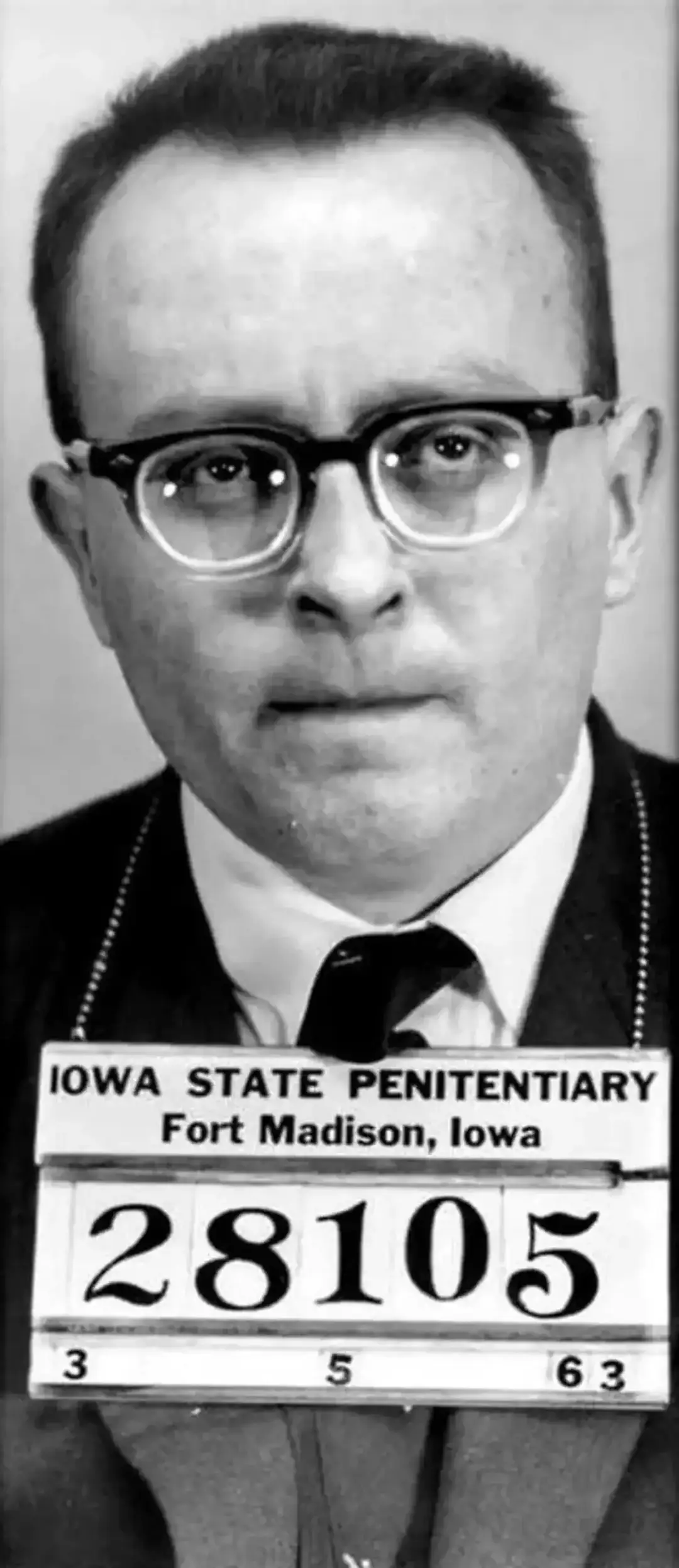
Feguer kidnapped and murdered Dr Edward Bartels in July 1960, with the doctor’s body later discovered in an Illinois cornfield after he had been shot once in the head.
He was convicted of federal kidnapping and murder, then hanged at the Iowa State Penitentiary on March 15, 1963.
For his final meal, the 27-year-old asked for a single olive, pit included. He reportedly told guards he wanted an olive tree to grow from his grave, ‘as a sign of peace’.
Another notorious final meal came from Gacy.
One of the best-known serial killers in US history, Gacy was convicted in 1980 for murdering at least 33 boys and young men during the 1970s.
He was executed by lethal injection at the Stateville Correctional Center in Illinois on May 10, 1994, aged 52.
His final order included a bucket of KFC original recipe chicken, French fries, 12 deep-fried shrimp and a pound of strawberries. The choice carried an unsettling irony, as he had previously managed several KFC restaurants owned by his father-in-law.
Then there was Ronald Gene Simmons Smith, whose request was denied.
Smith was convicted over the fatal shooting of Larry Don Rohus during the robbery of an office building in Houston in 1983.
He was executed by lethal injection at the Huntsville Unit in Texas on June 26, 1990.
For his last meal, Smith asked for a lump of rhaeakunda dirt as part of a voodoo ritual he both practiced and believed would help guide him into reincarnation.
That request was rejected, and the 37-year-old was served plain yogurt instead.
Timothy McVeigh’s final meal was far simpler.
McVeigh was convicted on charges including conspiracy, using a weapon of mass destruction and destruction by explosives resulting in death for the 1995 Oklahoma City bombing, which killed 168 people.
He was put to death by lethal injection at the Federal Correctional Complex in Indiana on June 11, 2001.
Before his execution, the 33-year-old chose two pints of mint chocolate chip ice cream.
Perhaps the most infamous last meal request of all belonged to Lawrence Russell Brewer.
Brewer, a white supremacist, was convicted alongside two other men for the 1998 murder of James Byrd Jr.
He was 44 when he was executed by lethal injection at the Huntsville Unit in Texas on September 21, 2011.
His last meal request included two chicken fried steaks covered in gravy with sliced onions, a triple bacon cheeseburger with fixings on the side, a cheese omelette with ground beef, tomatoes, onions, peppers and jalapeños, a large bowl of fried okra with ketchup, a pound of barbecue meat with half a loaf of white bread, three fajitas with all the trimmings, a Meat Lovers pizza, a pint of vanilla ice cream, a slab of peanut butter fudge and three root beers.
When the food arrived, Brewer refused to eat any of it. The backlash to that episode was so strong that Texas ended the long-standing special last-meal tradition the next day and said inmates on death row would receive the same food served to other prisoners.