

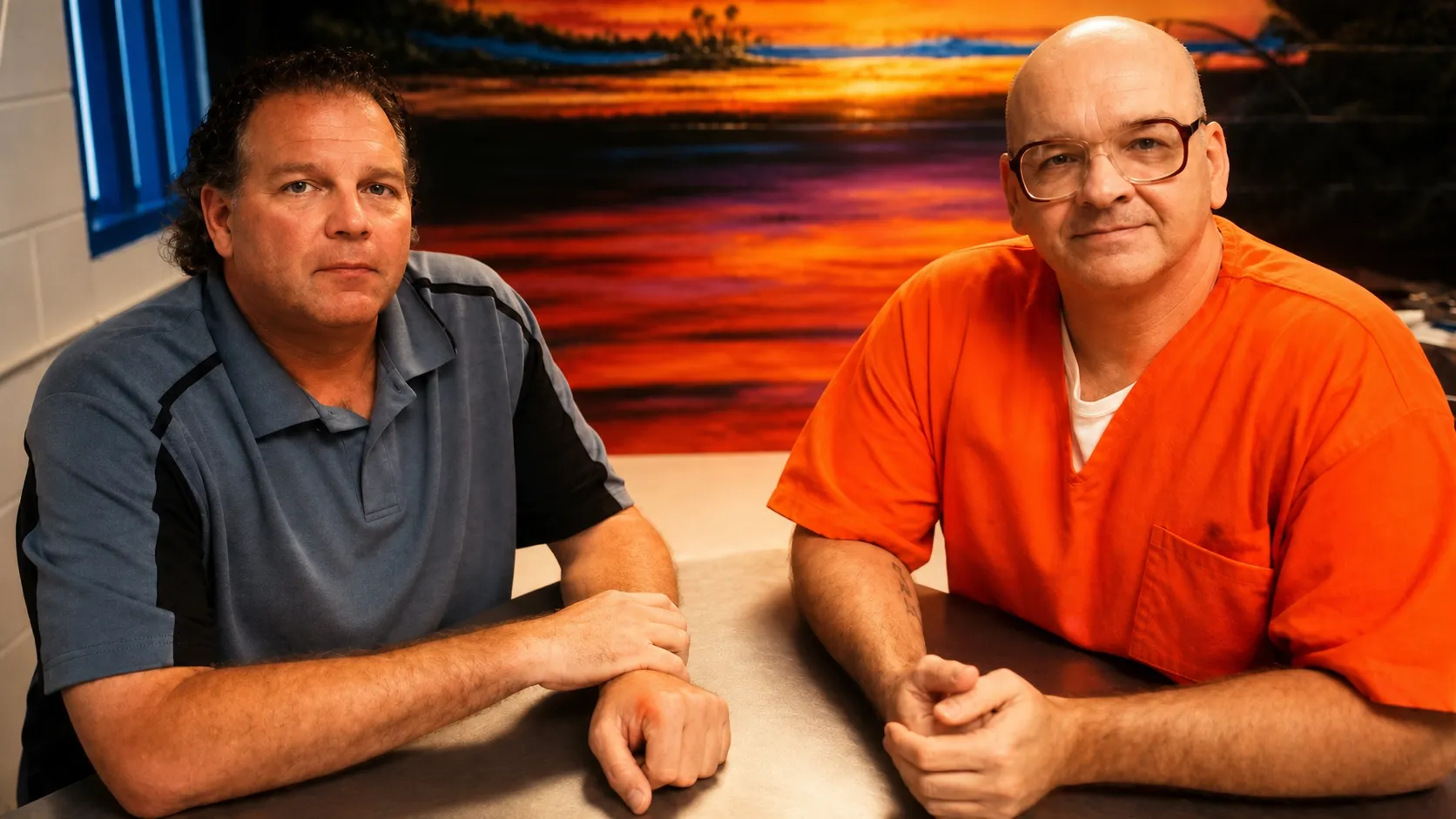
After spending years meeting hundreds of death row prisoners — and even sharing some of their so-called ‘final meals’ — psychologist Dr. Bill Kimberlin has opened up about whether he believes condemned inmates should be allowed a last request before execution.
Clinical psychologist Dr. Bill Kimberlin has interviewed and studied a number of notorious killers, including BTK murderer Dennis Rader and Samuel Little. He has also been present for several executions.
In most places where capital punishment is still carried out, prisoners are allowed to choose a final meal before they die. Texas is a notable exception, for reasons explained later. That tradition continues to spark debate, especially when the people receiving it have committed deeply disturbing crimes.
Although many people view the practice with fascination, the purpose of a last meal is not necessarily to provide comfort. It is often seen instead as a final gesture of humanity and order before the state carries out an execution.
Given Kimberlin’s extensive time spent on death row, he was asked whether he believes inmates should still be allowed that final choice.
“I’m not opposed to them having a last meal at all.
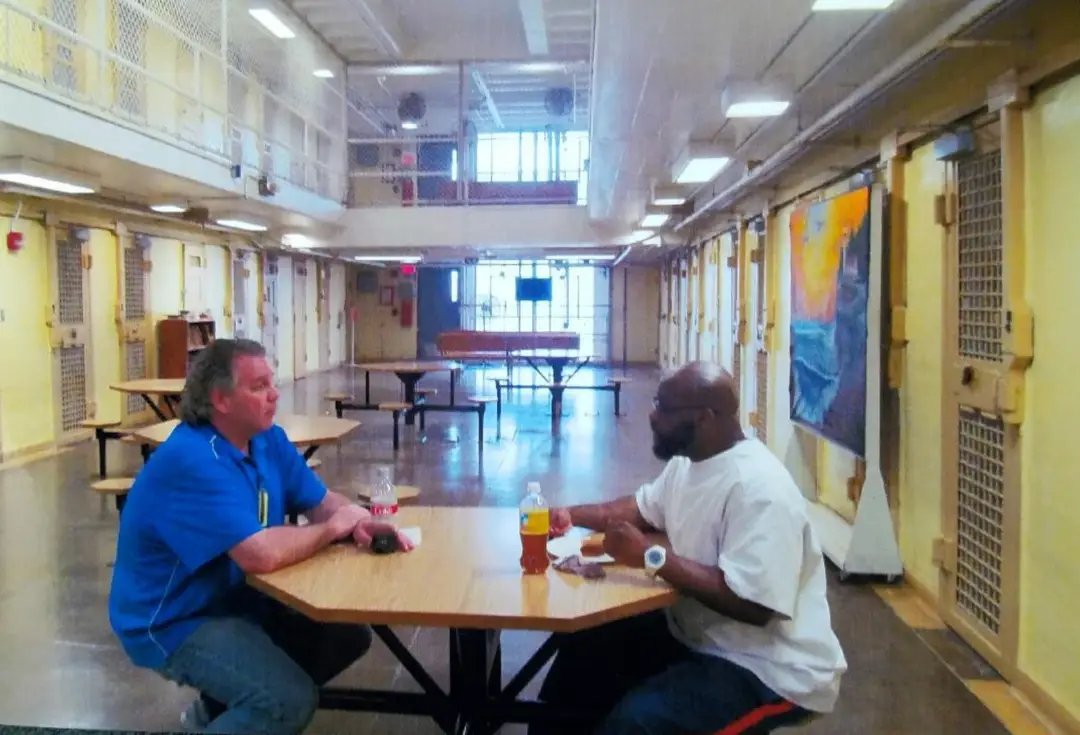
“I guess when you’re getting ready to administer the most lethal form of human punishment that you can by taking their life, what’s one last meal?”
At the same time, Kimberlin made clear that his view comes from a very different position than that of the families affected by these crimes.
“It’s easy for me to say that from the outside. These individuals, when I’m dealing with them, or working with them, have never done anything bad to me. They’ve never harmed myself, family, or friends.”
“So, I can’t speak for the victims’ families out there when they have suffered and had to endure so much,” he adds. “I’m certain they do not want this individual to enjoy anything, let alone a last meal.”
Across the United States, prisoners sentenced to death often spend years waiting for their executions, largely because of lengthy appeals, legal reviews, and post-conviction procedures. In recent years, the average time spent on death row by people who are ultimately executed has been close to 23 years, and in some states it is even longer.
Kimberlin says those long delays can be especially painful for victims’ loved ones.
“In this time, the families of the victim will never be able to start their closure or anything.
“They have to relive it constantly throughout the appeals and the whole process.
“I’m certain those that are affected by the crimes themselves have a much different opinion than I do.”
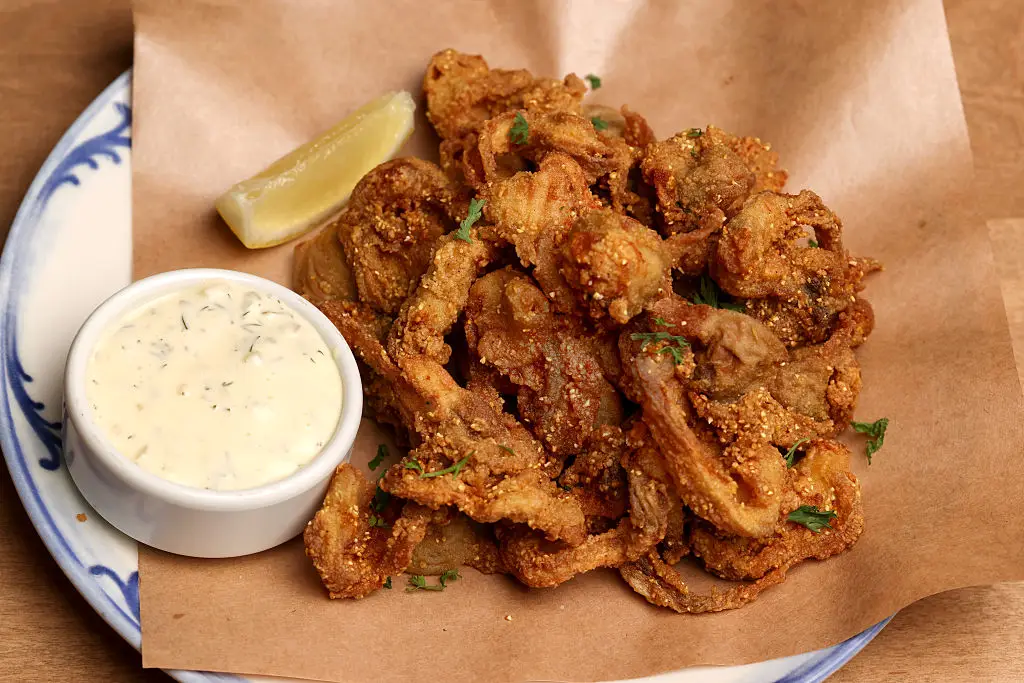
In most death penalty states, inmates can still request almost any final meal they want, though some jurisdictions place restrictions on what can be ordered.
Texas, however, no longer permits the tradition, and that change is tied to convicted white supremacist Lawrence Russell Brewer.
Brewer, who was imprisoned in the late 1990s alongside three other men for the murder of James Byrd Jr., reportedly ordered an enormous final meal. His request included chicken steaks, fried okra with ketchup, and a cheese omelette with ground beef, jalapenos and bell peppers.
That wasn’t all, as he also requested a ‘triple-meat bacon cheeseburger, three fajitas, one pound of barbecue and a half loaf of white bread, pizza meat lover’s special, one pint of ‘homemade vanilla’ Blue Bell ice cream, one slab of peanut butter fudge with crushed peanuts and three root beers’.
But when the food arrived ahead of his execution by lethal injection in September 2011, Brewer reportedly refused all of it and said he was not hungry.
Following that incident, Texas senator John Whitmire ended the practice of granting a ‘final meal’, and inmates in the state are still denied that option today. Texas death row prisoners are still given the same regular prison food served to other inmates on the day of execution, although they can make a last statement before they die.