

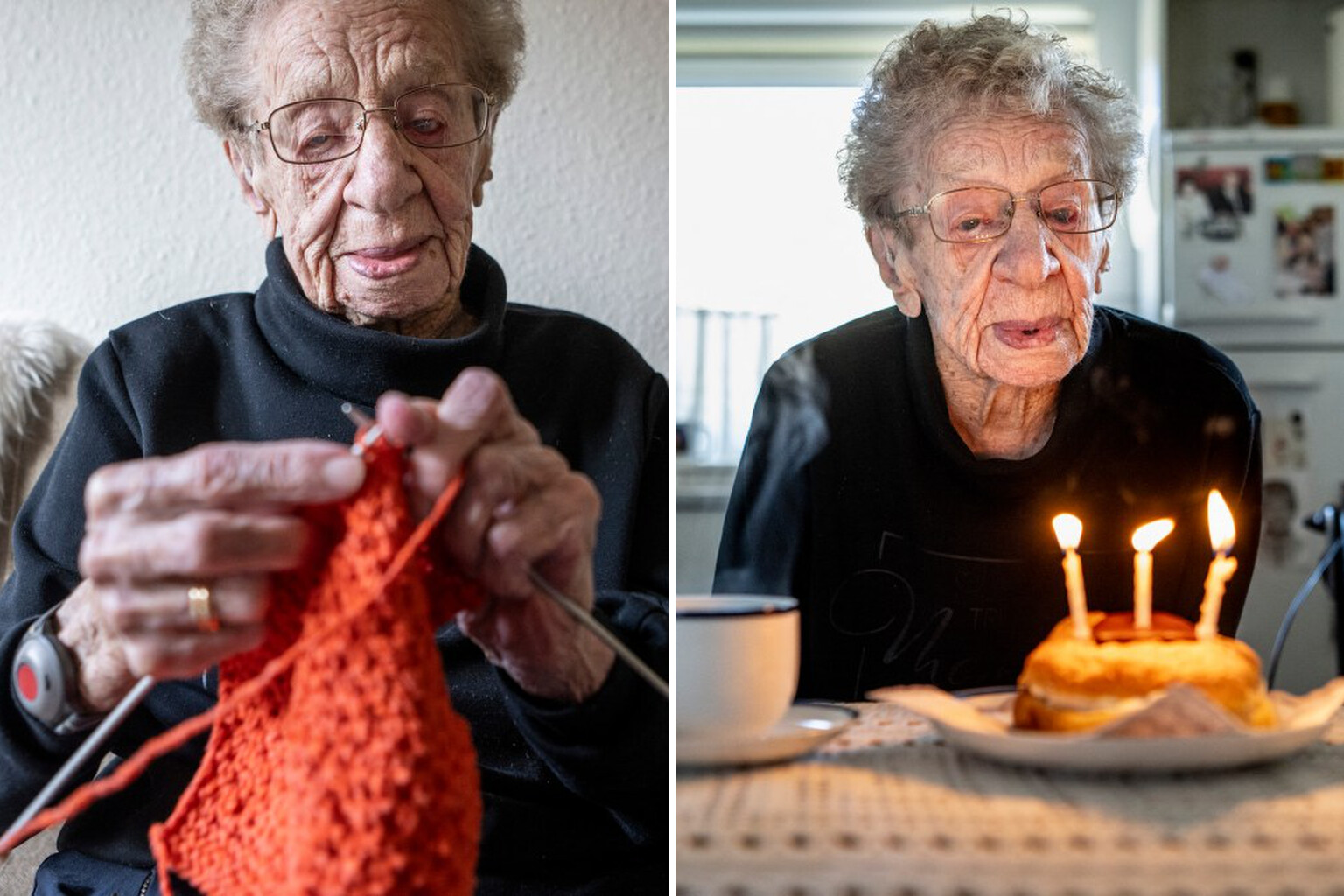
Kirsten Schwalbe’s family says she is “deeply affected” after historians exposed her hidden wartime leadership in Denmark’s Nazi party.
The 112-year-old, who became Denmark’s oldest-ever person last month, had spent decades denying any Nazi involvement before archival records surfaced showing she ran the local branch in Holstebro and its women’s group during the German occupation. Schwalbe reached the milestone age of 112 years and 218 days, surpassing all previous Danish longevity records and earning national celebration alongside her 104-year-old brother Bertel, part of what had been billed as the “world’s oldest siblings.”
“I barely knew what it was, because I’ve never been interested in politics,” Schwalbe told TV Midtvest in an interview conducted just two days after she claimed the age record. She initially denied ever holding Nazi sympathies despite membership records placing her in the Danish National Socialist Workers Party from August 1941 onward.
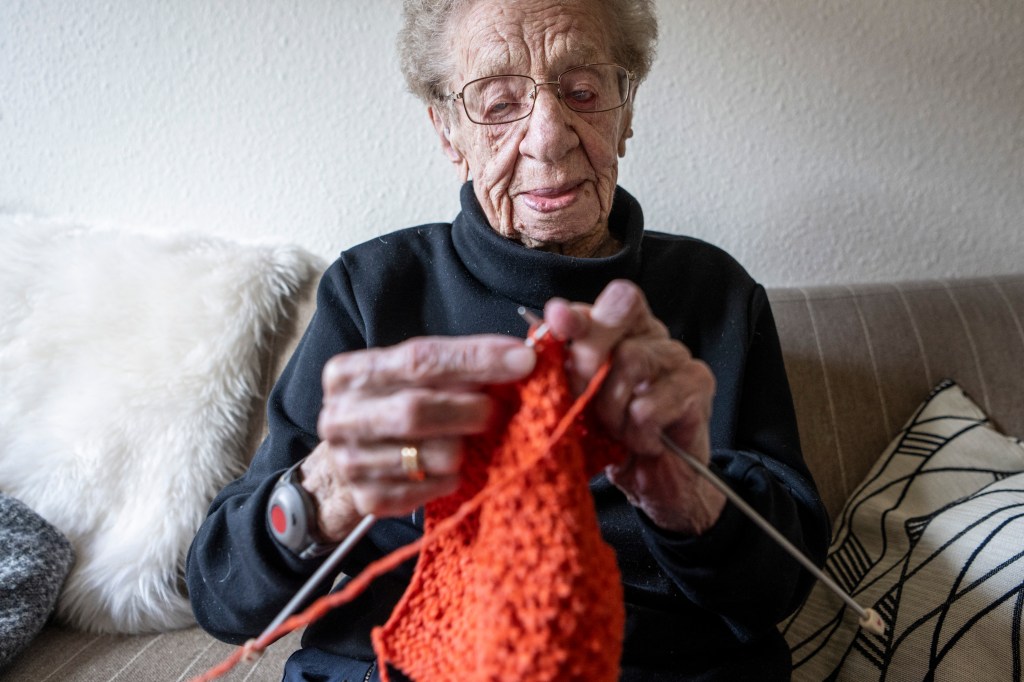
Newly examined documents in the Danish National Archives tell a different story. Danish historian Claus Bundgaard Christensen, who studied the papers, stated that Schwalbe served as acting group leader of the Holstebro branch from August 1943 through July 1944. “She was more than an ordinary member of the rank and file,” Christensen said, placing her among the “prominent Nazis” active in that region during the war years.
The Danish National Socialist Workers Party operated as a local mirror of its German counterpart, employing the swastika, the Hitler salute, and antisemitic ideology while actively collaborating with the Third Reich throughout Denmark’s occupation. Schwalbe’s late husband reportedly held his own leadership position within the same party structure, suggesting the household’s political commitment extended beyond her individual involvement.
The revelations emerged only after Schwalbe had already become a celebrated figure. A biography titled “We Need Something to Laugh About,” published to mark her remarkable life, contained no mention of her Nazi past. Danish newspaper Kristeligt Dagblad uncovered the archival evidence later last month, catching publisher Gyldendal Publishing and the book’s authors, Frederik Helms and Line Morell Holm, completely off guard. The publisher has since pledged additional research and promised to address the findings in future editions.
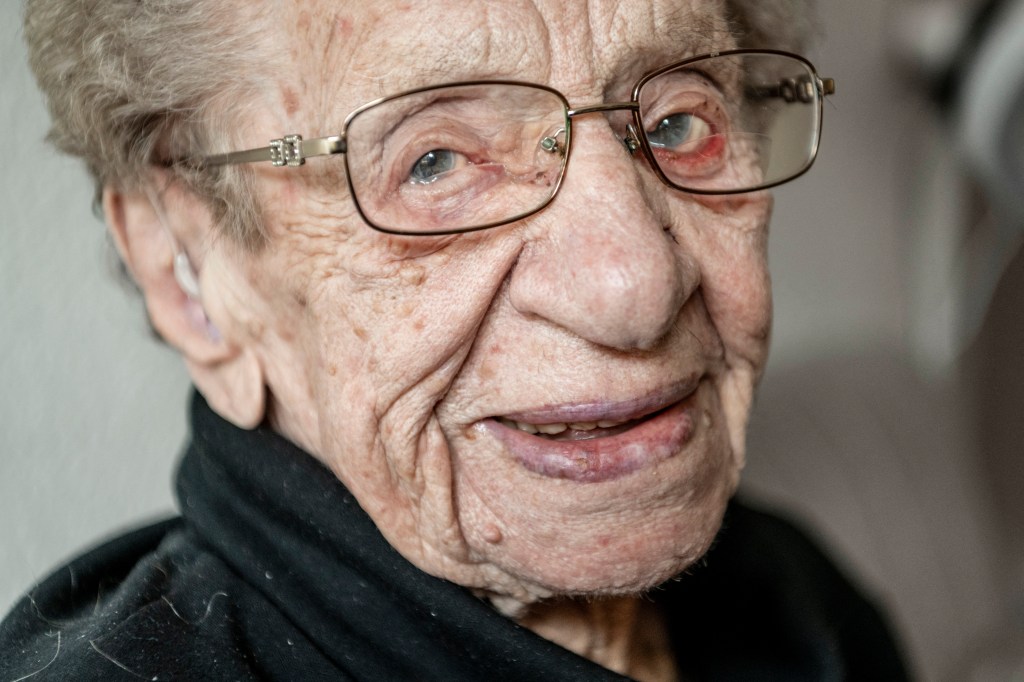
Before the scandal broke, Schwalbe had built a public persona around relentless optimism. “I don’t care that I’m going to die soon; I don’t think about it. I don’t often think about the future; I enjoy the good days and my good mood,” she told an interviewer on her 110th birthday, remarks reported by Bild. That cheerful philosophy helped make her a media darling and the subject of a major published biography, a narrative now complicated by the documented history she left unmentioned.
Her family, responding to the storm of coverage, stated she is “deeply affected” and declined any additional comment while requesting privacy.