

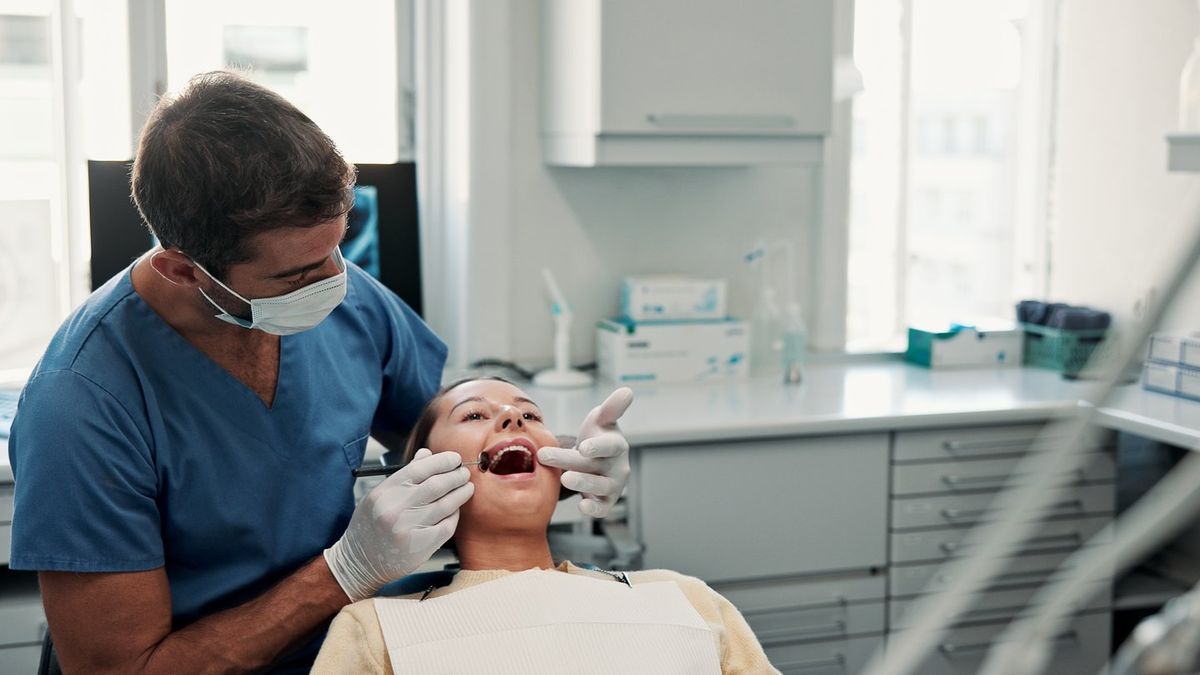
Injectable weight-loss drugs such as Ozempic may be transforming waistlines, but dentists say they could be creating unexpected problems for oral health.
Clinicians report more patients turning up with issues ranging from staining and sensitivity to lingering bad breath — a cluster of symptoms some are now calling ‘Ozempic teeth’.
Approximately 15 million American adults currently use GLP-1 medications (such as Ozempic, Wegovy, and Mounjaro).
Overall, roughly 12% of U.S. adults report having used these drugs to lose weight or treat conditions like diabetes and heart disease, making the U.S. the leader in the global anti-obesity drug boom.
In comments to the Daily Mail, cosmetic dentist Dr Affan Saghir stressed that it’s not that the medication is directly harming teeth — it’s the chain reaction it can set off in the body.
GLP‑1 medications like Ozempic are widely seen as safe and effective when prescribed properly.

But because they slow digestion and reduce appetite, they can also bring on side effects including acid reflux, vomiting, dehydration and dry mouth — and that combination is where dental trouble can begin.
When saliva levels drop, your mouth loses one of its most important protective systems.
Saliva helps safeguard enamel by carrying minerals such as calcium and fluoride. Without enough of it, teeth can become more prone to decay and breakdown.
Meanwhile, reflux or repeated vomiting can introduce stomach acid into the mouth, gradually eroding enamel and revealing the darker, more sensitive layers beneath.
As Dr Affan explains: “Ozempic teeth isn’t the drug directly attacking your teeth, it’s the environment it creates.”
He added that dehydration, shifts in diet and nausea can combine into a “perfect storm” for dental issues unless patients take steps to protect their teeth and gums.
Dr Affan shared the ways that you can make sure you don’t get Ozempic Teeth.
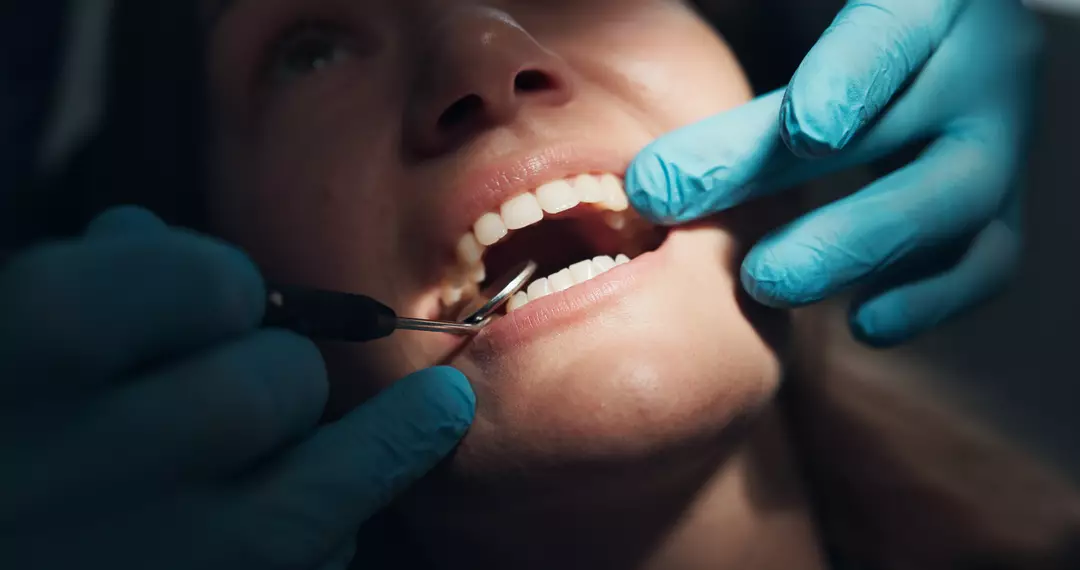
To start, don’t keep your prescription to yourself.
Your dentist may not label it ‘Ozempic teeth’ on the spot, but they can pick up early signs such as enamel wear, sensitivity and gum irritation.
“Patients should feel able to tell their dentist what they’re taking,” says Dr Affan. “We’re here to help, not judge.”

Because these injections can dull appetite cues, some people end up eating and drinking less than they realise.
Not getting enough fluids can worsen dry mouth, which in turn raises the risk of cavities and unpleasant breath.
Sipping water regularly across the day can help keep tissues hydrated and support saliva’s protective role.

Good brushing habits still matter — and so does what you do immediately afterwards.
Dr Affan advises spitting out toothpaste once you’re done, rather than rinsing straight away.
Rinsing can wash off fluoride too quickly, reducing its ability to strengthen enamel and help reverse early damage.
If nausea or vomiting happens, try not to brush immediately.
Stomach acid can soften enamel for a short period, and brushing right away may increase wear.
Instead, rinse with water first, then wait about an hour before brushing.

One surprisingly helpful option is sugar-free gum.
Chewing increases saliva flow, which can help neutralise acids, protect enamel and support minor repair.
It also offers a straightforward way to tackle dry mouth while improving breath.

And while diet fizzy drinks, protein shakes and fruit juices can feel like “better” choices, many are still highly acidic.
Frequent sipping exposes teeth to repeated acid attacks, gradually wearing enamel down.
Dentists recommend prioritising water between meals and limiting acidic drinks where possible.
If you notice symptoms such as sensitivity, yellowing, bleeding gums or persistent bad breath after starting weight-loss medication, take it seriously.
“The earlier we catch it, the easier it is to manage,” Dr Affan says.
A prompt dental check-up could reduce the risk of lasting damage and help keep your smile healthy.
Novo Nordisk have been approached for comment