

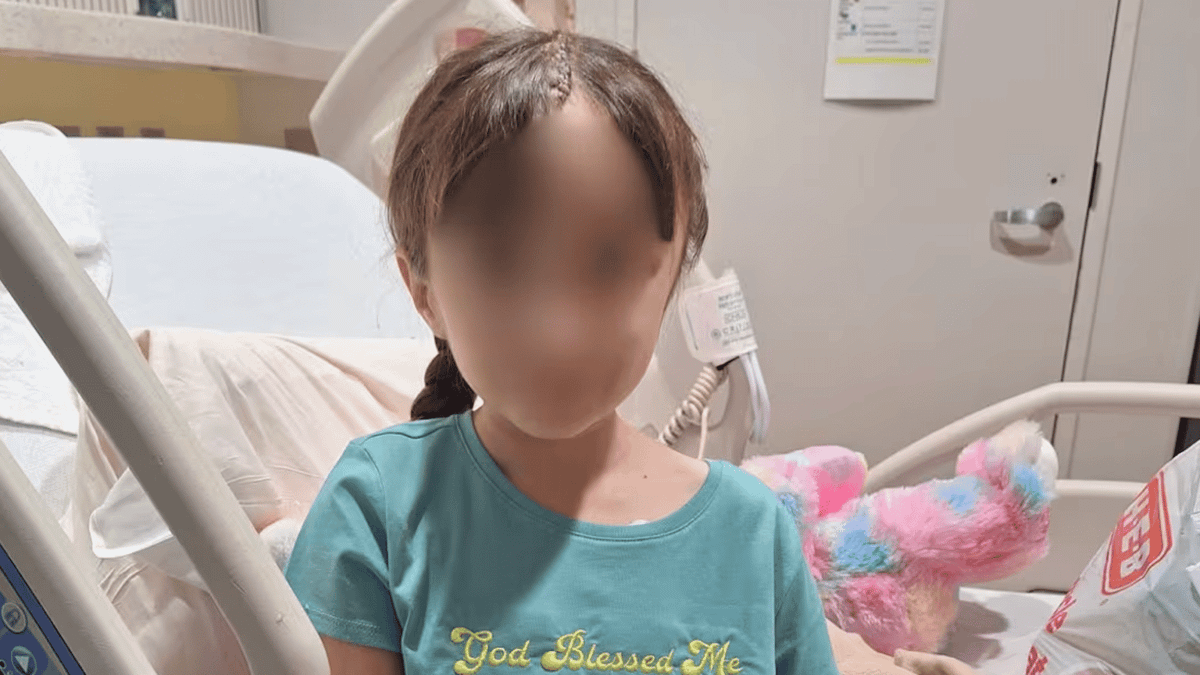
One year after an 11-year-old U.S. Citizen had her brain-tumor treatment interrupted when her parents were deported to Mexico, her mother has now been refused a humanitarian request to re-enter the United States.
The child travelled to Mexico with her parents and four siblings. At the time, she was in the middle of critical treatment for an extremely rare tumor—one so uncommon that doctors are still researching it.
Her medical crisis began in 2024, when she underwent emergency surgery to remove the tumor. Following the operation, she continued receiving ongoing care that her family says was essential to her recovery.
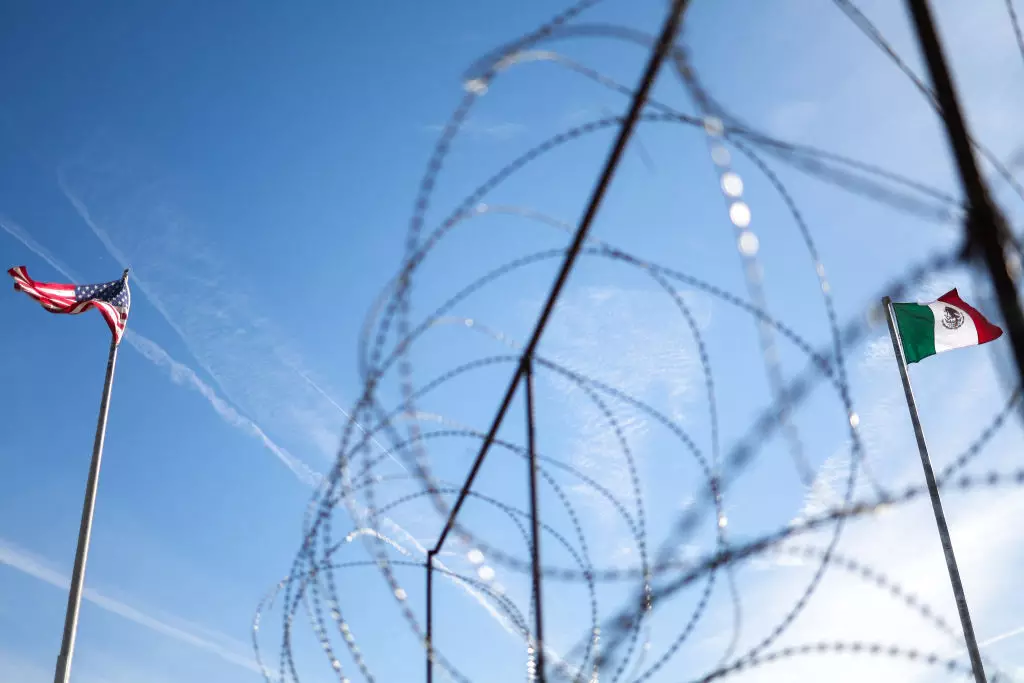
In February 2025, the family was detained near the Rio Grande Valley in Texas while en route to take their daughter to the hospital. They were transported to Mexico the next day.
With limited access to the specialized care she requires in Mexico, her health has worsened. Her mother said that last month the girl suffered a seizure so severe she fell and was left with bruising.
Reports said it is not publishing the names of the mother or daughter due to safety concerns.
“Instead of improving, my daughter’s health is actually regressing,” the mother said. She said her daughter experiences spasms, particularly affecting an arm that is partially paralysed.
According to the mother, specialists in the U.S. Informed her that test results indicate her daughter’s brain is not regenerating—raising concerns about an increased likelihood of the tumor returning.
NBC News also reported that the mother, father, and one sibling who is not a U.S. Citizen received letters denying permission to enter the country, without an explanation. The outlet noted that such letters typically do not provide reasons.
A spokesperson for U.S. Citizenship and Immigration Services, the agency that handles humanitarian parole applications, told the outlet that “ICE has jurisdiction” over parole decisions involving people who have previously been deported.

“As a parent, I want to move heaven and earth to help her,” the mother said. “But receiving the news that it couldn’t be done, that everything had been denied, and on top of that, getting the news that my daughter wasn’t doing well… It was even more stressful.”
The 11-year-old also spoke in Spanish through the outlet, saying: “My head hurts so much, my foot, my hand. I want to heal.”
While in the U.S., the child had been supported by therapists. Her mother said the progress her daughter had made—particularly with forming sentences and memory—has ‘been lost’.
The mother added that her daughter has not been medically cleared to fly. She also said it has been difficult to secure appropriate care in Mexico, as providers may be hesitant to take on the case given its complexity and the need to fully understand the girl’s medical history.
Only a small number of specialists are believed to have the expertise to treat and monitor her condition, and a group studying the rare tumor has been involved in efforts to better understand it.
The Texas Civil Rights Project has been assisting the family. Attorney Danny Woodward told the outlet the family may reapply for humanitarian parole later, though he warned the process is expensive.