

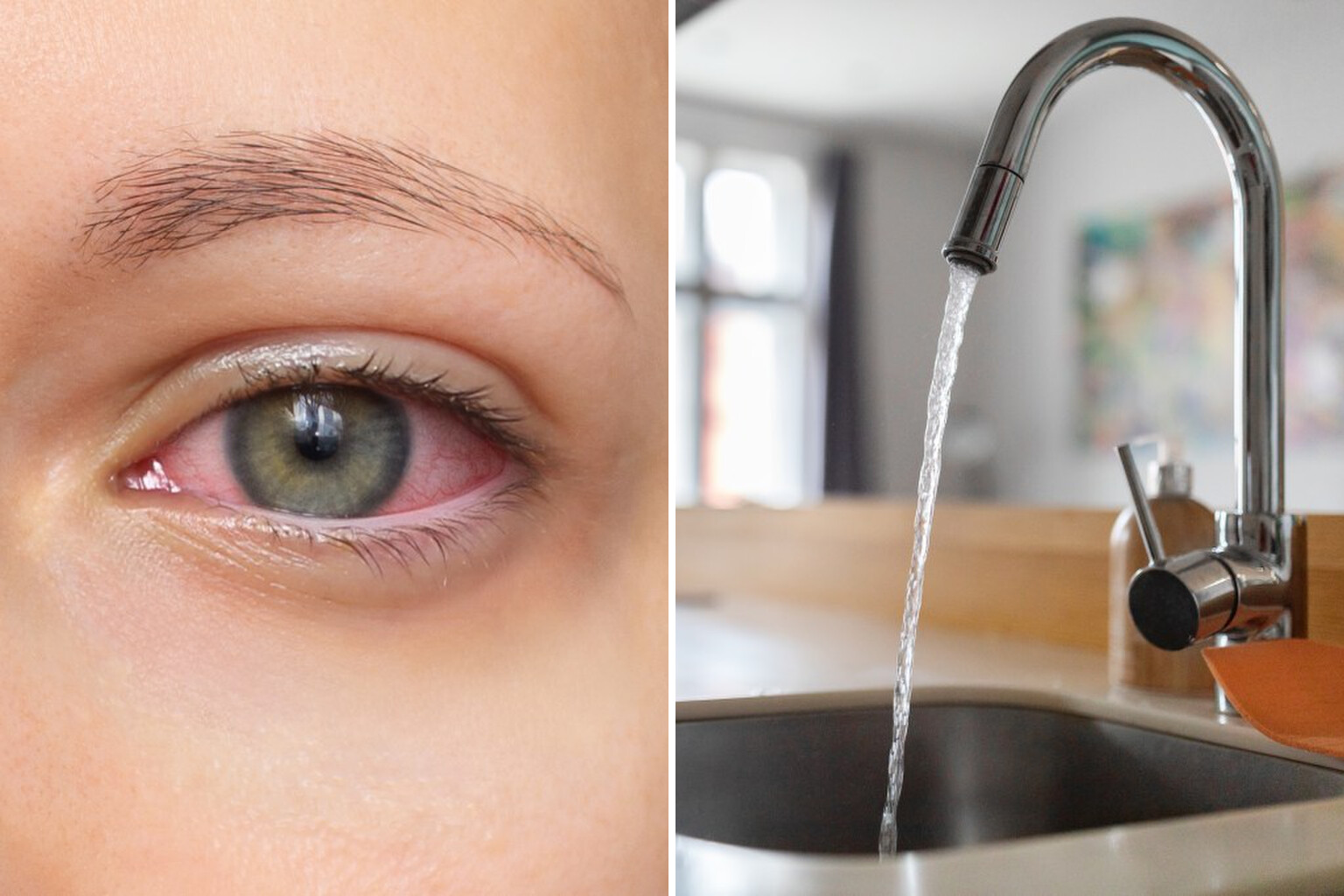
Louisiana health officials issued an urgent warning this week after a microscopic amoeba in tap water was tied to five cases of permanent blindness and one death across the state.
Since 2024, authorities have identified 10 cases of Acanthamoeba-related illness in Louisiana, state epidemiologist Theresa Sokol announced. Eight of those patients developed Acanthamoeba keratitis, a cornea infection that can strike even otherwise healthy people and lead to irreversible vision loss. Seven of the eye-infection patients wore contact lenses, and five were left permanently blind.

“Although these infections are rare, they can have devastating consequences,” Sokol said in a press release.
The microscopic organism lurks in soil, dust and water, including tap water flowing from household faucets. Most people encounter the bug without ever getting sick, according to the Centers for Disease Control and Prevention. For those who do fall ill, the entry point determines the severity, with outcomes spanning painful eye problems to potentially fatal brain disease.
Two Louisiana patients developed especially severe forms of the illness, one in the sinuses and one in the brain. The brain infection proved fatal. Both patients had weakened immune systems and reported using tap water in nasal irrigation devices meant to flush the sinuses. State health officials noted that while reported tap water use does not establish it as the confirmed source, it highlights the need for safer water practices.
“Using the right water for nasal rinsing, following proper contact lens hygiene and taking precautions with medical devices can help reduce the risk,” Sokol added.
The amoeba can enter through cuts, inhalation into the nose or lungs, or through the eyes, particularly when contact lenses meet contaminated water. Drinking tap water does not pose an infection risk.
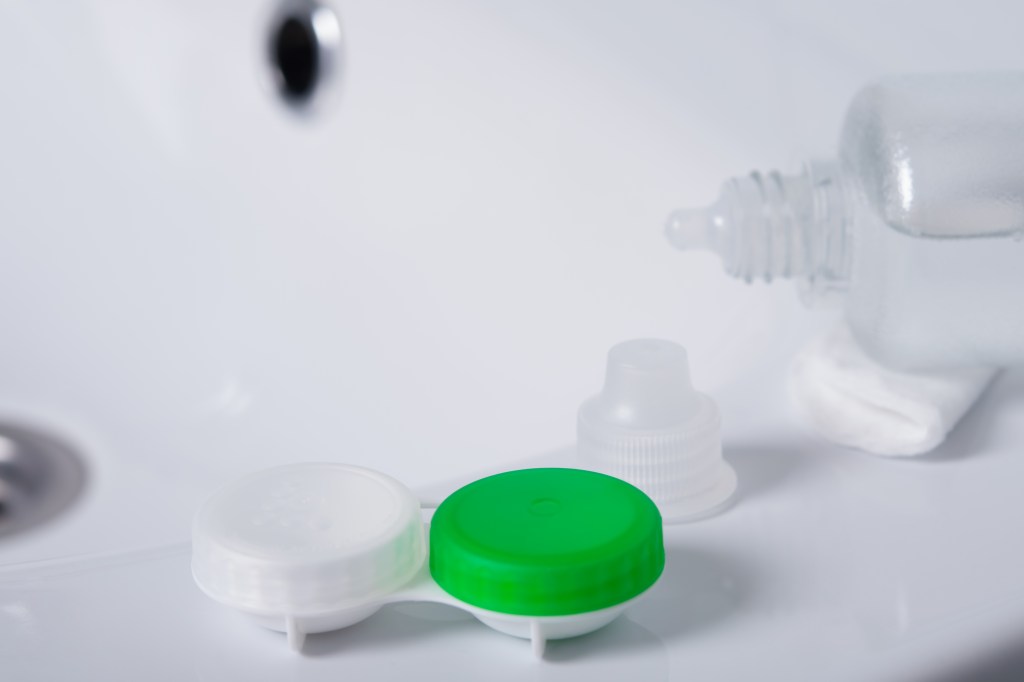
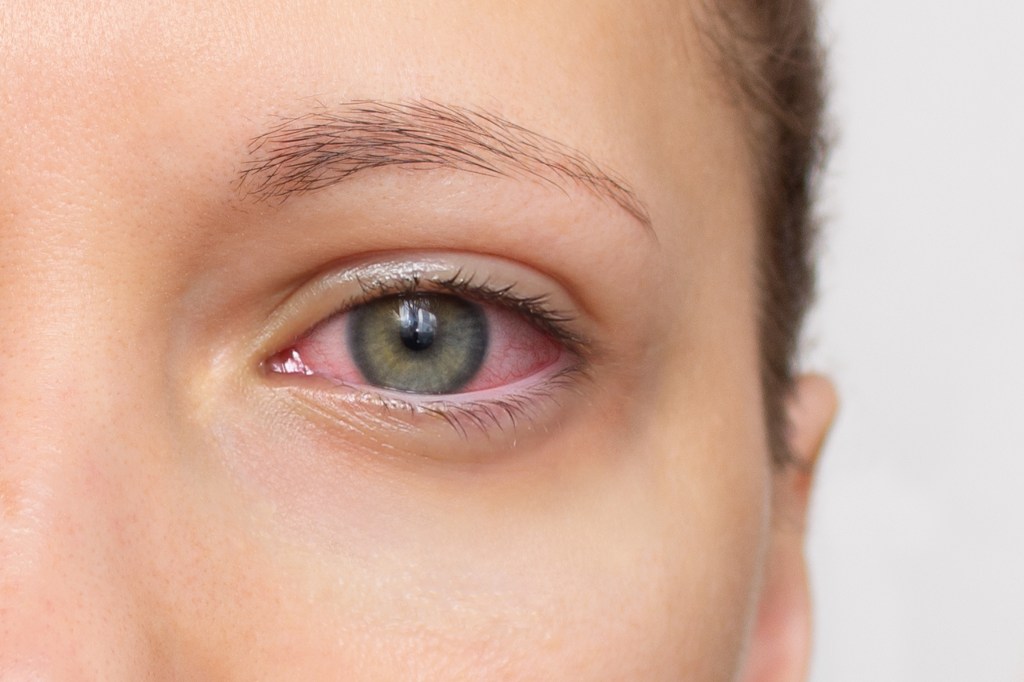
The Cleveland Clinic estimates roughly 1,500 cases of Acanthamoeba keratitis are diagnosed nationwide annually. Symptoms include eye pain, redness, blurred vision, light sensitivity, excessive tearing and the sensation of something stuck in the eye. Doctors typically prescribe antiseptic eye drops such as chlorhexidine and polihexanide to target the amoeba and relieve symptoms.
About 40% of cases fail to respond adequately to eye drops alone and may require surgery. Treatment outcomes improve significantly when started before the disease spreads beyond the cornea’s second layer, generally within three weeks of first symptoms.
Acanthamoeba cases affecting body parts beyond the eye are far rarer but considerably more dangerous. The CDC recorded 208 such US cases between 1955 and 2025, including 14 in New York, with the national annual count typically ranging from zero to 12. People with compromised immune systems face particular vulnerability to these severe forms, which can attack the skin, sinuses and brain.
Symptoms are not always easily recognizable, and many patients are initially misdiagnosed. Health officials urge anyone with a weakened immune system who experiences seizures, confusion, headaches, weakness, fever, sinus problems, vision changes or unusual skin symptoms to seek immediate medical attention. Skin and sinus cases can often be treated when caught early, but the amoeba becomes harder to fight as it spreads.
The most feared complication is granulomatous amebic encephalitis, a rare condition in which the organism attacks the brain.
Louisiana officials continue monitoring for additional cases as they emphasize preventive measures to residents.