


A man has spoken candidly about living with a clinical diagnosis of psychopathy and the way he believes his mind operates.
Loic De Marie was evaluated at 23 and diagnosed as a psychopath. Long before that, his mother sensed something was off after an incident when he was six: his younger sister fell into a pool and he hesitated to help because he didn’t want to ruin his clothes.
Healthline notes that psychopathy isn’t recognized as a standalone clinical diagnosis in the US, but the label is often used to describe traits associated with antisocial personality disorder, such as limited empathy and a lack of remorse.
Now, Loic has been revisiting the early signs he remembers from childhood during an interview on LADbible Stories’ Minutes With.
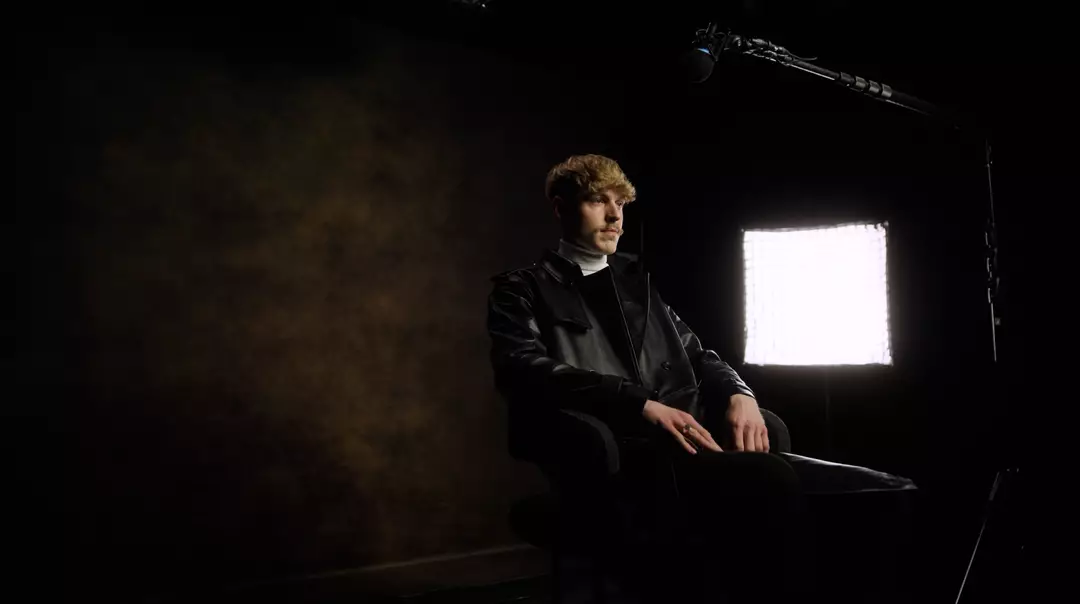
Born in Waterloo, Belgium, he describes his early years as stable and pleasant, growing up in a middle-class household with a mother he says was “really empathetic and protective”.
That changed when he was seven and his parents separated. He says the breakup was particularly difficult for his mother, and that alcohol became a major factor in the home in the years that followed.
“My mom was drinking from when I was between 8 and 16,” he says. “She was aggressive, she was absent sometimes, and it had an impact on me.
“She was saying to me that I’m not her son anymore,” he recalls.
Loic says psychopathy can fundamentally reshape a person. While he believes genetics mean psychopaths are “born this way”, he also argues that his upbringing didn’t improve the situation and may have compounded existing traits.
When he reflects on childhood moments that stand out, he returns to the pool incident involving his sister—something he acknowledges many people will find disturbing.
“She fell into the swimming pool and I looked at her and this is something that’s gonna shock some people because I was looking at her and I didn’t jump into the pool. You know why? Because at the time, the only thing that matters to me was my clothes,” he recalls.
He says his mother ran outside in panic, demanding to know why he hadn’t jumped in, and he replied: “Mum, my clothes are clean.”
“What the f**k is wrong with this kid?” she screamed, which he says was the first moment she understood he wasn’t reacting like other children.
While Loic says outsiders might label him a “f*****g demon” for hesitating, he insists it wasn’t driven by deliberate cruelty. He says he didn’t fully grasp the gravity of the situation and describes it instead as an absence of empathy. “That was just feeling unempathetic to my little sister,” he says.
He also says he was sent to see a child psychologist when he was younger. Around the same period, he recalls learning that a classmate had died in a car crash—an event that left the classroom in tears.
According to Loic, while other students and even the teacher cried openly, his immediate internal reaction was confusion: “What the f**k is happening to them?”
Now 26, he describes that day as the first time he recognized his emotional responses didn’t match those of the people around him.
“One teacher looked at me in the eyes, and I’m never gonna forget this look, because that’s the first time I understood that I was not like others,” he says.