

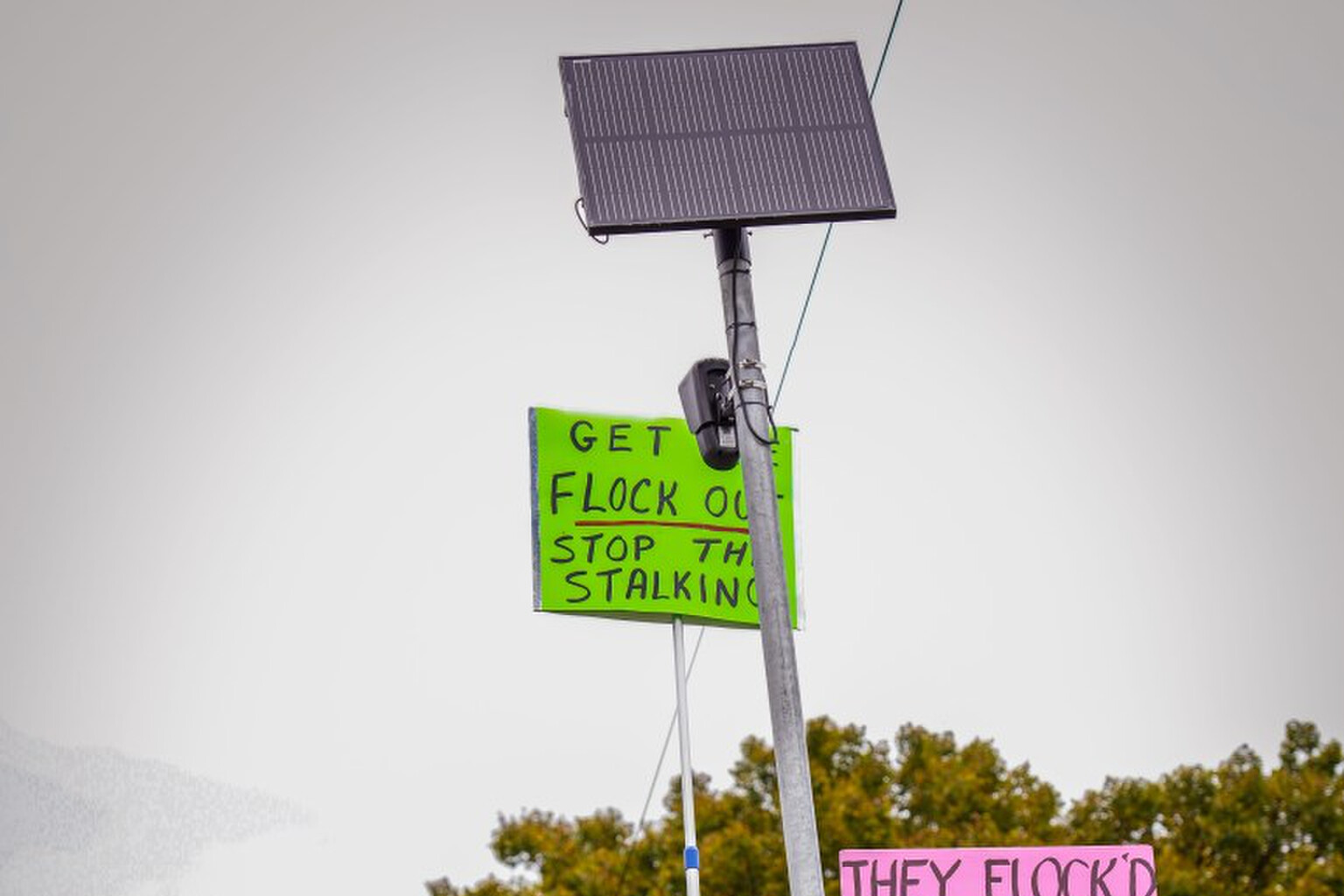
Trevor Chandler, a senior director at Flock Safety, admitted under legislative questioning that police in states with abortion bans can use the company’s license-plate database to search for women suspected of seeking reproductive care across state lines.
Chandler made the disclosure earlier this month during a presentation to Suffolk County lawmakers on Long Island, where he conceded that the cameras can help “reconstruct” people’s movements. He stressed that New York has opted out of such searches. “Every agency that utilizes Flock in New York has our reproductive-health search filter turned on,” he told legislators. “This prevents any searches related to reproductive health to make sure that no searches are made out of compliance with state law.”
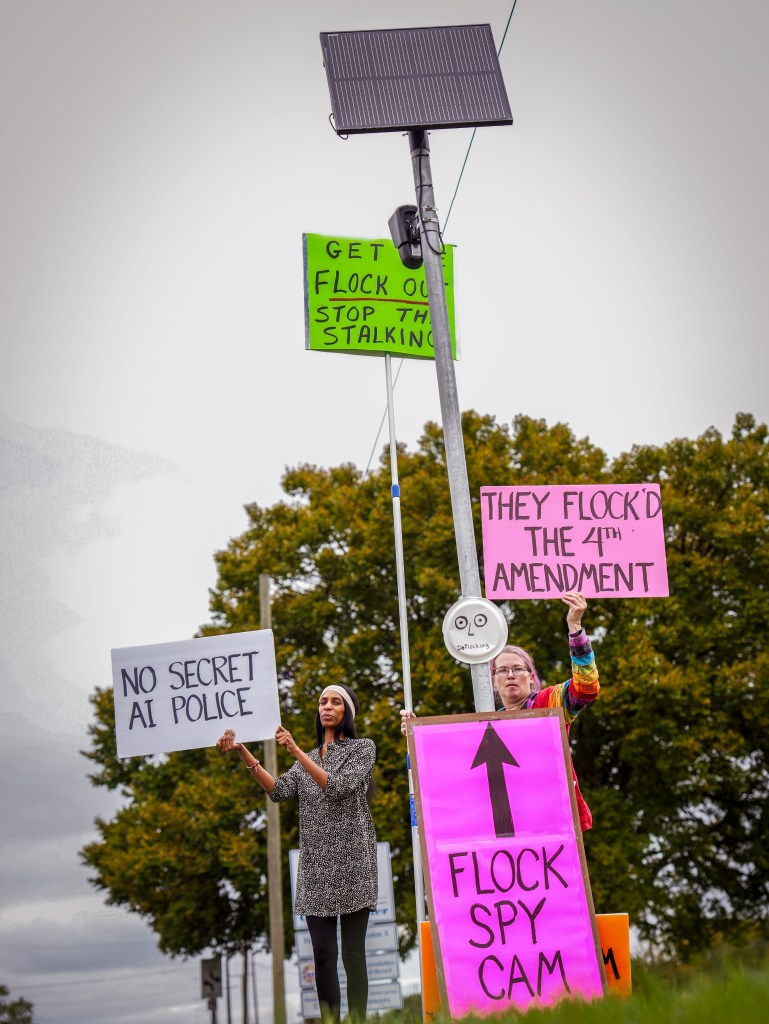
The company followed up with a statement noting that “certain states have enacted laws restricting the use of [license-plate-reader] data in connection with immigration enforcement or reproductive health investigations.” In states without such protections, however, police departments can potentially pinpoint people seeking abortions through simple license-plate searches. Departments can also share Flock data with other police agencies nationwide, meaning officers in states with bans could track women who cross state lines to obtain legal abortions elsewhere. No warrant is currently required to access the database.
The admission carries fresh weight given a contested case from Texas that erupted in June 2025. Flock Safety had publicly rejected a 404 Media report that the Johnson County Sheriff’s Office searched its database of more than 83,000 automatic license-plate reader cameras to target people seeking reproductive healthcare, calling the claim “misleading” and “unequivocally false.” Both the company and the sheriff’s office maintained the searches stemmed primarily from a missing persons investigation after a woman’s family reported she had self-administered an abortion and disappeared.
Court documents and police records obtained by the Electronic Frontier Foundation, a California-based digital privacy watchdog, tell a more complicated story. In a sworn affidavit, the lead detective described the case as a “death investigation” of a “non-viable fetus,” according to EFF. Deputies collected photos of the abortion and the envelope the pills arrived in, reviewed the woman’s text messages, and asked the local district attorney whether she could be charged. She ultimately faced no charges.
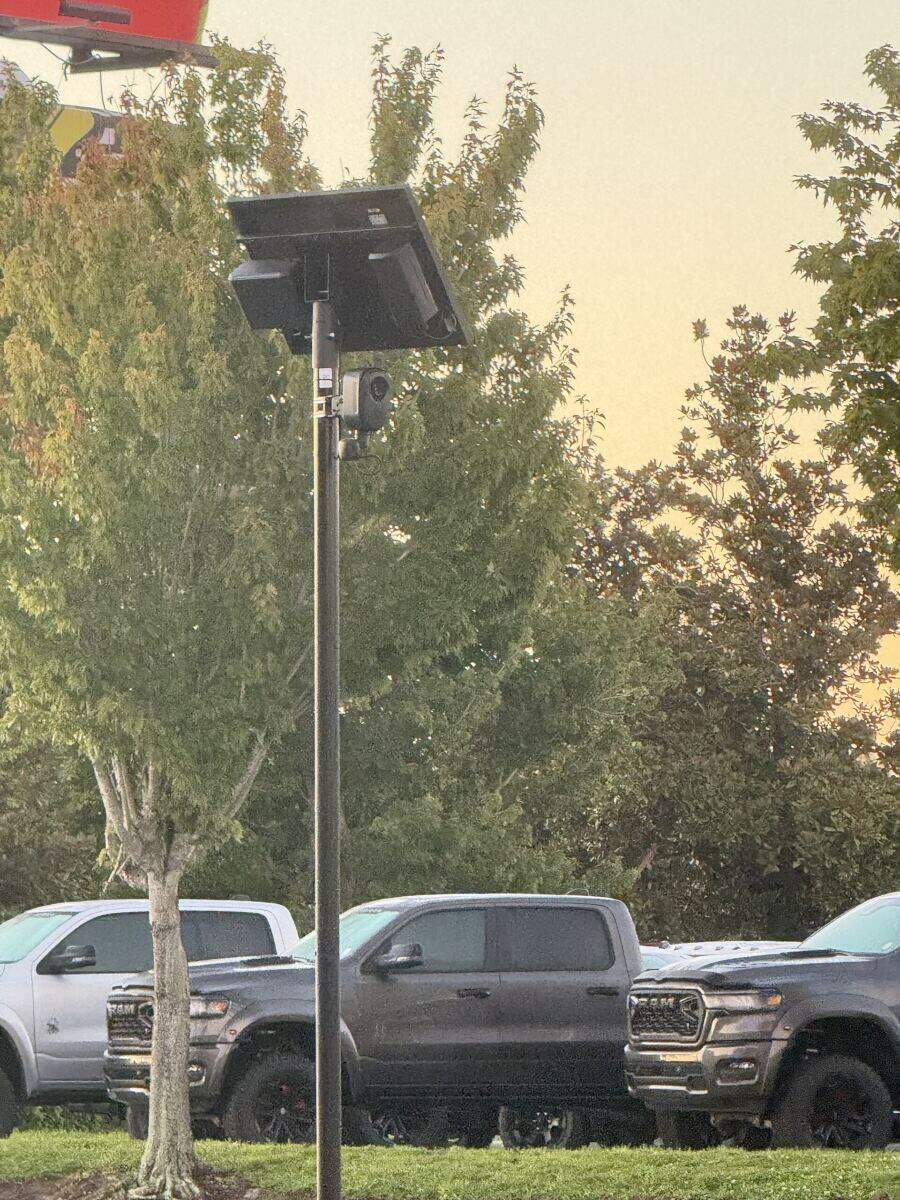
Chandler told The Post that the reproductive-health filter functions more as a logged reason for police searches rather than an automatic flagging system. The system does not independently identify or track people it believes may have sought an abortion, he said.
The Texas case triggered a cascade of official responses. Illinois’ secretary of state urged the state’s attorney general to investigate, and Democrats on the House Oversight Committee opened their own probe into what they characterized as invasive surveillance. Some states with abortion bans have attempted to block female residents from crossing state lines to obtain the procedure.
Johnson County Sheriff Adam King has since been indicted on felony charges in an unrelated case, including aggravated perjury for allegedly lying to a grand jury, according to EFF records.
Flock Safety’s acknowledgment that its system is technically capable of reproductive-health searches has sharpened scrutiny from activists who argue it may contradict the company’s earlier denials about the Texas incident. The gap between capability and stated policy remains a live concern as lawmakers in multiple states weigh further restrictions on license-plate reader data.