

Smithsonian researchers say DNA from Thomas Jefferson’s own hair has yielded what they call extraordinary proof that he fathered children with Sally Hemings.
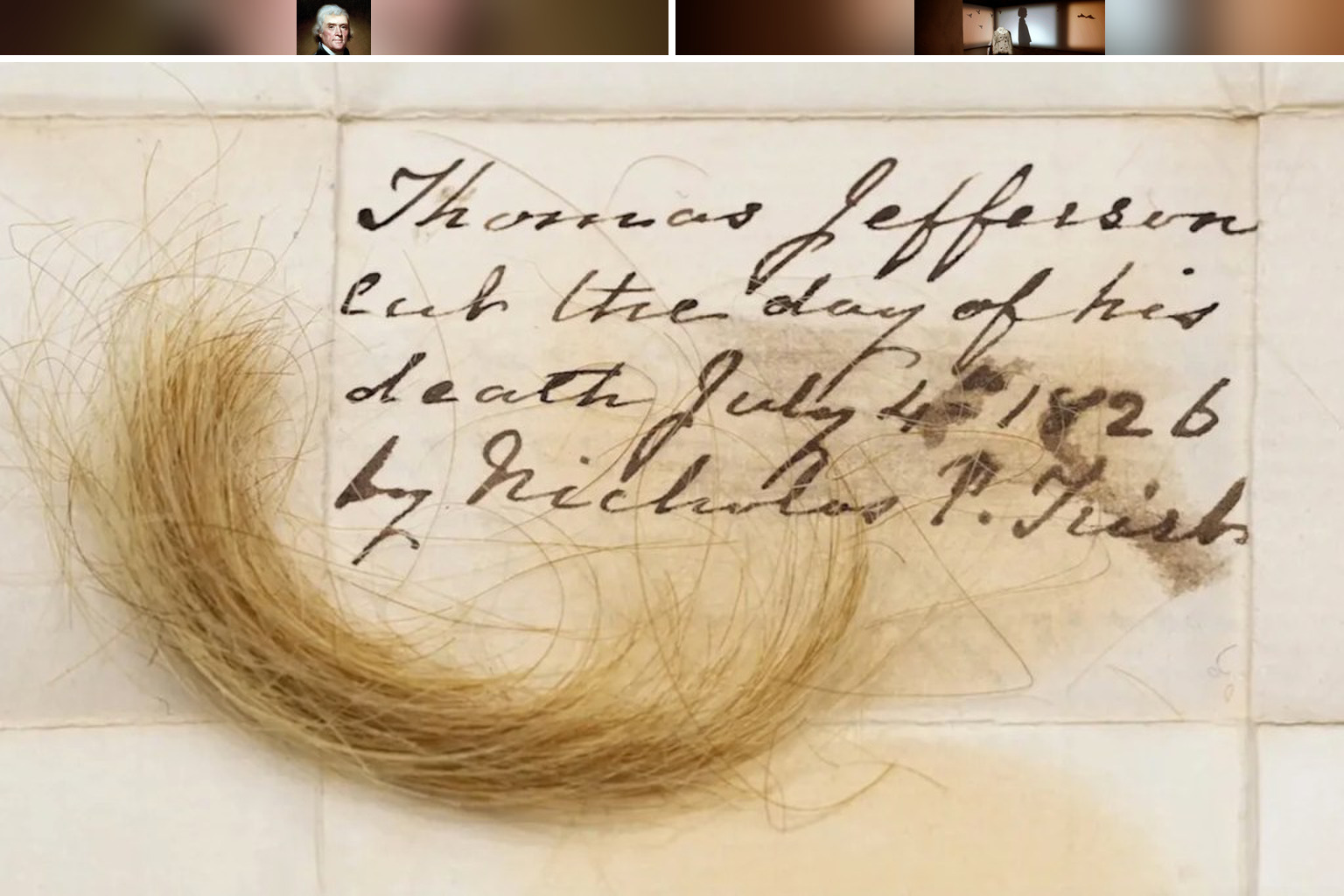
The project, led by Smithsonian scholar Richard Kurin, 72, spent 15 years sequencing the third president’s entire genome from a few strands found tucked inside a personal Bible and a lock clipped at his 1826 deathbed at Monticello. The team compared that genome against samples from 13 living people believed to descend from Jefferson and Hemings, finding the odds against his paternity of her sons Madison and Eston were less than one in 1,000.
Biologists also ran 20,000 simulations pitting Jefferson against his brother Randolph, long considered the most likely alternative father for Hemings’ children, and Randolph’s sons. The results pointed decisively to the president himself.
“Other people may have other ideas, and I don’t think there’s necessarily an institution position, but I think it’s compelling. It’s very clear,” Kurin said of the findings while promoting his new book on the project.
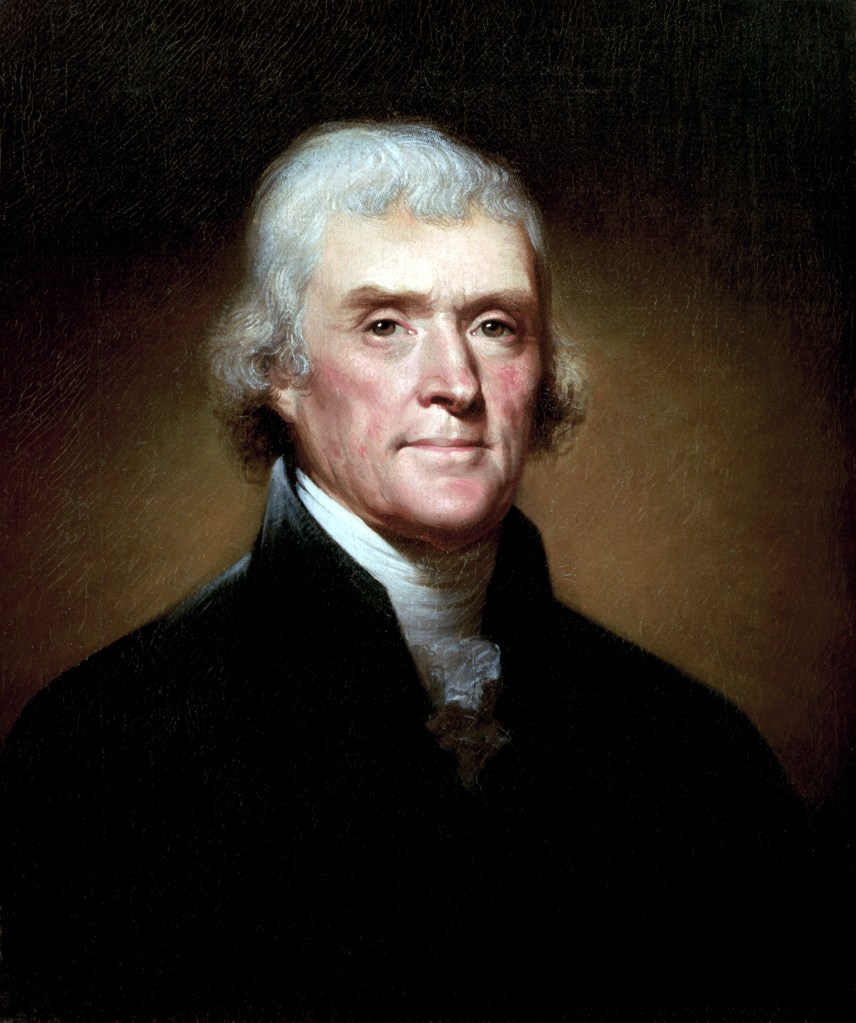
Kurin traced the controversy back to the nation’s earliest political feuds. “This is a topic of interest to the American people. I didn’t invent this question, and it wasn’t invented by the Smithsonian. It goes back to [Alexander] Hamilton and Jefferson and [John] Adams,” he said, naming fellow Founding Fathers who clashed publicly. “If we have evidence, scholarship and science that helps elucidate American history, I think we have a duty to pursue it.”
The techniques pioneered on Jefferson’s hair have since migrated into modern criminal investigations. The same genomic sequencing approaches helped solve Long Island’s Gilgo Beach murders and identify the Golden State Killer through family genealogy databases and discarded DNA samples — Heuermann from a pizza crust, DeAngelo from distant relatives’ uploaded profiles.
“It’s hard to say we ever would have gotten to this place, where all these tools were used to convict the Gilgo Beach serial killer, if it hadn’t been for starting this project,” said Beth Shapiro, an ancient DNA expert at the University of California, Santa Cruz.
The Jefferson gene project began in 2011 when Kurin was previewing a Smithsonian documentary about the president’s handmade Bible, created by cutting and pasting passages of Jesus’ moral teachings into a new volume. Searching for blood traces on those pages, Kurin instead found three hairs. Those strands failed to match a female-line descendant of Jefferson’s mother, sending investigators toward the authenticated deathbed lock that unlocked the full genome.
David Miller, a sixth-generation Jefferson descendant whose mother Sarah Coachman Miller gave a DNA sample before her death, said the results confirmed his family’s long-held belief. Through the project, Miller connected with his “cousins,” the Hemings descendants.
“It’s positive the family now hopefully gets the recognition and acknowledgement and acceptance they deserve,” he said.
The study has faced pushback from within its own participant pool. This month, one Hemings descendant who provided DNA in 2015 withdrew over frustration that Kurin’s book was appearing before related scientific journal publication. The Smithsonian confirmed her sample and data were destroyed, with analysis rerun without her contribution.
Speculation that Jefferson fathered children with Hemings, who was enslaved at Monticello and was herself the half-sister of Jefferson’s wife Martha, has circulated since the early 19th century. Contemporary newspaper articles and political attacks accused Jefferson of the relationship during his lifetime, though defenders long attributed any children to Randolph or his sons. The new genomic evidence directly tests those alternative theories through large-scale simulation.
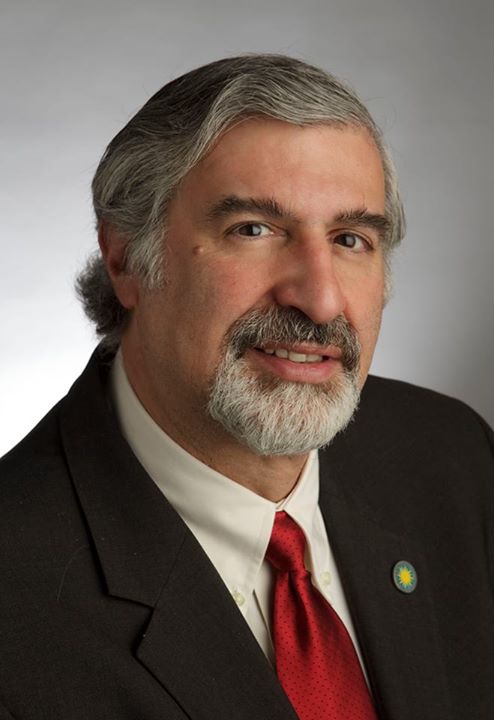
Kurin’s book presenting the findings arrives ahead of formal peer-reviewed publication, a sequencing choice that has generated some scholarly tension.