

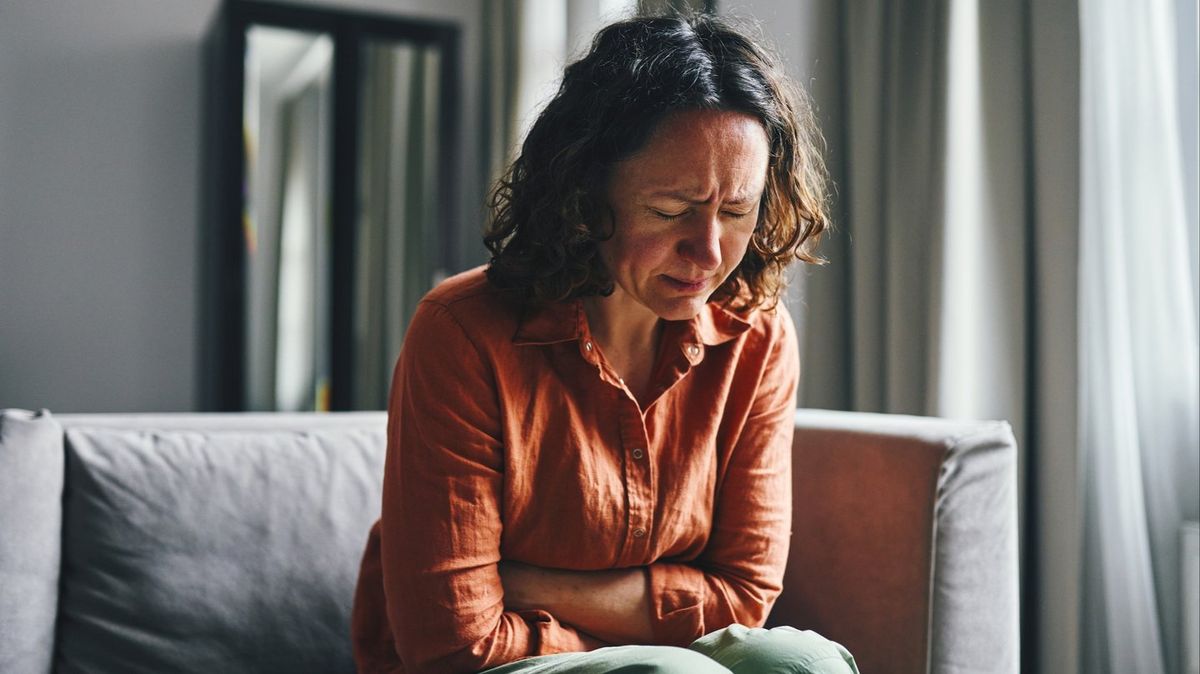
Trying to dodge stress can feel impossible and, in many cases, fixating on everything you have going on only makes things worse for your mental wellbeing. The problem is, that strain may also be taking a toll physically.
That run-down, on-edge feeling isn’t only “in your head”. When you’re under pressure, your body can switch into fight-or-flight mode, pumping out stress hormones. If that surge becomes your normal, rather than an occasional spike, it can start to affect your health in very real ways.
Small problems you might usually shrug off — like sudden spots or restless nights — can be signals that your system is running on stress for too long, according to Dr Donald Grant, GP and Senior Clinical Advisor at The Independent Pharmacy.
He explained: “Stress doesn’t just affect the mind; it can have a significant and very visible impact on the body too. When we’re under prolonged pressure, the body releases hormones such as cortisol and adrenaline, which help us cope in the short term. “
He added: “However, when stress becomes chronic, these hormonal changes can begin to disrupt normal bodily functions.”
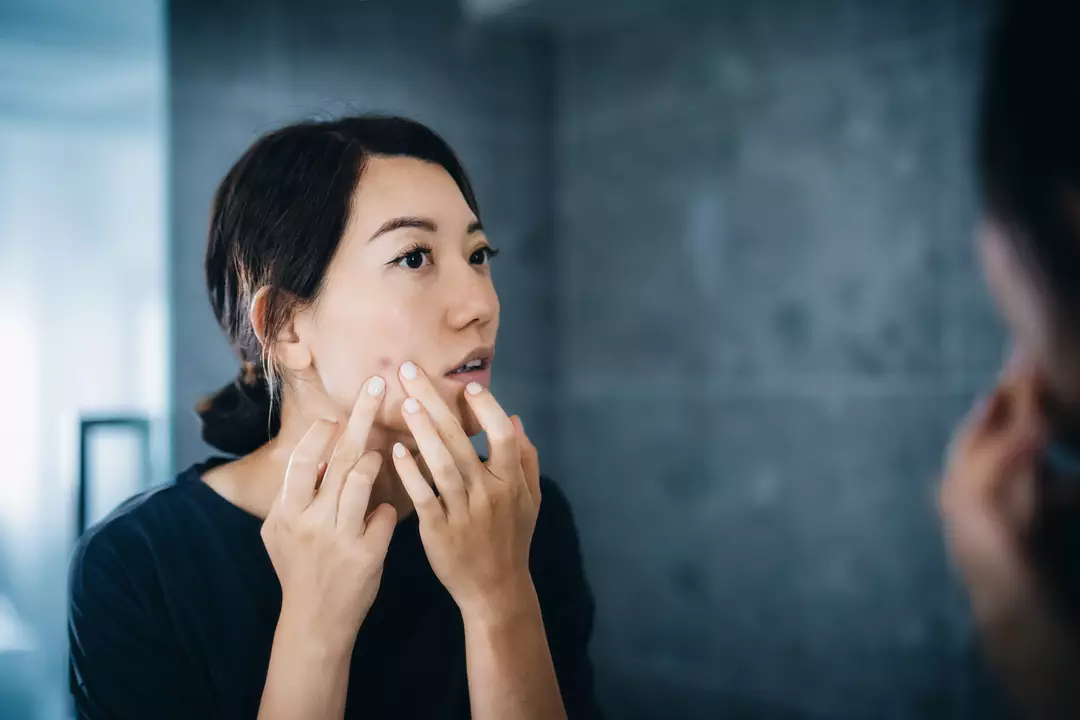
If you’ve ever had a looming deadline or important event and then noticed a sudden breakout, you’re not imagining the link. Stress can show up on your skin fast.
Dr Grant explained: “High stress levels can have a direct impact on the skin, often triggering acne and breakouts. When we’re stressed, the body releases more cortisol, which increases oil production and inflammation. This makes pores more likely to become clogged, leading to spots and flare-ups.
“Stress can also aggravate existing skin conditions such as eczema, psoriasis and rosacea. Ongoing stress disrupts the skin barrier and heightens inflammatory responses, which can make these conditions more reactive and harder to manage.”
Noticing more hair coming out in the shower or on your brush can be alarming — and it may be another sign your body is struggling under sustained pressure.
The physician explained: “Elevated cortisol levels can also impact our hair health, leading to stress-related shedding. Prolonged periods of stress can push hair follicles into a resting phase of the growth cycle, meaning strands are more likely to fall out than grow.
“Many people notice increased hair loss several weeks or even months after a particularly stressful period. While it’s usually temporary, persistent or severe shedding should always be assessed by a qualified health professional.”
Although the body has ways to regulate stress, heavy emotional strain can still disrupt normal function — including sexual health.
Dr Grant said: “Stress can also play a significant role in increasing the risk of experiencing erectile dysfunction. When the body is in a prolonged state of stress, elevated cortisol and adrenaline levels can interfere with blood flow and reduce sexual arousal, making it more difficult to achieve or maintain an erection.
“Additionally, stress may also contribute to performance anxiety, creating a cycle where concerns about sexual performance further worsen the issue. These signs should never be ignored or dismissed.”

Stress can also hit the gut without warning. If you’ve ever had sudden stomach cramps, an urgent dash to the toilet, or unexplained bloating during a tough week, hormones and nerves may be playing a role.
Dr Grant said: “Stress can have a significant impact on the digestive system due to the close connection between the brain and the gut. When we’re anxious or under pressure, this communication pathway, often referred to as the gut-brain axis, can become disrupted, leading to symptoms such as bloating, stomach pain, diarrhoea or constipation.
“Stress can also worsen existing conditions like irritable bowel syndrome (IBS) by increasing gut sensitivity and altering normal digestion. If digestive issues tend to flare up during busy periods, stress could be a driving factor.”
These physical effects can then feed back into stress, creating a loop. Sleep issues are a common example: when you can’t rest properly, everything feels harder — and your body stays on high alert.
Dr Grant added: “Disturbed sleep is a common physical sign that the body is under prolonged stress. Elevated cortisol levels can prevent the body from properly winding down, making it harder to fall asleep or stay asleep throughout the night.
“This may result in difficulty switching off, frequent waking, vivid dreams, or waking up feeling unrefreshed. Over time, poor sleep can further heighten feelings of stress by increasing irritability, reducing concentration, and disrupting the body’s natural hormone balance, creating a cycle that can be difficult to break.”
When stress drags on and you’re not eating or sleeping well, your immune system can take a hit too — leaving you more likely to get sick and slower to recover.
Dr Grant said: “Long-term stress can suppress immune responses, making individuals more susceptible to infections and prolonging recovery times. Persistently elevated cortisol levels can impair the body’s ability to fight viruses and bacteria effectively, prolonging illness.
“As a result, some people may notice they’re catching colds more frequently, experiencing recurrent infections, or taking longer to recover from minor illnesses. If this pattern coincides with ongoing stress, it may indicate that the immune system is under strain.”

Because stress hormones influence so many systems, they can also affect reproductive health. For many women, prolonged tension may show up as noticeable changes to their cycle.
The physician explained: “For women, chronic stress can also interfere with the menstrual cycle. When cortisol levels remain elevated for prolonged periods, it can disrupt the balance of reproductive hormones such as oestrogen and progesterone, which play a key role in regulating periods.
“As a result, some women may notice irregular cycles, missed periods, heavier bleeding, or worsening premenstrual symptoms. While occasional changes can happen for many reasons, persistent irregularity during stressful periods may be a sign that the body is under hormonal strain.”
Another common giveaway is unexplained soreness. When your body stays braced for long stretches, muscles can remain tight — and that tension adds up.
Dr Grant detailed: “Prolonged stress can also manifest physically through increased muscle tension and unexplained aches and pains. When the body remains in a heightened state of alertness, muscles in the neck, shoulders and back tend to stay tense for extended periods.
“Over time, this can lead to tension headaches, jaw pain, back discomfort and generalised muscle soreness. If symptoms persist or worsen, it’s important to seek medical advice to rule out other underlying causes.
“Overall, there are plenty of ways that stress can show on the body, including hair loss, compromised immune systems and disrupted sleep. If these issues persist, I recommend contacting your GP for more tailored advice.”