

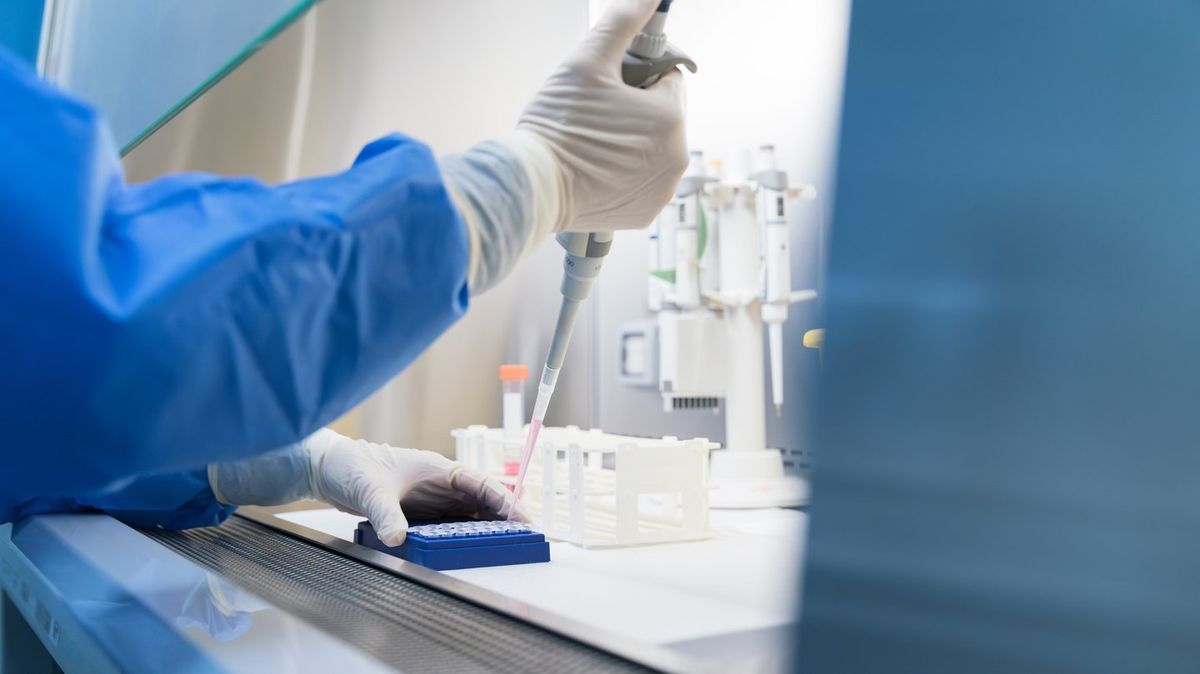
A doctor has weighed in on the risk posed by ‘Disease X’ — a catch-all label for an unknown illness that specialists worry could drive the next global pandemic.
Despite the ominous name, ‘Disease X’ is not a single, confirmed disease. It’s a term the World Health Organization uses to describe a future infectious threat that has not been identified yet. In other words, it represents a hypothetical pathogen — but one that reflects a genuine concern about emerging health risks.
One doctor on TikTok recently broke down the concept for viewers. Doctor Sooj said: “Imagine it is a big question mark on the global health map, symbolizing the unknown infectious disease that might just be lurking around the corner.”
So what should people take from that?

Ana Maria Henao-Restrepo, a physician who leads the R&D Blueprint within the World Health Organization Emergencies Program, clarified the idea in a 2024 podcast: “There is no virus or bacteria circulating right now that is called Disease X and is causing disease. We are preparing for the future.”
That preparation is already underway. The WHO placed Disease X on its priority list in 2018, then in 2022 began a “global scientific process” intended to refresh and refine its list of priority pathogens — infectious agents that could trigger outbreaks or pandemics. As part of that effort, the WHO has brought in “hundreds” of scientists to help pinpoint viruses and bacteria that have “pandemic potential,” according to Henao-Restrepo.
Because there are an enormous number of possible threats, the label is also designed to function as a practical shorthand. “There are many thousands of them. So we need to have a simplified way to refer to them,” Henao-Restrepo said about the term.
The idea also connects to recent history. Before it was identified as SARS-CoV-2, Covid-19 effectively fit the role of a “Disease X” — an unknown pathogen causing a growing outbreak.
So how do scientists actually track and plan for a future Disease X scenario?
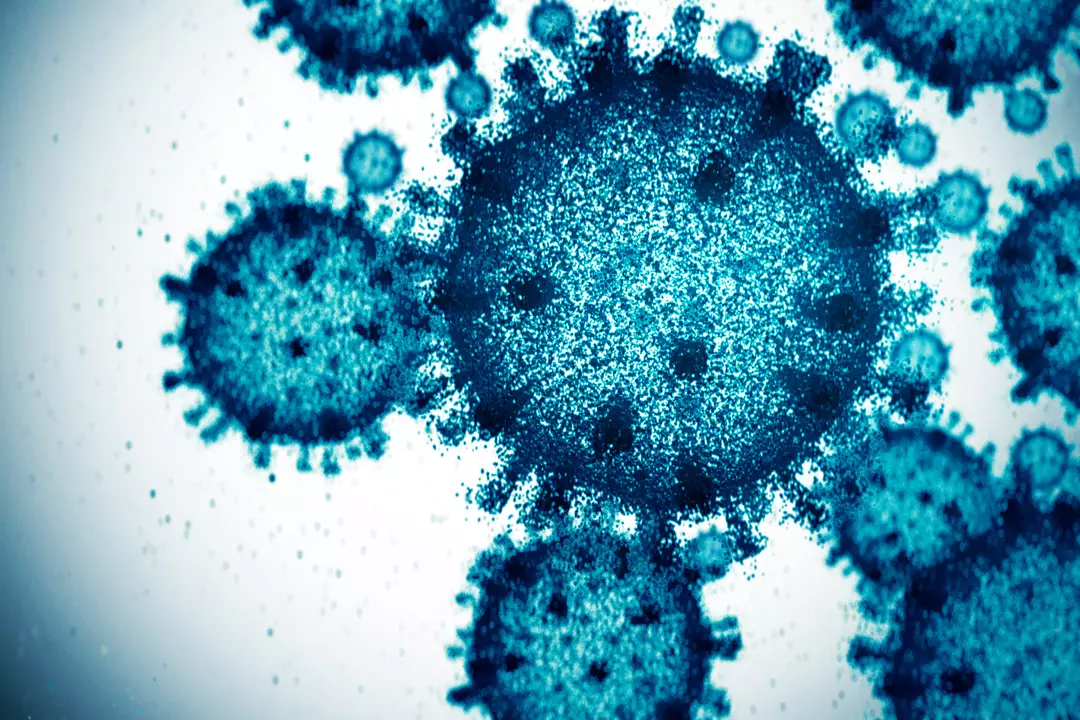
Researchers say the central goal is readiness — building the ability to respond swiftly if a new infectious disease appears. That means monitoring potential threats, learning how different pathogens move through populations, and assessing how they infect humans, so decision-makers aren’t starting from scratch in the early days of an outbreak.
Henao-Restrepo summed up the first step simply: “First of all, we keep an eye.”
Beyond surveillance, scientists also conduct research aimed at understanding how diseases impact the body, how transmission happens, and what countermeasures could be created or adapted quickly. This can include work that supports early development of tools and platforms that can be scaled when needed.
The goal, experts say, is ‘developing in advance vaccines, diagnostics and therapeutics.’
Specialists stress that an eventual Disease X could originate in animals, emerge through mutations of an existing pathogen, or materialize in a way that’s difficult to predict. By identifying higher-risk pathogen families early and strengthening research and response systems, governments and global health groups hope to move faster — and reduce harm to communities.
Ultimately, Disease X isn’t one specific illness. It’s a planning framework intended to keep the world focused on preparedness for the next unknown epidemic.