


Few things have changed day-to-day life as much as over-the-counter medicines, turning problems like headaches or seasonal colds into something a quick pill can handle.
Most familiar options, such as Tylenol and Advil, rarely cause issues when taken as directed. However, not every non-prescription medication is quite so straightforward.
One widely used drug—especially during allergy season—can sometimes have an unexpected impact on your sex life, leaving you wondering if the sneezing and watery eyes would have been easier to deal with. That medication is antihistamines, commonly taken for allergies like hay fever.
Allergies affect more than 80 million Americans during peak pollen months from February through October. And according to Dr Kathryn Basford, antihistamines could be a factor behind sexual performance difficulties.
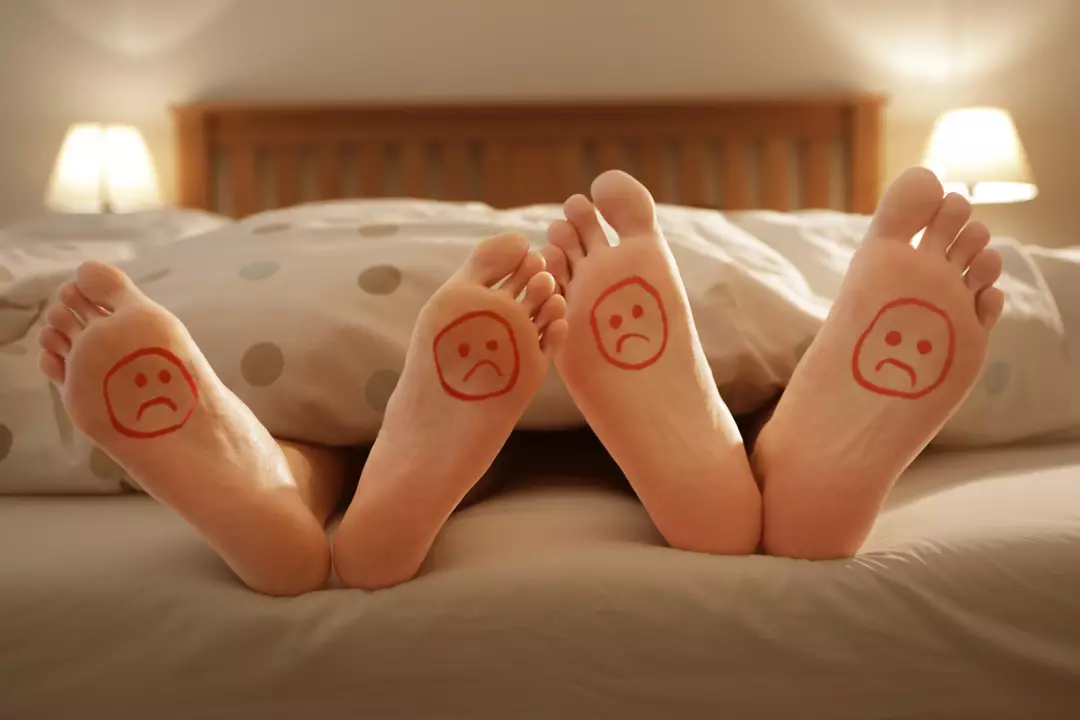
The effects can vary depending on sex. For women, antihistamines may make intimacy uncomfortable and potentially stop things before they really begin.
Or, as Dr Basford explained: “Taking antihistamines and decongestants can potentially cause vaginal dryness as they dehydrate the mucus membranes in your body.
“This can also lead to dryness in your mouth, nose, and eyes.”
This may happen because vaginal lubrication is connected to some of the same underlying processes involved in mucus production and blood flow changes elsewhere in the body. When antihistamines reduce moisture in mucous membranes, natural lubrication can be affected as well.
“Vaginal dryness caused by antihistamine use can lead to reduced lubrication or pain during sex,” Dr Basford added. That said, there are ways to manage it.
The doctor said: “If you notice vaginal dryness is mainly a problem during sex, try extended foreplay and a water-based lubricant. Don’t use creams such as petroleum jelly as these can cause infection and sometimes damage the latex in condoms.”
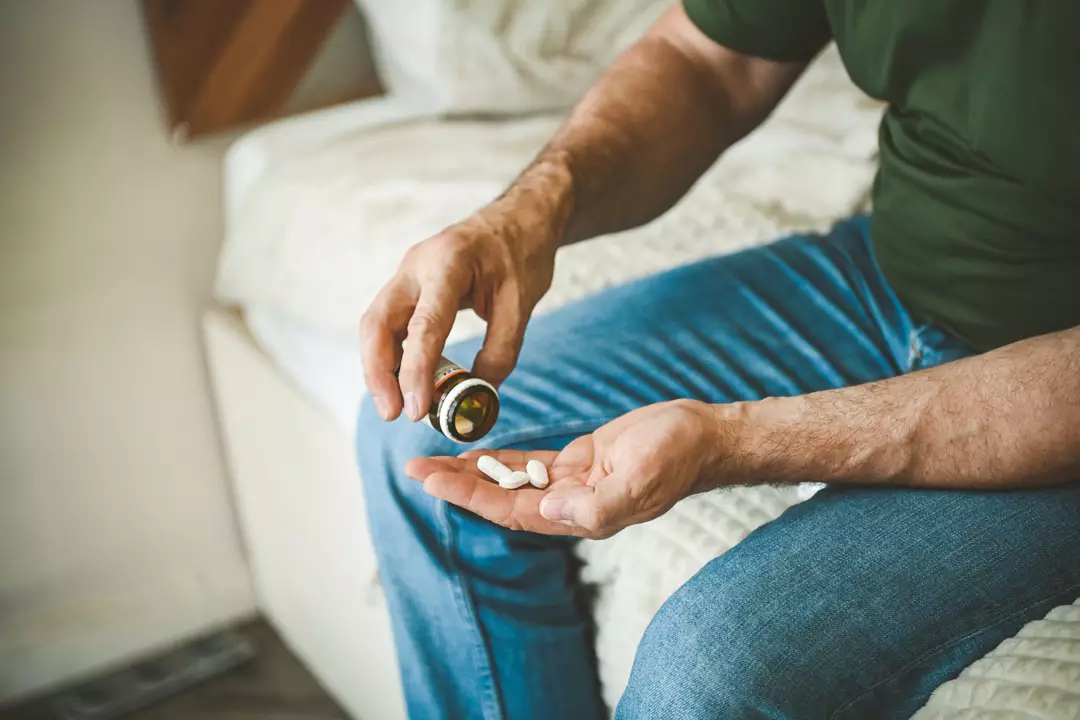
Although this particular side effect is more commonly discussed in women, men may also notice sexual changes while taking antihistamines—often tied less to physical dryness and more to how the medication affects energy and arousal.
Dr Basford said: “Certain antihistamines can contribute to reduced libido or erectile dysfunction in men, making it harder to get or maintain an erection.
“This is because some antihistamines can cause sedation and fatigue, therefore potentially lowering sexual drive.”
It’s also worth noting that stress and self-pressure can make sexual difficulties more persistent, regardless of the original cause. If you suspect your medication is playing a role, discussing alternatives with a doctor may help.
“It’s a common, reversible side effect that usually resolves once you stop taking the medication,” Dr Basford advised. “However, if you are experiencing severe discomfort, speak to your doctor about managing the symptoms.”