

A doctor has suggested that a fruit eaten by millions on a daily basis may not be as harmless as people think.
Dr Daniel Pompa, a cellular health specialist based in Utah who has around 1.9 million Instagram followers, often posts health-focused content for his audience.
In one of his latest videos, he singled out a specific fruit and made a series of claims that surprised many viewers.
Most nutrition advice encourages people to eat plenty of fruit and vegetables, particularly prioritising greens as part of a balanced diet.
And while the phrase ‘an apple a day keeps the doctor away’ is widely repeated, Dr Pompa argued that a different popular fruit doesn’t deserve the same reputation.
To be clear, there are fruits around the world that look appealing but are genuinely toxic to humans — however, the one he’s talking about isn’t typically considered one of them.
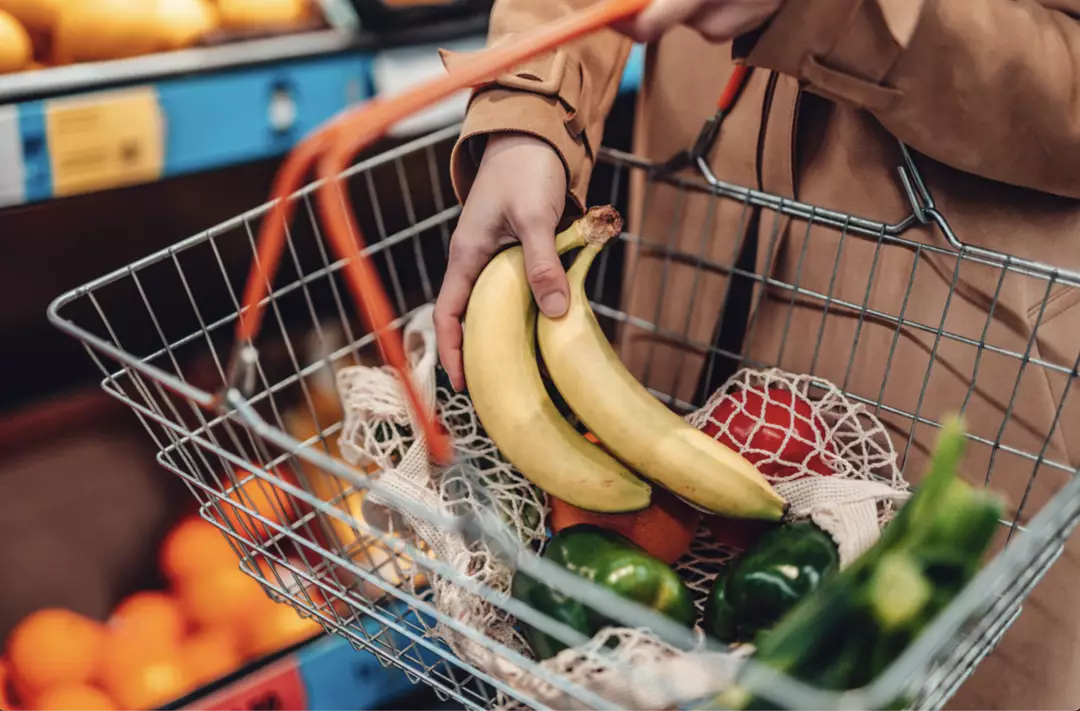
The fruit in question is the banana — a staple for many households, whether packed in lunchboxes, blended into smoothies, or sliced over porridge, helped by its easy-to-peel skin.
Dr Pompa, however, offered a blunt assessment, stating: “I believe this is the most dangerous fruit we can eat.”
He continued: “Actually, I think it’s not even healthy, yet parents are giving it to [their] children. It’s even found in healthy smoothies.”
Some people might assume his criticism is about bananas being relatively high in sugar compared to certain other fruits, but he focused on different concerns.
According to Dr Pompa, the issue is tied to commercial growing methods, claiming bananas are ‘loaded with fungicide.’
Fungicides are used in agriculture to protect crops from fungal diseases while they develop.
Dr Pompa said: “They spray it like crazy with a fungicide [and] something called ethylene, which they do to actually start the ripening process, which all end up in the banana, in us.”
Ethylene is a naturally occurring plant hormone. Hormones are chemical messengers that help living organisms trigger specific actions, and in plants ethylene is associated with processes like leaf drop and fruit ripening.
Although ethylene is used in industrial settings, it’s also produced by many plants on their own — and is linked to signalling fruit to ripen, as noted by the Encyclopaedia Britannica.
Beyond that, Dr Pompa also raised concerns about a type of sugar he referred to as amylose, suggesting it could contribute to health problems for some people.
He said: “If you have aches, pains, inflammation, arthritis, it can make it worse because of the sugar called amylose.”
He also referenced mould specialist Dr Richie Shoemaker while discussing mould-related illness, saying: “The mould expert used to tell people, “do not ever eat bananas if you have mould toxicity” because of the amylose. It makes it worse and makes you feel worse, not healthy.”