


A doctor has outlined which types of surgery tend to cause the most intense pain, and one of the entries is far more routine than many people might expect.
Modern medicine is a world away from the era when “pain relief” meant a drink of something strong and gritting your teeth, but operations can still bring significant discomfort — particularly during recovery.
One reason some procedures are easier to tolerate today is minimally invasive, keyhole-style techniques. In many cases, surgeons can complete complex work through much smaller incisions, which often reduces trauma to surrounding tissue and can shorten recovery time.
Dr Dean Eggitt, a consultant primary care physician, has shared the operations he believes are among the most painful. Even with today’s anaesthetics and rehabilitation support — from doctors, nurses, and physiotherapists — certain procedures are well known for how tough the aftermath can be.
Speaking to the Daily Mail, he said: “While everyone will experience pain differently, there are definitely some procedures that are more painful than others like spinal fusion, open chest surgery and total knee replacement.
“All of these procedures disrupt bones and nerves and cannot have total immobilisation afterwards. So while the actual surgery might not be too painful, the extensive physiotherapy required for full recovery can be very painful.”

Biopsies are carried out when clinicians need a sample of tissue to examine more closely, often to confirm or rule out a diagnosis. In general, taking a small skin sample can be relatively straightforward — but it’s a very different experience when the sample has to come from inside a bone.
With a bone marrow biopsy, a needle is inserted into the bone to draw out marrow. Bone marrow cells are valuable because they include stem cells, but the method of collecting them can be uncomfortable even with numbing medication.
Importantly, patients are typically awake during the procedure.
A local anaesthetic is used, though some people still report a strong pressure or ‘pulling’ sensation, followed by soreness that can last for days. Bruising and a small puncture wound are also common.
This procedure is sometimes referred to by another term — a spinal tap.
A lumbar puncture is another needle-based procedure and is performed in the lower back to access the spinal canal. It can be done to collect cerebrospinal fluid for testing, or to deliver certain medications and anaesthetics.
It’s also usually done while the patient is awake, as positioning and feedback can be important during the process.
Potential after-effects can include headaches, bleeding and swelling. In some cases, people report longer-lasting back pain, and there can be more serious risks such as nerve injury — which may cause problems including loss of sensation, double vision, blood clots, and hearing loss.
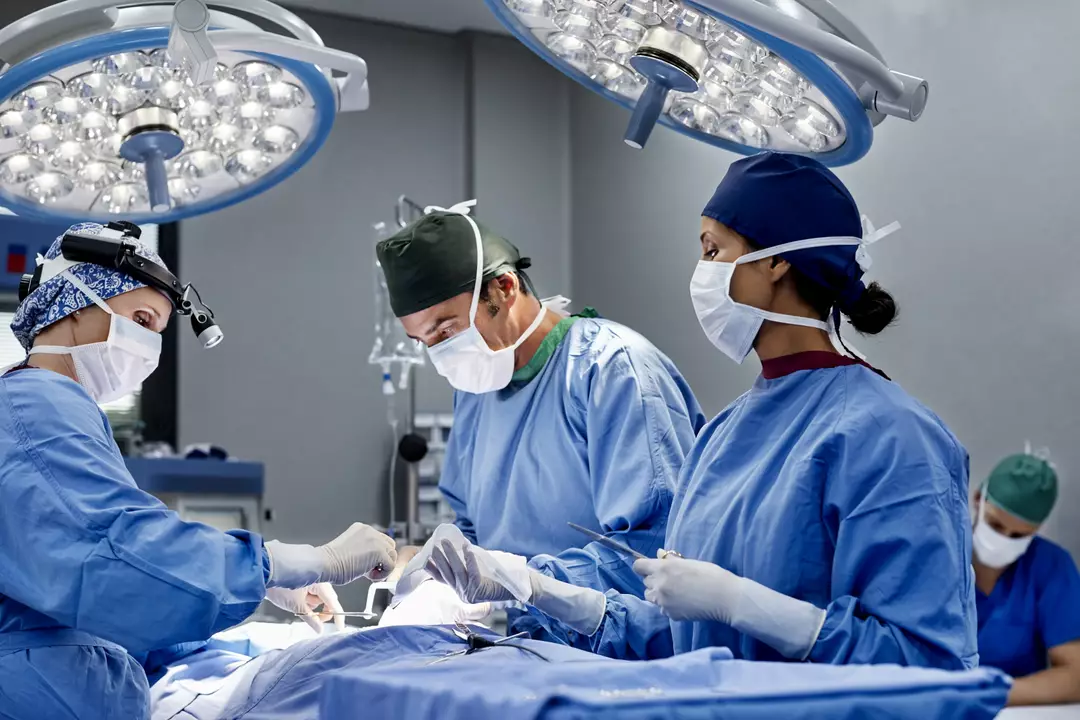
Open chest surgery is widely recognised as one of the more demanding recoveries.
Although it’s performed under anaesthesia, surgeons need to access the heart through the ribcage and breastbone, which is why recovery can take around 12 weeks.
Healing involves more than just the incision — the breastbone must mend and surrounding tissue has to recover. The early stages can be difficult, but many patients find it steadily improves with time and rehabilitation.
Another procedure highlighted is one that involves inserting a small camera device into the uterus to view the inside. The “-oscopy” ending simply indicates a scope being used — similar in concept to a gastroscopy (down the throat) or colonoscopy (via the bowel).
For some, it can be extremely painful. Reports from patients have described it as “unbearable”, and the Royal College of Obstetricians and Gynecologists has said around a third of patients rated the pain as seven out of ten or higher, advising that local or general anaesthetic should be offered.
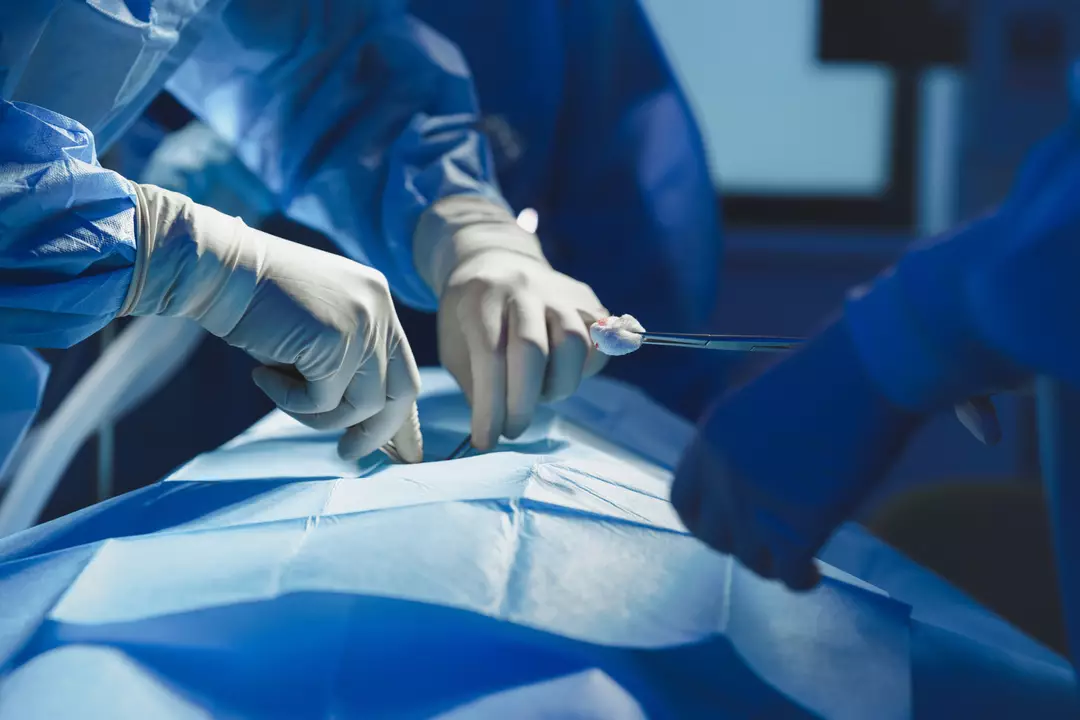
The most “everyday” procedure on the list — and one that can still be especially painful — is total knee replacement.
Knees are complex, weight-bearing joints with many structures that can be affected, and surgery in this area can be hard on both bone and nerve tissue. Recovery also depends heavily on what happens after the operation.
Rehabilitation and movement work are essential to regain function, but that same rehab can be one of the most uncomfortable parts of the whole experience.
“The best thing you can do to help recover from a total knee replacement is to pre-plan,” Dr Eggitt said.
“Don’t just think about painkillers but also seating, sleeping arrangements and daily activities.
“But it won’t be pain free as the procedure is hugely traumatic to both bones and nerves.”