

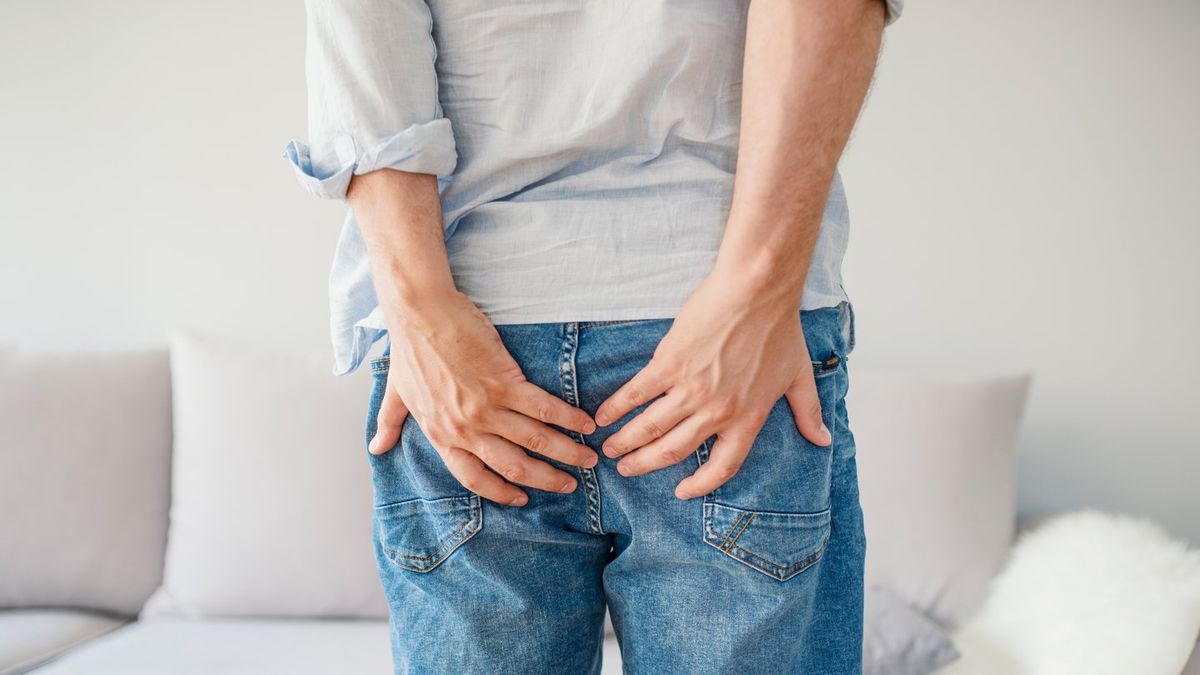
Chronic lower-back pain, tight hip flexors, or that sharp wince when you take the stairs could all be signs of a surprisingly common problem among desk workers: ‘dead butt syndrome’.
Modern office routines can make it alarmingly easy to stay planted in a chair all day. One earlier study even suggested that nearly half of employees skip their lunch break at least once a week.
If you regularly sit for long stretches at a desk, it’s possible you’re dealing with ‘dead butt syndrome’ (also called ‘gluteal amnesia’) without realising.
Below is what it is, why it happens, the symptoms people often notice, and the practical steps experts recommend to fix it.
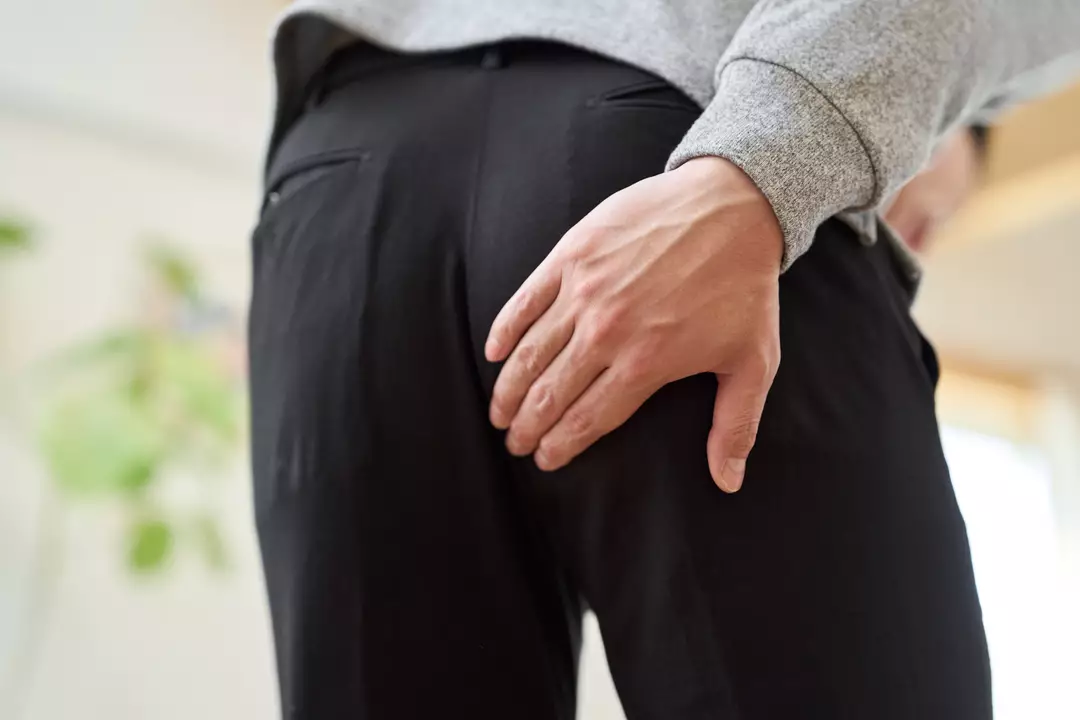
Speaking to Metro, Dr Lawrence Cunningham explained that dead butt syndrome occurs when the glute muscles aren’t being properly activated, so they effectively ‘forget’ how to work.
“‘Your glute muscles basically go to sleep,” he warned. “Your glutes are meant to be one of the strongest muscle groups in your body.
“When they stop pulling their weight, other muscles have to step in and do the work for them.”
Dr Cunningham, a retired GP, said a common clue is noticing you can’t properly feel your glutes engaging during common movements like squats or lunges.
When the glutes—particularly the gluteus medius—fail to do their job, other areas may compensate. Over time, that can contribute to lower-back discomfort, hip issues, and even knee injuries.

Dr Robert Trasolini, an orthopaedic surgeon and sports medicine specialist with Northwell Health, previously told People Magazine that people who sit at a desk for “several hours a day” may be more likely to develop gluteal amnesia.
“Sitting with an arched back or slouching at your desk can ‘put significant pressure on your deep butt muscles’ as well as your lower back,” he cautioned.
“When you put pressure on your gluteus maximus and medius, these muscles will start to deactivate and not function as well.”
Dr Cunningham, speaking for UK Care Guide, added that prolonged sitting can also cause the front hip flexors to shorten and tighten.
With time, he said, ‘reciprocal inhibition’ can occur, meaning the brain stops sending strong activation signals to the glutes.
As a result, those muscles can gradually become weaker and less responsive. He also noted he’d only seen a “handful of cases where it wasn’t linked to a sedentary lifestyle in some way”.
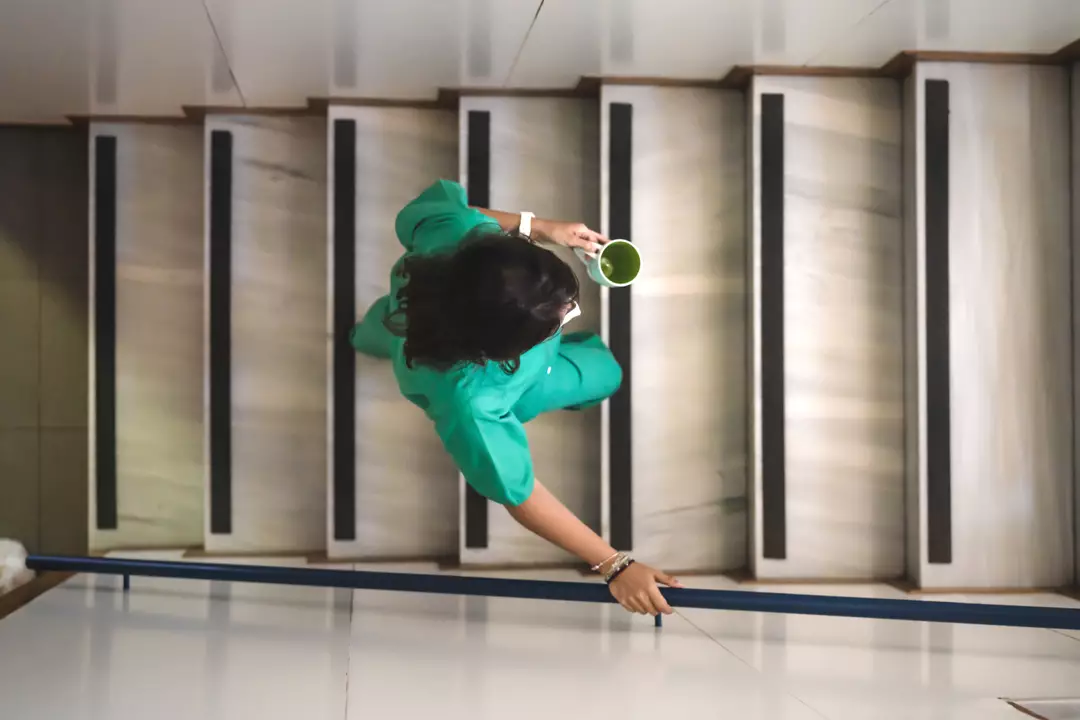
One sign people report is that transitioning from sitting to standing feels unusually uncomfortable or stiff, and the body needs a moment to “wake up” before walking normally.
“You’ll notice more pain with activity – getting up from seated to standing will take a couple of seconds,” said Dr Trasolini. “Think of it like warming up the engine. You can’t just get up and start walking.
“You feel like you have to give it a few seconds, get your bearings on the floor before you start walking.”
Other commonly cited symptoms include numbness, as well as pain that shows up around the knees and hamstrings.
Dr Trasolini also pointed out that stairs may be painful, and that additional stress on the spinal discs could contribute to painful herniations.
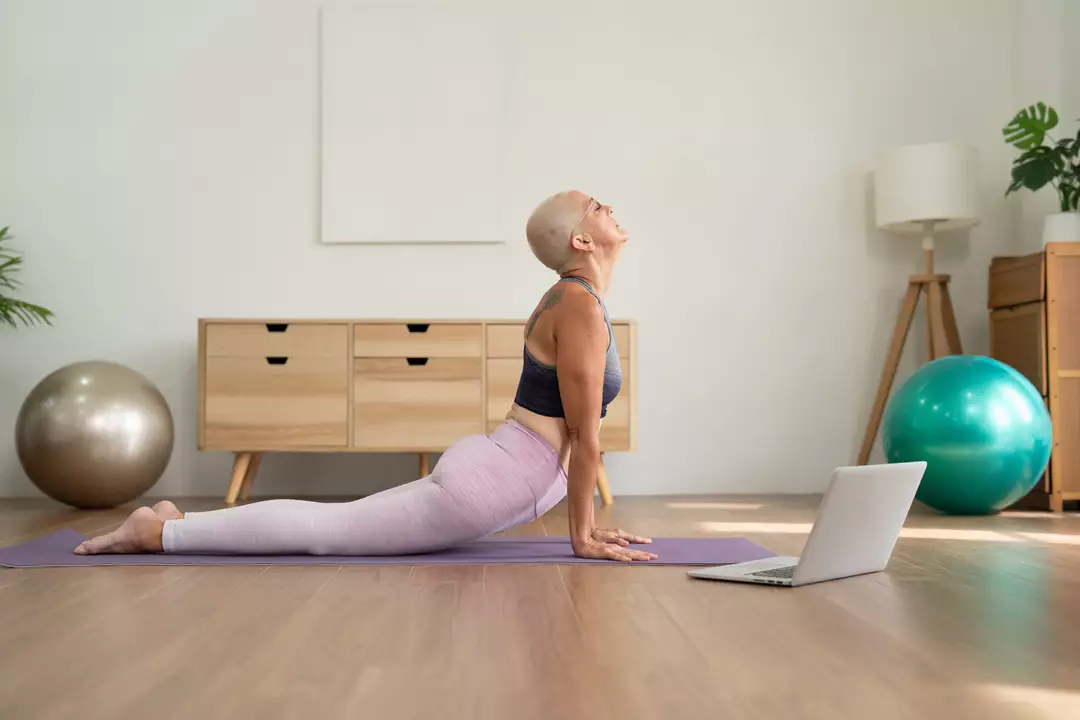
The encouraging part is that ‘dead butt syndrome’ is often reversible with consistent changes.
To rebuild glute strength and improve activation, Peloton recommends therapy-style movements such as hip hitches, banded lateral walks, standing hip abductions, and clamshells.
Dr Cunningham has also described glute bridges and hip thrusts as the “bread and butter of recovery”.
For people who can’t fit full workouts into the day, Dr Trasolini advised breaking up prolonged sitting with frequent movement.
“Set an alarm every 30 minutes, get up stretch every hour, take a short walk for between three and five minutes. Those allow the muscle to respond and get this thing stronger.”
With steady effort, Dr Cunningham added that many people can expect “real improvements within a few weeks of consistent work,”.