

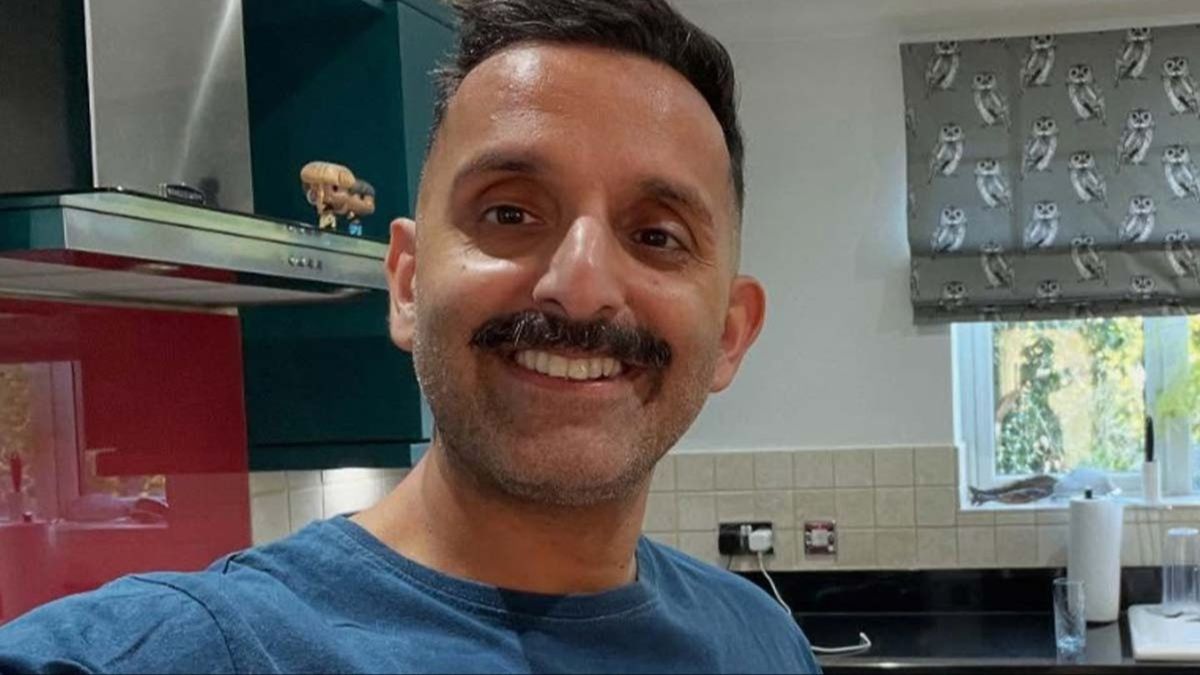
A GP has shared the symptom he encounters most often in clinic, along with the warning signs that mean you should get checked out straight away.
Dr Amir Khan is a familiar face on UK television, appearing on ITV programmes including Good Morning Britain, Lorraine and This Morning.
Alongside his TV work, Dr Amir also posts regular health information and advice to his followers on social media platforms such as Instagram.
In one recent video, he highlighted just how frequently people experience headaches — and stressed that they can present in very different ways.
“As a GP, one of the most common symptoms I see is headache, but not all headaches are the same,” Dr Amir said.
He explained that it’s important to recognise the different types, including migraine — something he emphasised is more than simply a severe headache.
He said: “Migraine is a neurological condition. We think there’s abnormal activation of the nerves and blood vessels in the brain, particularly the trigeminal nerve system, which triggers inflammation and pain signalling.”

Dr Amir advised seeking medical support if migraines are particularly severe or becoming more frequent, if they occur more than once a week, or if you’re struggling to keep them under control.
He also pointed to cluster headaches as another type of headache that should not be ignored.
“This, in my opinion, is one of the most painful conditions in medicine. The pain is excruciating, and usually centred around one eye,” the healthcare expert said.
“The eye may water, become red, and the nose may run on the same side. Now, unlike migraine sufferers who often want to lie still, people with cluster headaches are often restless and unable to keep still because the pain is so intense.”
He added: “We think a part of the brain called the hypothalamus becomes overactive, triggering pain pathways and autonomic nerves around the eye and face. It’s bad.”

Finally, Dr Amir warned about what’s known as a “thunderclap headache”, explaining this type needs urgent assessment because it can be linked to serious conditions such as a haemorrhage or aneurysm.
The health expert quipped: “Now one final point that I always say when I’m talking about headaches, if you ever develop a sudden, explosive headache that reaches maximum intensity within seconds, what doctors call a thunderclap headache, it feels like you’ve been hit at the back of your head, really badly, seek urgent medical attention that isn’t a normal headache.
“It needs immediate assessment. It could be a bleed.”