

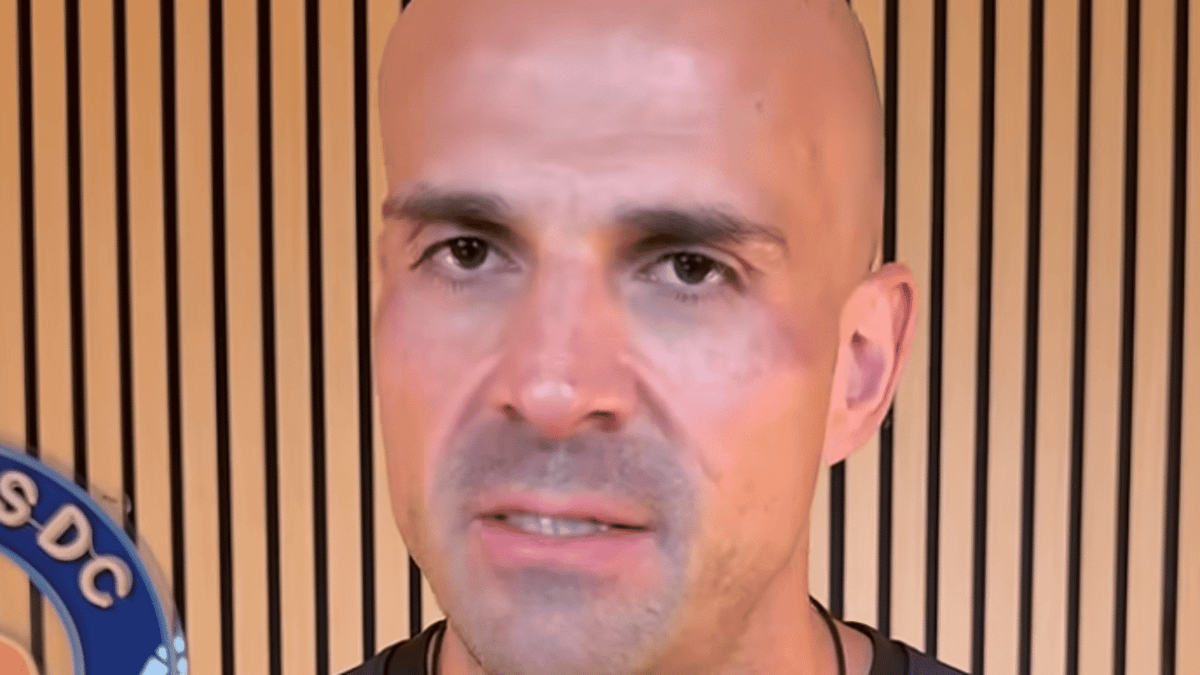
A doctor has outlined what he believes is a more effective approach to using GLP-1 weight-loss medications, while warning about what he calls the most common mistake people make.
As the use of drugs such as Ozempic and Mounjaro continues to rise, a medical expert is urging patients to be cautious about automatically increasing their dosage.
“Don’t go up on the dose because the calendar says so”, warns Dr Jones.
Many patients are given a standard schedule that involves raising the dose every four weeks, according to MedExpress. However, Dr Jones said that this routine can be misunderstood and treated as a rule rather than a guideline.
He said: “A lot of people get these medications through high-volume operations with almost no clinical contact, where one physician signs off on thousands of patients and nobody ever asks how it’s going.
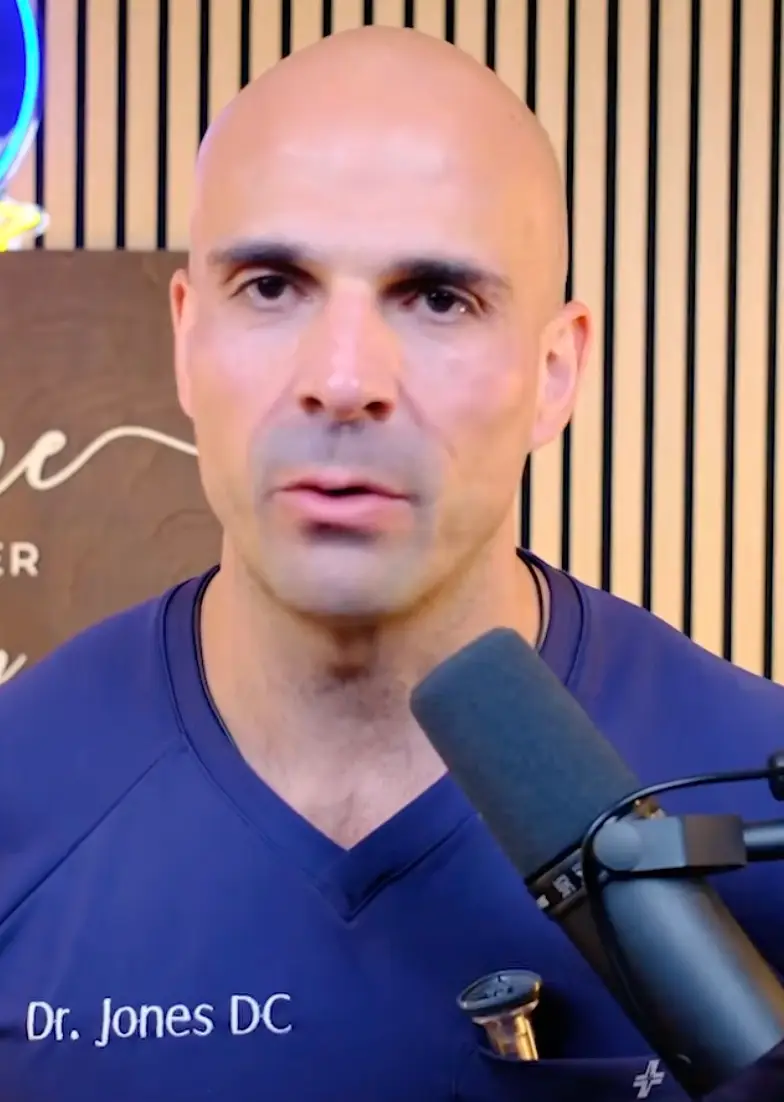
“Without that conversation, the schedule becomes the plan by default, and people climb toward the maximum whether they need it or not.”
According to Dr Jones, there is a specific point in treatment that clinicians should pay close attention to rather than simply following a timetable.
“The point where the constant thinking about food quiets down and cravings settle, but a person can still eat normally and get on with their day,” he explained.
“Past that point, more medication doesn’t buy much and costs plenty.”
He also cautioned that taking a higher dose than necessary may create new problems instead of improving results.
He added: “When people overshoot, appetite disappears completely.
“They stop eating enough, they lose muscle, and they never build any of the habits that have to hold the weight when the dose eventually comes down.
“The scale moves and nothing underneath it changes.”
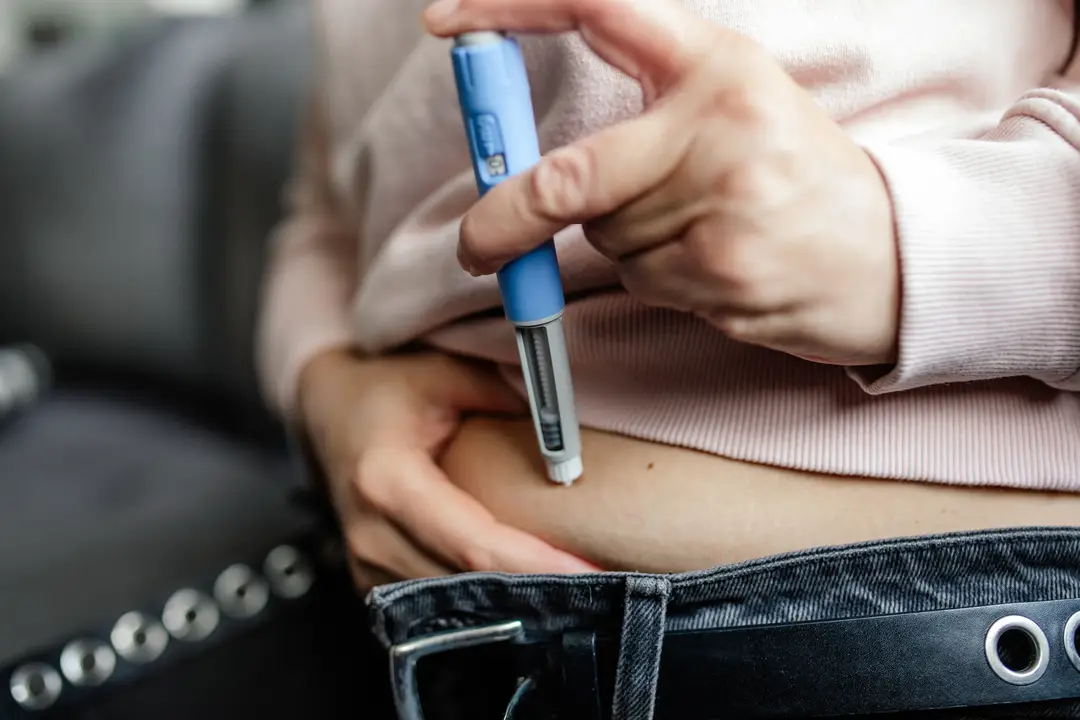
Dr Jones’s warning aligns with medical research on GLP-1 receptor agonists, which work by slowing digestion and decreasing appetite. Studies have shown that rapid weight loss without adequate protein intake and resistance training can result in significant muscle loss, a concern particularly for older adults and sedentary individuals.
Another issue, he said, is that people can become too focused on short-term fluctuations in their weight.
Dr Jones said that one week without progress on the scales, which he refers to as a ‘flat week’, should not automatically trigger a dosage increase.
“The better signal”, he noted, “Is whether food is back in your head all the time.
“Either way, that’s a conversation with your prescriber.”
The warning comes as use of GLP-1 medications for weight loss has surged in the US. A recent Gallup poll found that 11 percent of Americans now say they are currently taking GLP-1 drugs for weight loss purposes, compared with 3 percent in 2024.
US obesity rates reached a high of 39.9 percent in 2022, when that proportion of Americans were medically classified as obese. Since then, that figure has fallen to 36.4 percent as of 2026.
While the growing popularity of GLP-1 medications appears to line up with the drop in obesity levels in the US and elsewhere, researchers have said the picture is likely more complicated. They have pointed to lifestyle changes, public health initiatives, and a range of other influences as possible contributing factors behind the decline.
Medical experts emphasize that successful weight loss on GLP-1 medications requires more than just the right dose. Patients should maintain adequate protein intake, engage in resistance training to preserve muscle mass, and work closely with their healthcare providers to find the appropriate dose—one that suppresses appetite and cravings while still allowing normal eating patterns and daily functioning.