


Stomach pain is one of those complaints that’s easy to brush off as nothing serious — the sort of thing you assume will pass once a questionable meal has settled.
However, some types of abdominal pain can be an urgent warning sign. In certain cases, it may point to dangerous conditions such as intestinal ischemia, peritonitis, or even a blocked aorta.
Because it’s not always obvious what’s harmless and what isn’t, an emergency doctor has outlined a few clues that can help you recognise when abdominal pain should prompt an immediate trip to the hospital.
Introducing himself on Instagram as the “healthcare Gordon Ramsay,” Dr Ahmed began with a blunt message for viewers: “Shut up and listen. This is how you know your stomach pain is something to be worried about or not.”

The first and most alarming possibility he raised was a blocked aorta — a potentially catastrophic cause of abdominal pain.
Dr Ahmed said: “Number one, if you’ve got sudden severe or tearing abdominal pain like Darth Vader has just jabbed you with his lightsabre, yeah, that’s your aorta booking into Hotel Jesus. Come to me before your reservation’s complete.”
The aorta is the largest artery in the body, carrying oxygen-rich blood from the heart to the rest of the circulatory system. If there’s a serious blockage here, it can quickly become life-threatening.
Aortic problems may cause pain that worsens with activity and eases with rest. Other possible warning signs can include erectile dysfunction in men, along with numbness or sharp pain affecting the buttocks, thighs, or calves.
Next, the doctor pointed to intestinal obstruction — something that may sound less dramatic than it actually is. If suspected, it needs prompt medical attention.

Dr Ahmed explained: “Number two, if you’re bloating up, haven’t farted for a day, and are throwing up some brown weird stuff now with lots of abdominal pain, yeah buddy, that’s Gandalf in your intestines shouting at poo ‘you shall not pass!’ That’s an intestinal obstruction. Come to me quickly.”
Blockages can be triggered by several issues, including scar tissue after surgery, hernias, or cancers involving the colon. Even when the underlying cause is common, the consequences can be severe if treatment is delayed — and complications can develop rapidly.
An untreated obstruction can cut off blood supply to the bowel, causing tissue to die. It may also lead to rupture, allowing bowel contents to leak into the abdominal cavity. Both outcomes can be life-threatening.
The third condition he highlighted was peritonitis — not a well-known term for many people, but a medical emergency.
Dr Ahmed said: “Number three, if you’ve got loads of abdominal pain [and] you can’t even stand up straight or even lie straight, you’re walking around like a Hunchback… Or something like that, that’s peritonitis. Something’s launched a grenade inside your tummy, come to me quickly before you Jesusify.”
Peritonitis is inflammation of the lining inside the abdomen. While that description may sound mild, the condition can become deadly without urgent treatment, depending on the cause.
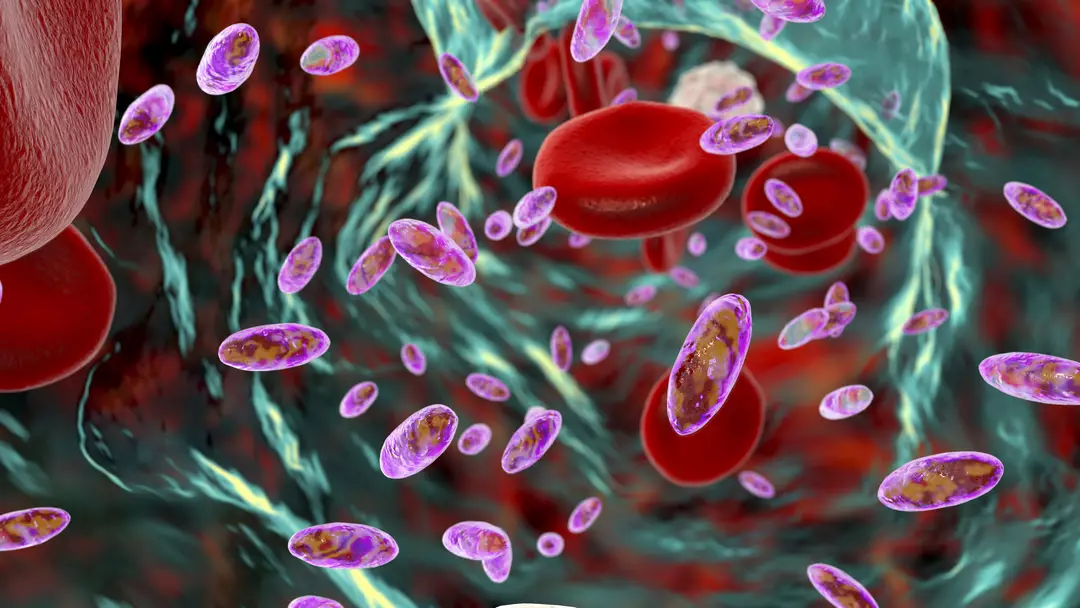
If the lining is damaged, bacteria can enter the bloodstream and trigger sepsis — a dangerous chain reaction that can cause a dramatic drop in blood pressure and lead to organ failure.
Possible symptoms include intense abdominal pain, fever, a fast heartbeat, and noticeable swelling or bloating of the stomach area.
Finally, Dr Ahmed described another scenario that may not involve extreme pain at first, but can still signal a serious and potentially fatal intestinal problem.
The doctor said: “And finally, if your pain isn’t that bad, it’s dull, it’s crampy, it’s a bit annoying, but you’re pooping black or reddish blood, buddy, your intestines have already checked out and gone west to Valinor. Come to me quickly, because that might be intestinal ischemia.”
Valinor, for context, is the legendary realm over the sea in JRR Tolkien’s Lord of the Rings. But intestinal ischemia is all too real — and it can cause permanent intestinal damage if not treated quickly.
Intestinal ischemia happens when blood flow to the intestines is reduced or stopped, depriving tissue of oxygen. It can present with blood in stool, nausea, and sudden severe abdominal pain.
In some cases, the onset is slower. When blood flow is only partially restricted, discomfort may build over weeks as the intestines gradually suffer, sometimes alongside unexplained weight loss and diarrhea.