

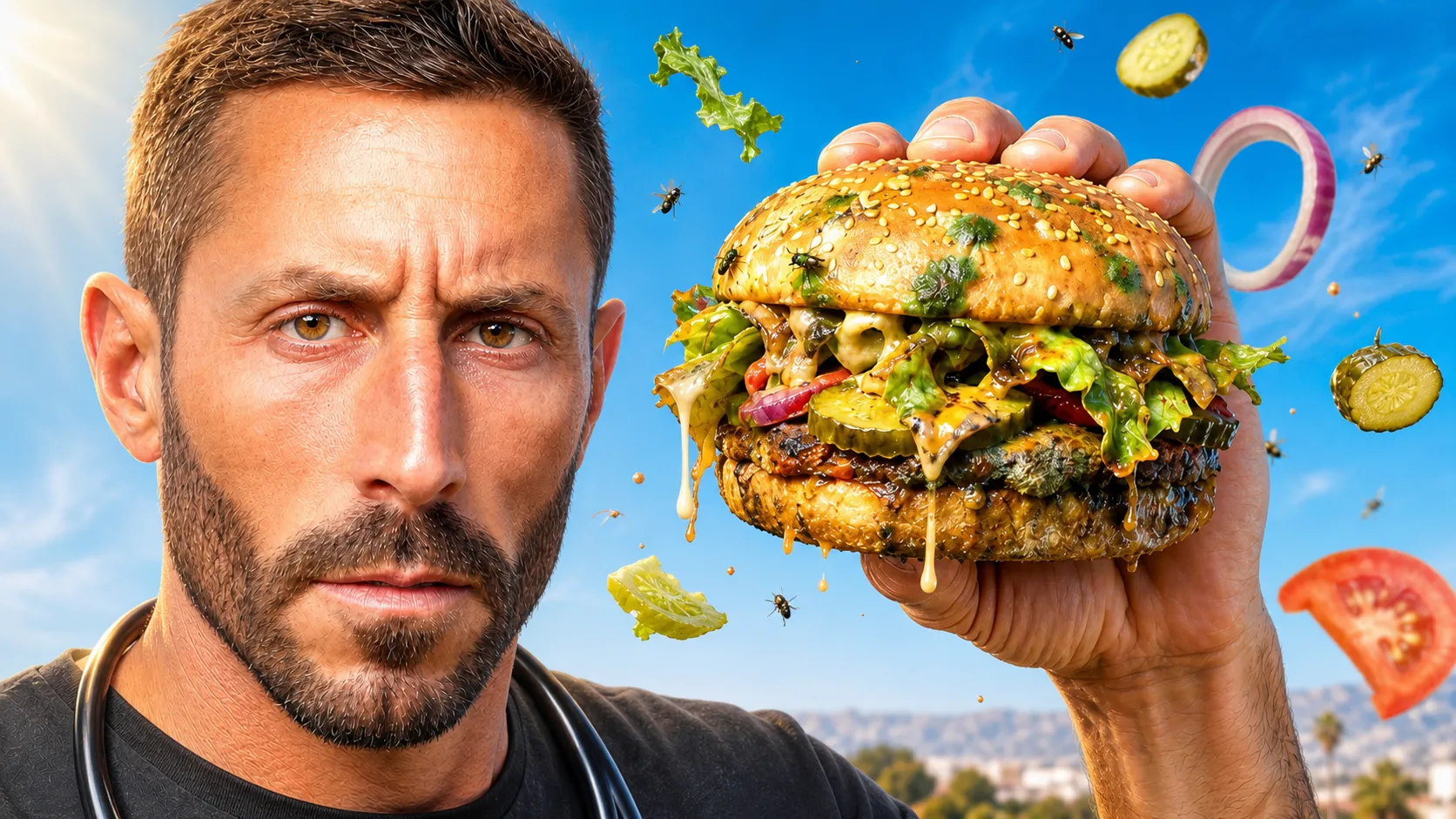
For years, Burger King kept their ingredient lists hidden from public view. Now a detailed breakdown reveals exactly why they may have wanted to keep consumers in the dark.
A comprehensive analysis of Burger King’s menu items shows alarming ingredient lists that go far beyond what simple fast food should contain. The Whopper alone contains 85 different ingredients, while the Spicy Royal Chicken Sandwich reaches a staggering 120 ingredients—the highest count ever documented across multiple fast food chains in comparative studies.

The Whopper’s Hidden Problems
While the beef patty itself is 100% beef and cooked on a grill without seed oils, the troubles begin immediately. The bun contains approximately 40 ingredients and includes potassium iodate, a chemical banned in buns throughout the European Union, United Kingdom, Australia, and most of Asia.
Potassium iodate acts as a dough conditioner but poses a thyroid concern. The FDA allows up to 3 mg in burger buns, which translates to over 1,000 micrograms of iodine. The recommended daily allowance for iodine is just 150 micrograms. Consuming this much iodine in a single bun could potentially cause hyperthyroidism or thyroid toxicity.
The bun also contains azodicarbonamide, an ingredient found in yoga mats, along with calcium peroxide, a bleaching agent that can dissolve the protective mucus layer of the gut. Other concerning additives include DATEM, a dough conditioner about which people have health concerns.
The pickles contain nine ingredients when they should contain only three: cucumbers, salt, and vinegar. Instead, they include calcium chloride preservatives, sodium benzoate, polysorbate 80 emulsifiers, and artificial colors.

The Whopper sauce and mayo are made with soybean oil as the first ingredient. Seed oils like soybean oil are industrially refined through a process involving heating, grinding, degumming, extraction with hexane, and distillation. This heavily processed final product bears little resemblance to natural fats humans consumed throughout history.
The American cheese isn’t actually cheese—it’s a cheese product with 11 ingredients. It contains artificial colors, soy lecithin, and natamycin, an antifungal compound. Natamycin is added because the highly processed cheese would otherwise grow moldy on shelves. Consuming antifungal compounds regularly could disrupt the delicate balance of gut bacteria.
The Chicken Sandwich Nightmare
The Spicy Royal Chicken Sandwich stands out as potentially the worst item on any fast food menu. With 120 total ingredients, it surpasses even McDonald’s and Chick-fil-A offerings in complexity.
Three different sauces coat this sandwich: mayonnaise, royal sauce, and a spicy glaze. The spicy glaze contains multiple types of seed oils, including fully hydrogenated soybean oil mixed with regular seed oils in what’s called an interesterified oil. Studies show these oils can increase fasting glucose levels by up to 20% and decrease insulin secretion, creating what researchers call a metabolic nightmare.
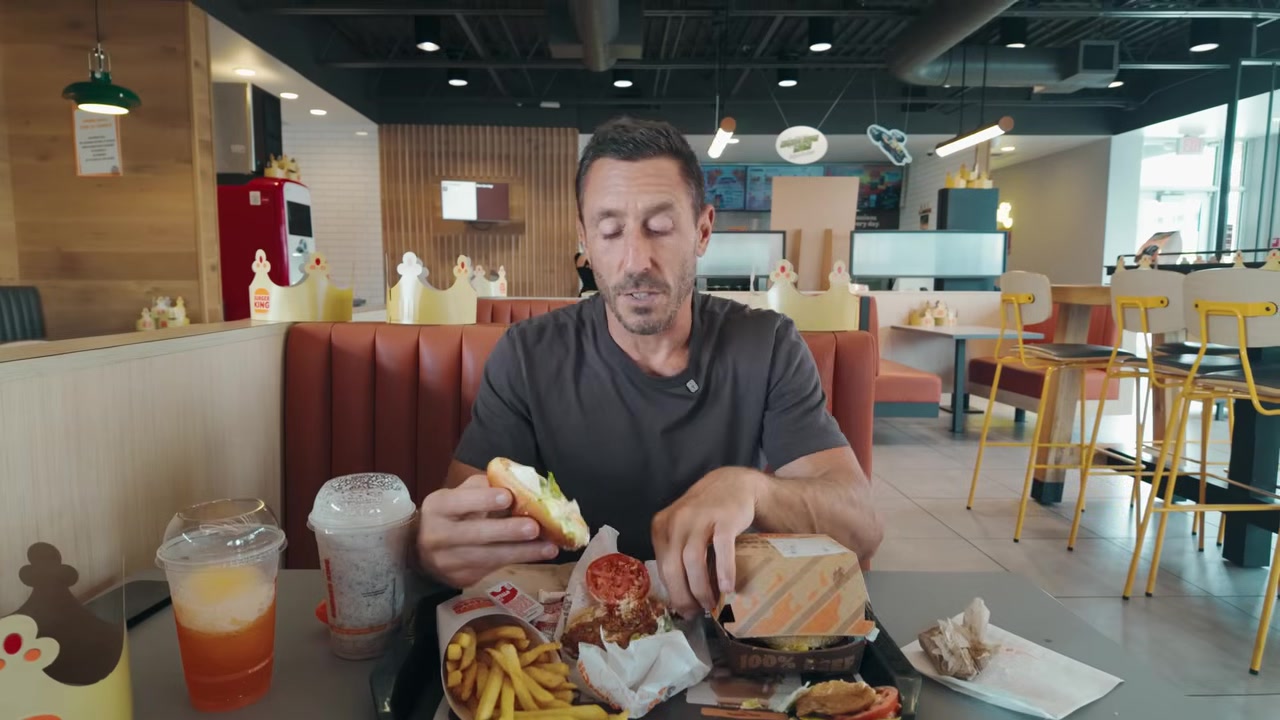
The royal sauce alone contains 25 different ingredients, including maltodextrin, sugar, multiple natural flavors, and xanthan gum—another thickening agent with potential gut health concerns.
Three different coats of batter cover the chicken, each containing multiple flours and leavening agents. While the chicken itself appears to be real, consumers must consume it through layers of starches, modified food starches, leavening agents, and seed oils. The chicken is fried in rancid seed oils that have been heated repeatedly for extended periods.
The French Fry Disaster
French fries contain 17 ingredients and are cooked in multiple types of seed oils. When seed oils are heated repeatedly, they become oxidized and rancid. Fast food restaurants change their fryer oil once per week, meaning fries are cooked in oils that have been fried in oils for 16 or more hours per day for 6 to 7 days straight.
Most concerning is the presence of dimethylpolysiloxane, a key component of Silly Putty. This antifoaming agent is added to fryer oil and ends up consumed with every order of fries and fried chicken sandwiches. Eating these fries is essentially equivalent to wrapping them in Silly Putty.

Liquid Dangers
The chocolate shake contains 19 ingredients, including propylene glycol, a food-grade form of ethylene glycol used as deicer for airplane wings and RVs. While not necessarily harmful, consuming deicers raises questions about what exactly people are eating.
More concerning is carrageenan, a long-chain polysaccharide used as a thickening agent. Multiple studies, including recent 2024 research, show that carrageenan and its breakdown products can be directly inflammatory to the gut. Though most research occurs in animal models, there is growing concern about carrageenan’s effects on human gut health.
The Hi-C Freezy contains Red 40, a food dye linked to behavioral issues in children and attention problems. Red 40 is banned in California, yet remains legal in most other states. The drink also contains high amounts of processed sugar or high fructose corn syrup, both linked to worsened glucose tolerance and increased insulin resistance.
A Healthier Alternative
For the same $24 spent on Burger King’s offerings, consumers could purchase real ingredients and prepare healthier meals at home. Homemade potatoes require only potatoes, tallow, and salt. A chicken sandwich needs just a chicken breast, real cheese, and a simple three-ingredient sourdough bun with lettuce and tomato.
A homemade burger could include a quality bun, lettuce, tomato, real cheese, and a patty seasoned with salt and pepper—no canola oil required. These meals would cost less and provide vastly superior nutrition.

The choice ultimately rests with consumers. Americans consume 60% of their diets as processed food, and this dietary pattern correlates with epidemics of obesity affecting 70% of the population, along with skyrocketing rates of diabetes, cancer, dementia, erectile dysfunction, and infertility.
Improving the quality of foods eaten directly improves health. Single-ingredient foods and foods that ancestors would recognize provide better taste, lower cost, and superior long-term health outcomes. While occasional fast food consumption won’t cause immediate harm, regular consumption of these 85 to 120 ingredient creations comes at a significant cost to human health.