

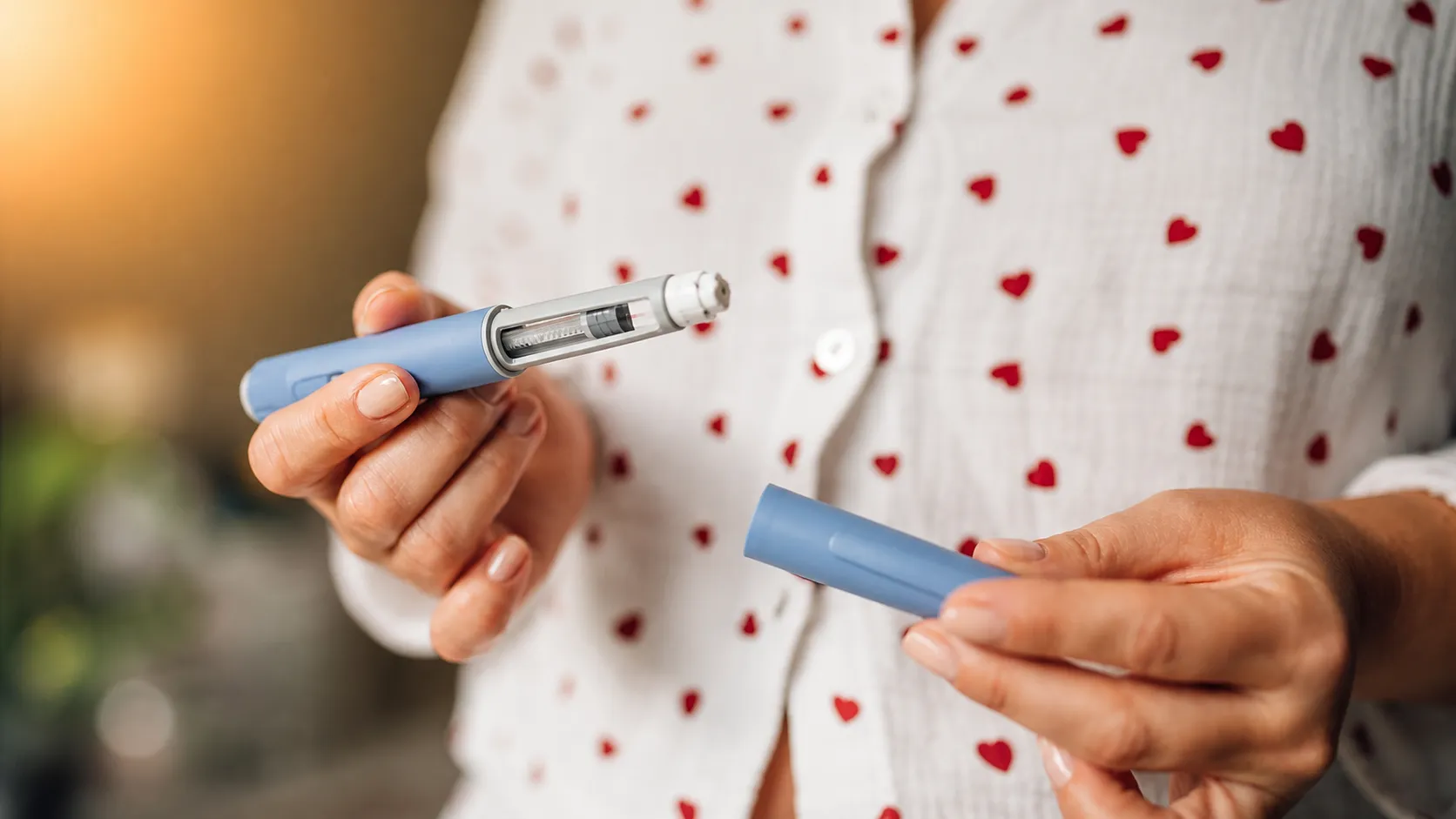
People using GLP-1 injections such as Ozempic, Wegovy or Mounjaro often worry when their weight loss seems to stall, but a pause on the scales does not automatically mean the treatment has stopped helping.
That is the message shared by NHS GP Dr Amir Khan, who responded to the concern in an Instagram video after hearing it repeatedly from patients.
Dr Khan, also known for his television appearances and bestselling writing, tackled the issue after it struck a chord with many people currently taking weight loss medications.
Use of GLP-1 drugs in the US has grown rapidly. A KFF poll published in late 2025 found that 12 percent of US adults said they were currently taking a GLP-1 drug, while nearly one in five said they had used one at some point to lose weight or treat a chronic condition. Demand has risen so quickly that access has often been shaped by insurance coverage, supply issues and high out-of-pocket costs.
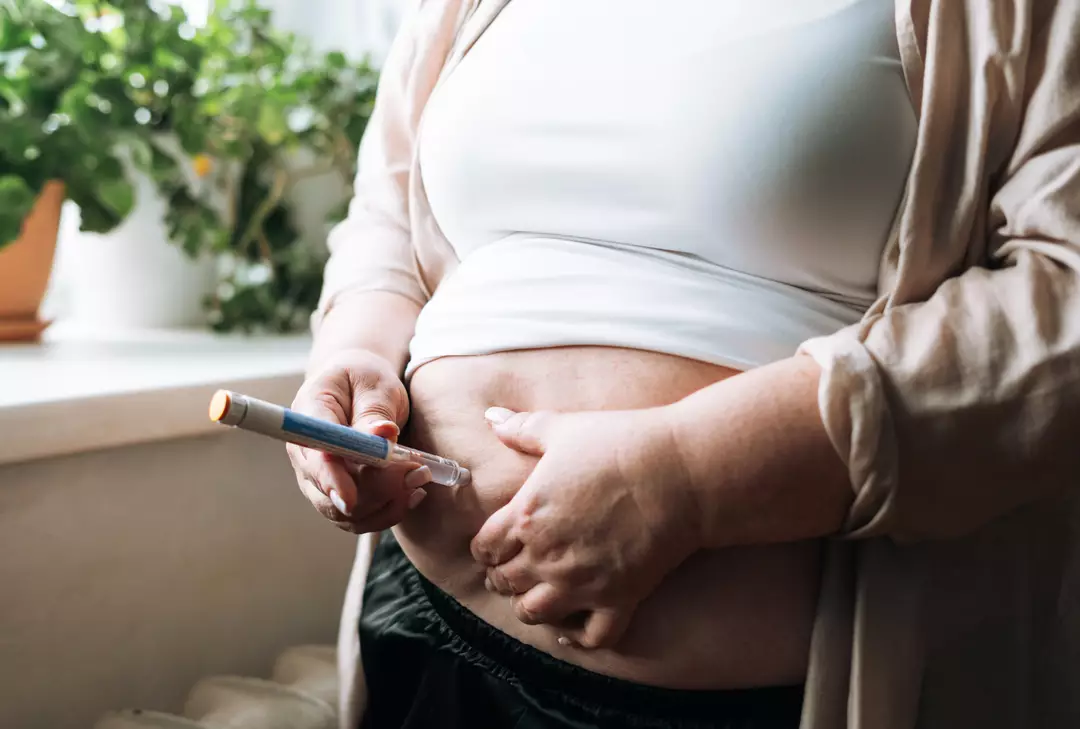
In his clip, Dr Khan focused on one of the questions he says comes up most often.
At the beginning of treatment, the impact of GLP-1 medication can be striking. These drugs slow the rate at which the stomach empties, reduce appetite, increase feelings of fullness and lessen cravings for food.
Because of that, many people see a noticeable drop in weight during the first stage of treatment, sometimes without feeling as though they are following a traditional diet.
However, Dr Khan says the body eventually starts adapting.
“Your body doesn’t particularly like losing weight,” he says.”From an evolutionary perspective, weight loss can look or feel to the body a bit like starvation.”
As body weight falls, the body can respond by resisting further loss.
Metabolism may slow down slightly, calorie burn can decrease because there is less body mass to maintain, and hunger-related hormones may start rising again.
That means the body becomes more efficient with the calories it is getting.
So even while the medication continues to work, the difference between calories eaten and calories used can shrink, causing progress on the scales to level off. This is one reason some patients are moved onto higher doses over time, although any dose changes should be decided with a clinician rather than done independently.
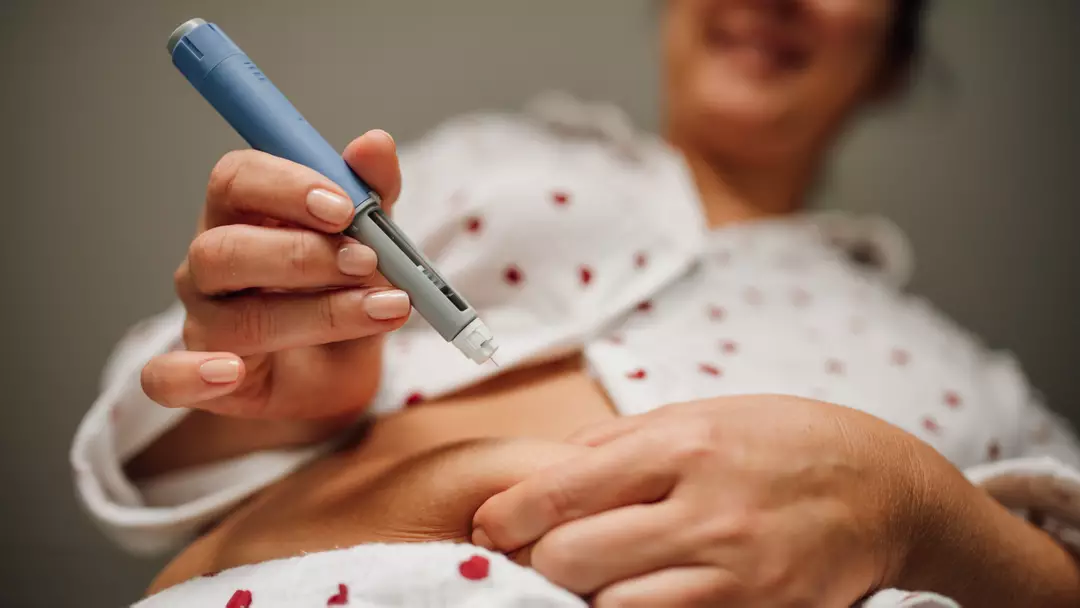
An increased dose can sometimes strengthen the appetite-reducing effect and help counter some of that biological pushback.
Even so, Dr Khan stresses that hitting a plateau is a normal part of the process and not something patients should immediately panic about.
He suggests looking at it differently.
Instead of seeing a plateau as proof that treatment has failed, he says it may be better understood as a shift from active weight loss into a maintenance stage.
“The medication may still be preventing weight regain, even if your scales are not moving,” he explains.
“The battle has shifted from losing weight to keeping it off.”
That fits with how these medicines were tested in major obesity trials. In studies of semaglutide and tirzepatide, patients typically saw the fastest weight loss early on, with progress tending to slow as treatment continued and body weight moved toward a new steady level. In other words, a plateau can reflect the body settling into maintenance rather than the drug suddenly becoming ineffective.
For plenty of people, holding onto a substantial loss rather than regaining it is still an important health outcome, even if it does not feel dramatic from day to day.
Doctors also point out that success with these medicines is not measured only by the number on the scales. For some patients, improvements in blood sugar, blood pressure, waist size, mobility or sleep can matter just as much. In March 2024, the US Food and Drug Administration approved Wegovy to reduce the risk of cardiovascular death, heart attack and stroke in certain adults with cardiovascular disease and overweight or obesity, and in December 2024 the FDA also approved Zepbound as the first medication for moderate to severe obstructive sleep apnea in adults with obesity.
Public health bodies including the CDC and the UK government say GLP-1 medications should not be treated as a standalone fix. They recommend that the drugs are prescribed and monitored by a qualified healthcare professional and used alongside a balanced diet and regular exercise for the best long-term results. They also warn people not to obtain them from unauthorised sellers because of the risk of fake or unapproved medication.
That warning has become more urgent as regulators crack down on illegal or misleading GLP-1 sales. The FDA has issued repeated alerts about counterfeit Ozempic in the US supply chain, dosing errors linked to some compounded semaglutide products, and marketing of non-FDA-approved GLP-1 drugs online.
Frequently reported side effects include nausea, vomiting, diarrhoea, constipation and stomach pain, while good hydration is generally advised during treatment. More serious risks can also need discussing with a prescriber, including gallbladder problems, pancreatitis, kidney injury related to severe dehydration and the medicines’ boxed warning about possible thyroid C-cell tumours. These medications are also not usually recommended during pregnancy or while trying to become pregnant.
Anyone concerned that their injections have “stopped working” is generally advised to speak to their prescriber before quitting treatment. A plateau may prompt a review of dose, diet, activity, sleep, side effects or adherence, but it does not automatically mean the medication has failed.
Novo Nordisk have been approached for comment