

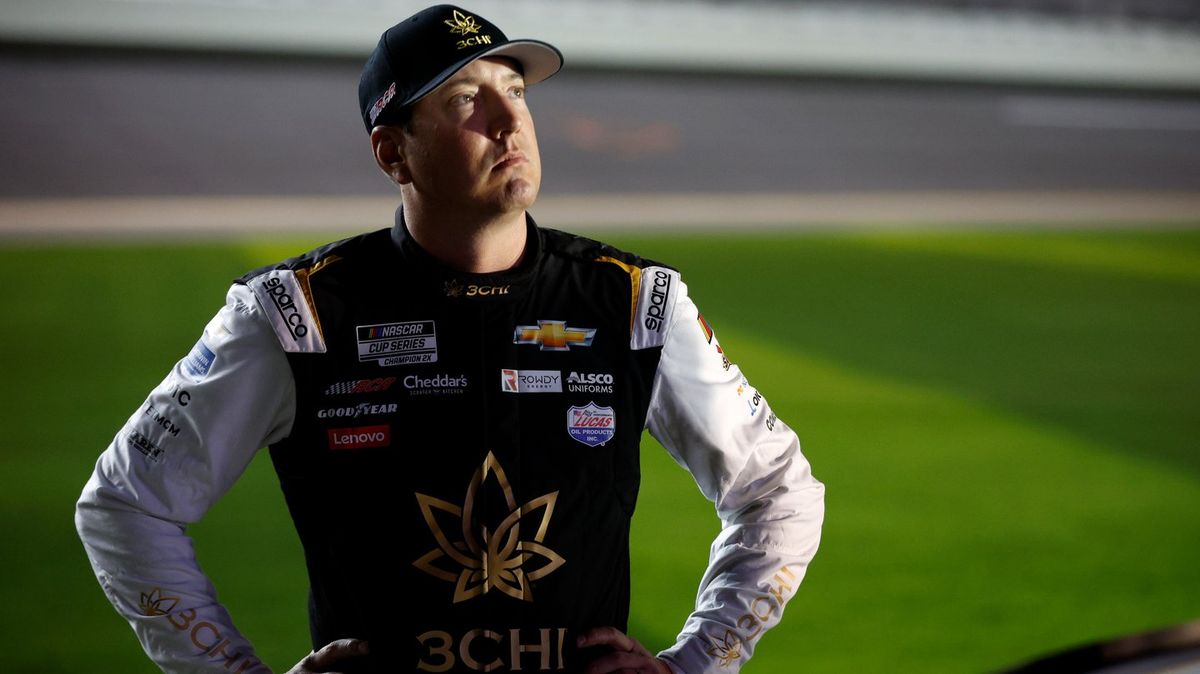
A sports medicine doctor has weighed in on the death of NASCAR star Kyle Busch, calling it “totally preventable”.
Busch died aged 41 on May 21, leaving behind his wife and three children. It was later confirmed he passed away after being hospitalized with pneumonia that progressed into sepsis, triggering “overwhelming complications”.
In the weeks leading up to his death, Busch was said to have asked team medical staff for a “shot” during the NASCAR Cup Series weekend at Watkins Glen, after feeling unwell with what was believed to be a sinus infection.
Dr Jesse Morse said the illness sounded consistent with “walking pneumonia,” which can persist for weeks, and argued that the situation could have been avoided with earlier escalation of care.
“It sounds like he suffered a sinus infection. About two-ish weeks ago that he was dealing with in that initial race when he called in.

“But that sinus infection somehow evolved to become pneumonia, and that pneumonia eventually progressed to what is called sepsis, and then eventually that is what killed him.
“So the shot he was asking for was probably either a cortisone shot to help him with the pain, the inflammation, the coughing, or maybe a shot of antibiotics.”
Morse also pointed out that, despite experiencing symptoms earlier in the month, Busch maintained the demanding routine of a top-level NASCAR driver and even won a race the following week—something he described as “nothing short of extraordinary”.
He added that the physical and mental load drivers endure—along with the “stress and trauma” of racing—typically requires someone to be exceptionally fit. NASCAR drivers can also be subjected to around 2.5G while circling the track.
According to Morse, that initial treatment may not have been sufficient and should have prompted a move toward hospital-level care, including IV antibiotics and close monitoring. He suggested Busch’s resilience may have delayed him from seeking more intensive treatment.
What happened to Kyle Busch? pic.twitter.com/ycoK27MnRV
— Jesse Morse, M.D. (@DrJesseMorse) May 24, 2026
“Unfortunately stubbornness and determination, alongside the lack of medical guidance prevented him from getting the care he needed, the IV antibiotics he needed in a hospital setting to monitor his vitals.
“This would have prevented the pneumonia from interacting with the bloodstream and becoming rampant throughout the whole body.”

He went on to claim this chain of events could explain the reported blood clots, followed by vomiting blood, and ultimately his death.
“A healthy 41-year-old elite athlete does not normally die from a simple pneumonia. There were several things that were missed here,” Dr Morse continued.
“Now, is there a possibility that if he was placed into the hospital and put on IV antibiotics, this was preventable? 100%.
“This was preventable, and that’s what makes this so sad. Not only was he a great driver, husband, friend, father, but now he’s just a sad story.”
Morse also raised the possibility that the Covid-19 vaccine may have been a contributing factor to clotting.
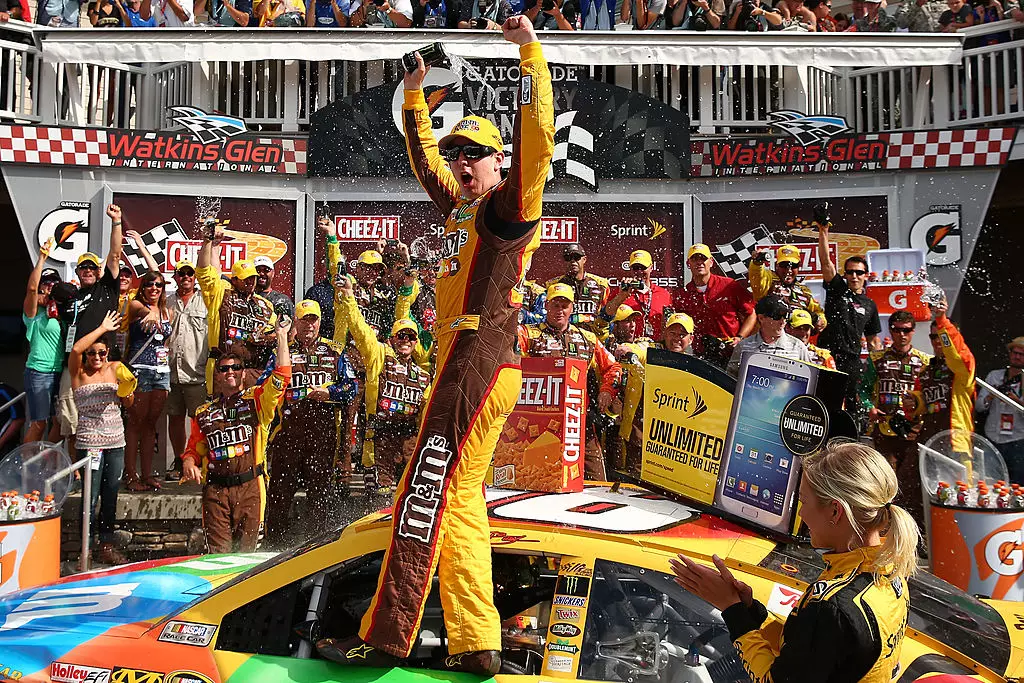
Dr Morse questioned: “Is there a possibility that he had the COVID vaccine and that increased his chance of developing a blood clot, which led to to the vomiting, the hemoptysis we call it, of blood, which then caused a significant embolism in his lung, allowing the infection to continue to muster and, and then significantly worsen, causing his death?”
While certain Covid-19 vaccines have been linked to an extremely rare risk of blood clots, research indicates the risk of clotting is significantly higher after a natural COVID-19 infection than after vaccination.
Large-scale studies from organizations including the National Institute for Health and Care Research (NIHR) have reported that the likelihood of arterial and venous clots rises notably after infection, particularly within the first week.
Richard Childress Racing has been approached for comment.