

A doctor has shared a warning for anyone considering a “hands-free” style of masturbation that uses electricity.
The practice is known as e-stimming, and it has been gaining attention online, with some users saying it can intensify orgasms during solo play and sex.
As the name implies, e-stimming typically involves placing low-voltage electrode pads or attachments on the body, allowing a controlled current to create sensation and stimulation.
A growing range of products is marketed for this purpose, from adhesive electrode pads to a c*ck ring designed to stimulate the penis, as well as devices intended for internal use.
Although enthusiasts often describe the sensations as uniquely powerful, an NHS doctor has highlighted that there are real health considerations and risks involved.
Dr Emeka Okorocha, an NHS doctor and author of Your Health in Your Hands (available on Amazon), has offered guidance for anyone thinking about trying it.

With e-stim devices, electrodes can be placed on various parts of the body — including the genitals — to produce pleasurable stimulation.
Dr Emeka said: “When it comes to electronic stimulation for orgasms, normally we’re generally talking about vibrators, and TENS based erotic stimulation devices which can have both benefits and risks depending on the type of device and how you use it.”
He added: “Vibratory simulation can help some people achieve orgasm more reliably and more consistently, this could be useful for people with reduced genital sensation, certain neurological conditions and sexual dysfunction.
“This could lead to increased sexual satisfaction, exploration of sexual preferences and reduced sexual frustration in many individuals.”
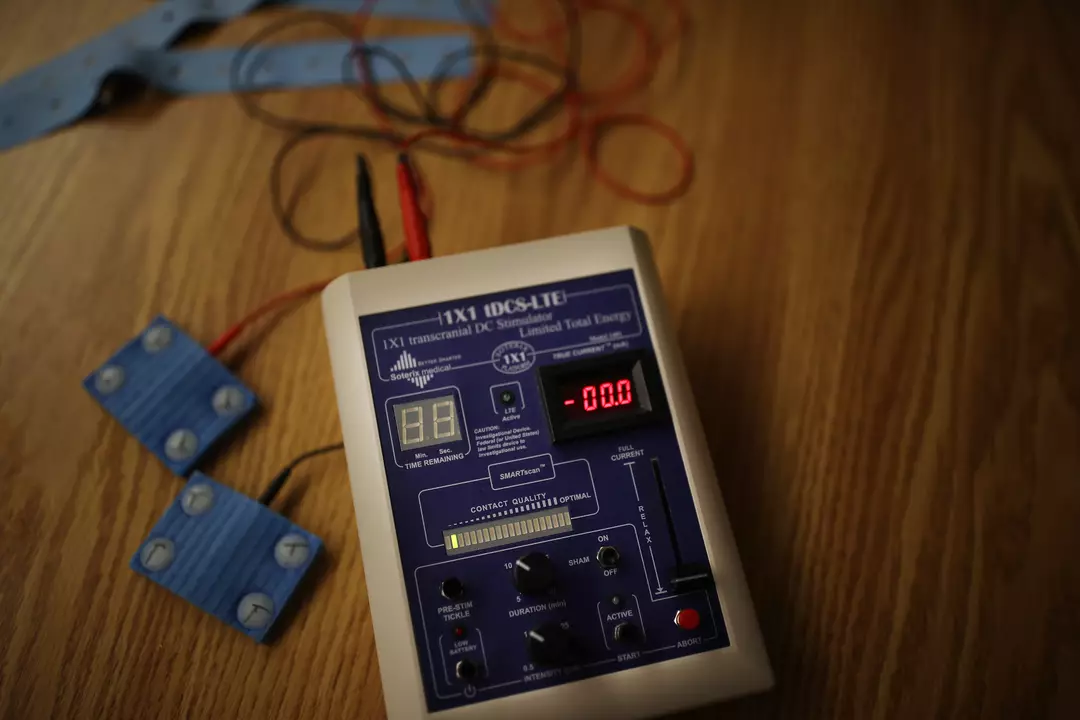
Even when a device is described as “low voltage,” electricity can still pose dangers if it’s used incorrectly or if someone has underlying health issues.
Dr Emeka noted that, even without pre-existing medical conditions, there may be unwanted side effects, including ones that could linger with repeated or prolonged use.
“The risks could include that sometimes you can have temporary numbness or decrease sensitivity after prolong stimulation, skin irritation from the friction, sometimes even minor abrasions and soreness and or allergic reactions to certain materials and lubricants,” he said.
“Electrical stimulation devices can be different than ordinary vibrators because if they pass electrical current through tissue the risks could be burns at Contact points, painful contractions, skin damage, and even nerve irritation.”
He also stressed the importance of only using devices that are specifically designed for erotic electrostimulation, rather than attempting to replicate the effect with makeshift or unregulated electrical sources.
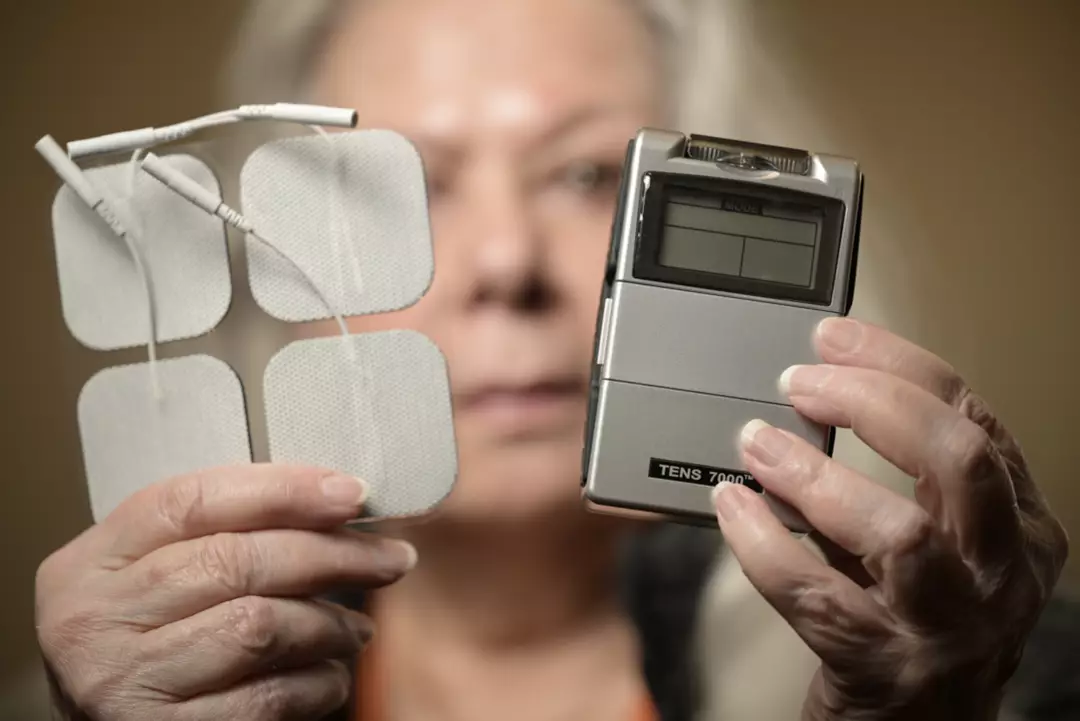
As with many sexual practices, certain medical factors can make e-stimming a bad idea for some people.
Because it involves electrical impulses, Dr Emeka warned it could interfere with implanted medical devices that regulate the body using electrical signals — such as pacemakers.
“You should definitely be seeking medical advice first, if you have an implanted pacemaker, or an ICD and implantable Cardioverter defibrillator or any other electrical medical devices,” he said.
He also advised that anyone with heart-related or neurological conditions should be particularly cautious.
He said: “Certain cardiac rhythmic disorders and neurological conditions aren’t compatible with electronic stimulation so check with your Doctor or Medical professional.”