

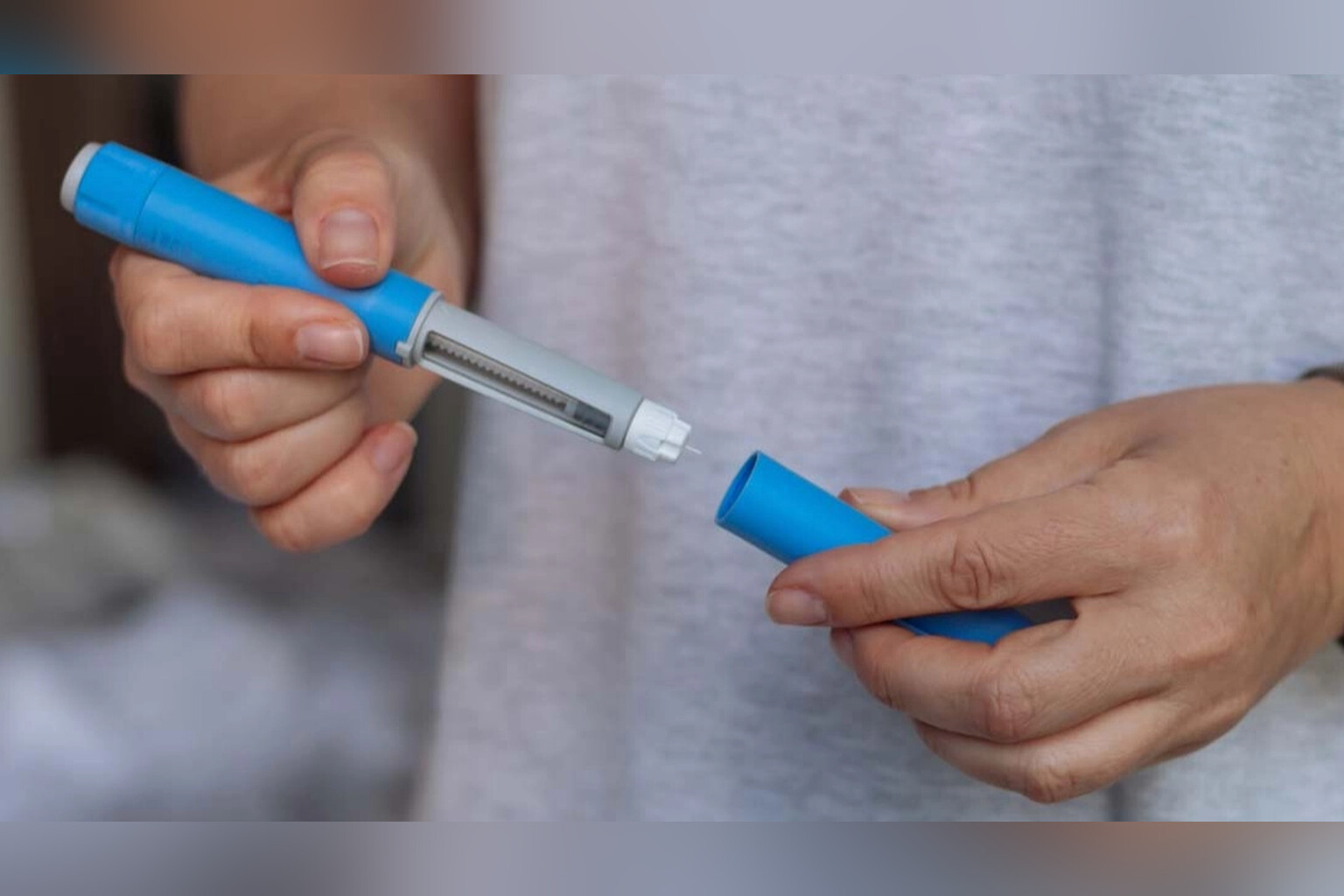
A GP is warning GLP-1 users to cut five common food categories to curb nausea and vomiting.
Dr Ann Nainan, a GP at online clinic Medicspot, issued the guidance as holiday feasting season ramps up, saying smart plate choices can make or break how patients feel on weight-loss injections. The medications, which include brands like Wegovy and Ozempic, slow stomach emptying — a mechanism that helps control appetite but also changes how the body handles certain foods.
“While all foods can be enjoyed in moderation, opting for meals that are high in fat, sugar and processed foods while taking weight loss medications can hinder results and worsen symptoms such as nausea and vomiting, which are common Wegovy side effects,” she explained.
Nainan specifically flagged ultra-processed snacks, fried and greasy items, sugary foods, high-fat meats, and alcohol as the categories to watch. She pointed to crisps, biscuits and cakes as particularly problematic picks.
“Food items such as crisps, biscuits and cakes are often seen as convenient, especially for those living busy lives. However, these snacks are often high in calories and contain next to no protein,” she said.
“GLP-1s slow how fast the stomach empties, meaning you’re more likely to experience side effects such as acid reflux and blood sugar swings if consuming these foods regularly and in large volumes.”

The delayed digestion that makes GLP-1s effective for weight loss also means fatty foods linger longer in the stomach. Nainan noted that while an occasional pizza, burger, or fried chicken piece is normal, patients should actively limit these choices while on the medications.
“Foods with high fat and grease content stay in the stomach for longer, and as GLP-1s cause delayed digestion, you’re at risk of nausea and stomach upset,” she stated.
With Thanksgiving and Christmas approaching, the timing carries extra weight. Holiday tables typically overflow with exactly the kinds of foods Nainan is cautioning against — rich desserts, fatty roasts, and flowing drinks.
“People are more likely to indulge in sweets, chocolate and fizzy drinks, which are known for being high in sugar. The main issue for GLP-1 users who consume large amounts of sugary foods is that they can cause rapid blood sugar fluctuations, which can lead to fatigue and worsening side effects,” she said.
Alcohol landed last on her list, with Nainan stressing moderation rather than total avoidance.
“The points mentioned are worsened for GLP-1 users, leading to bloating and stomach discomfort,” she continued.
“Excessive drinking can also make dehydration more likely, so remember to stick to the govt guidelines on alcohol.”
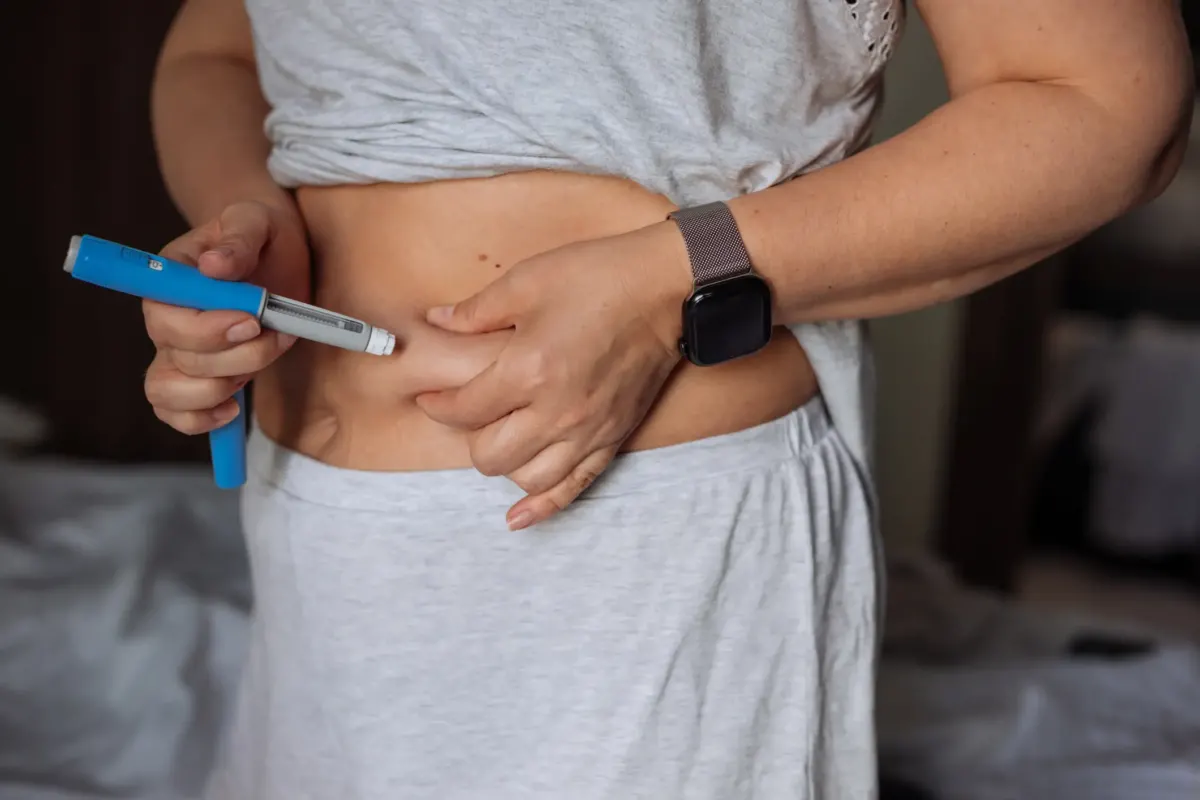
The advice arrives amid surging GLP-1 use across the US and UK, with millions now prescribed the injectables for diabetes and obesity. Side effects like nausea, vomiting, and acid reflux rank among the most common complaints from patients starting treatment, often leading some to abandon the medications entirely. Dietary adjustments represent one of the few patient-controlled variables that can ease that adjustment period.
Nainan’s guidance centers on a simple principle: the same stomach slowdown that curbs hunger also demands gentler fuel. Protein-rich, minimally processed options move through more smoothly, while dense fats and refined sugars create traffic jams that amplify discomfort.