

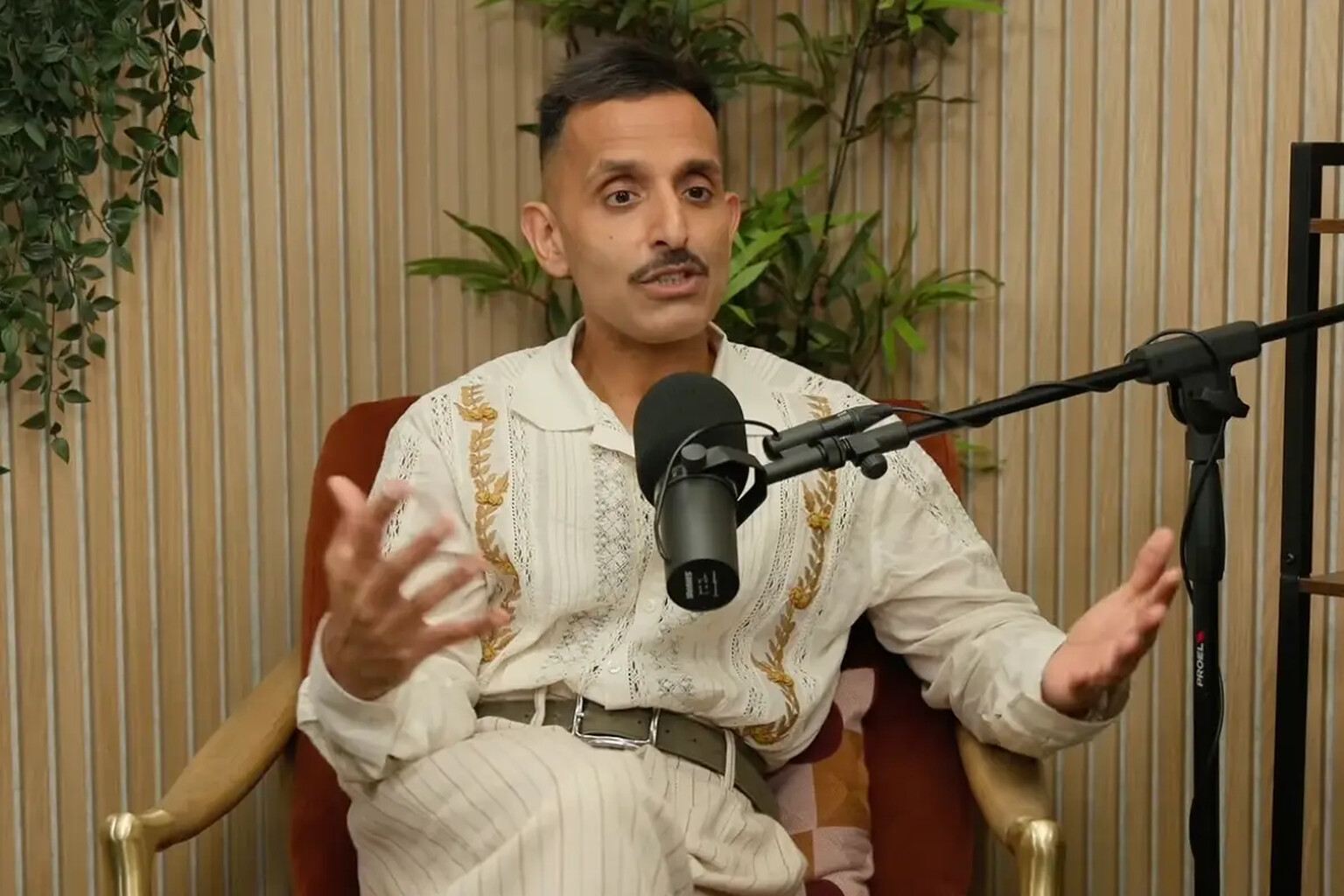
Dr. Amir Khan has warned that patients who stop GLP-1 weight loss medications risk regaining most or all of their lost weight within two years without proper nutritional support.
The British TV doctor, who appears regularly on ITV’s This Morning and Good Morning Britain, delivered the stark prognosis on his podcast No Appointment Necessary alongside co-host Cherry Healy. Khan, whose medical commentary reaches millions through his broadcast and social media presence, addressed a listener question about whether successful weight loss persists after discontinuing the drugs.
“Yes is the answer, if they haven’t done all the wraparound care in terms of getting their nutrition right,” Dr. Amir replied.
Healy pressed further, asking what happens to patients who have genuinely improved their diets during treatment — specifically whether the “food noise” suppressed by GLP-1s returns. Khan confirmed it does, and rapidly.
“What the studies show, and there have been studies on this, within four weeks your body reverts back in terms of the voices in your head, the hormones that have been changed by these drugs all revert back to what they were within four weeks,” Dr. Amir explained.
The reversal accelerates from there. Khan cited research showing patients pack on 60 percent of shed pounds within one year, with many returning to their pre-medication weight by the two-year mark.
The rebound is not merely a matter of willpower, Khan emphasized. The body’s hormonal architecture shifts quickly once the medication stops, restoring the same neurological and endocrine patterns that drove overeating before treatment.
The conversation also examined what patients actually lose while on GLP-1s — and the answer extends beyond fat. Khan distinguished between adipose tissue and lean mass, noting that muscle represents only one component of the latter category.
“When we talk about lean weight, we’re not just talking about muscle. That is one part of that. And actually, there is quite a significant loss in your lean weight loss as well as as alongside the fat,” Dr. Amir shared.
He pointed to one study in which participants shed between 20 and 40 percent of their lean weight during treatment. That composition of loss carries implications for metabolic health, physical function, and how the body behaves during and after medication use.
Khan also addressed why weight loss frequently stalls even for patients who remain compliant with their prescriptions. The phenomenon, he said, reflects the body’s defensive response to sustained caloric reduction.
“All it knows is that you are taking in less calories and that puts it into starvation mode,” he said.
“So, it will fight back. It will try and switch on your hunger hormones again. It will slow down your metabolism. So, you’re not losing weight that rapidly. It will hold on to your fat and your storage much more aggressively than it would have done before.”
The defensive mechanisms Khan described — heightened hunger signaling, metabolic slowdown, and preferential fat retention — mirror the same systems that reactivate within four weeks of stopping the drugs.
On duration of use, Khan distinguished between two patient populations. Those prescribed GLP-1s for type 2 diabetes management may remain on them indefinitely as part of chronic disease care.
“If you’re on it for type two diabetes, you can be on it for as long as you need to be on them, which can be forever because it’s managing your long-term chronic condition,” he stated.
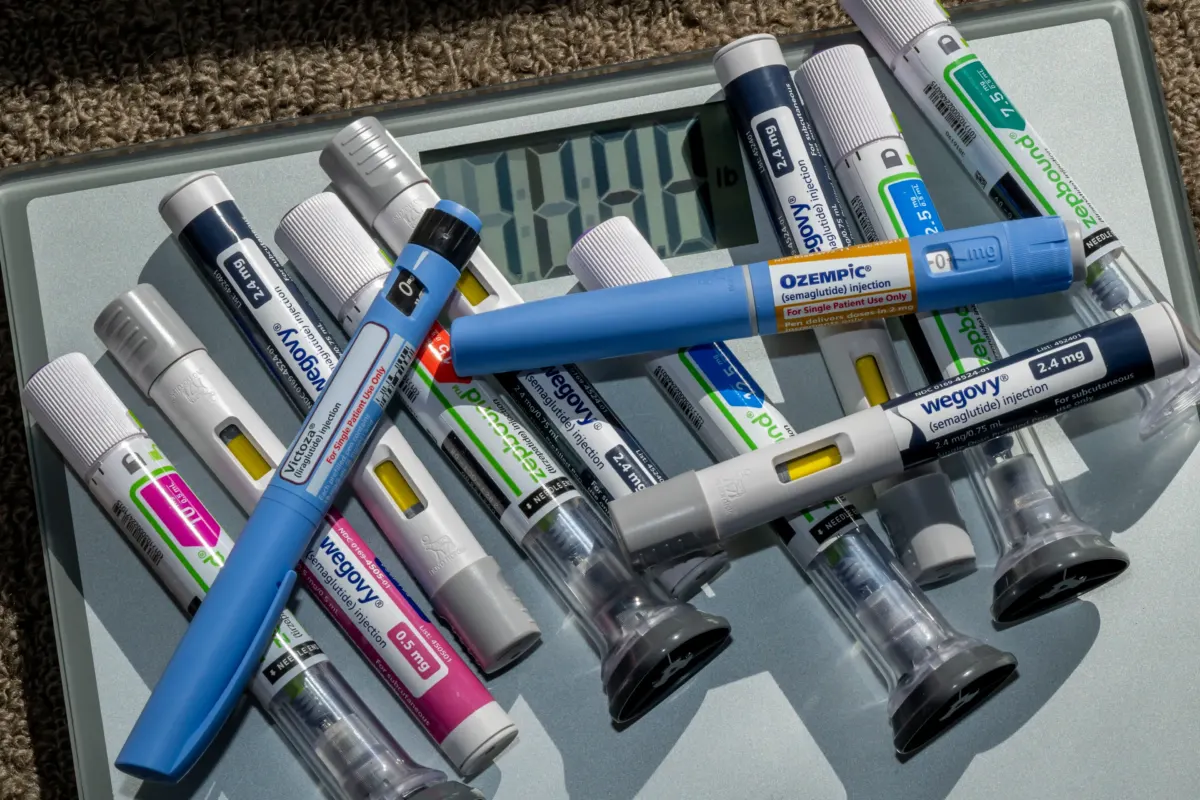
The podcast episode arrives amid surging global demand for GLP-1 receptor agonists including semaglutide (Wegovy, Ozempic) and tirzepatide (Mounjaro), which have transformed obesity treatment while raising persistent questions about long-term dependency and post-cessation outcomes.
Khan’s warning centers on a gap in the public conversation: the medications suppress appetite through pharmacological means, but sustainable change requires parallel behavioral and nutritional restructuring that outlasts the prescription.