

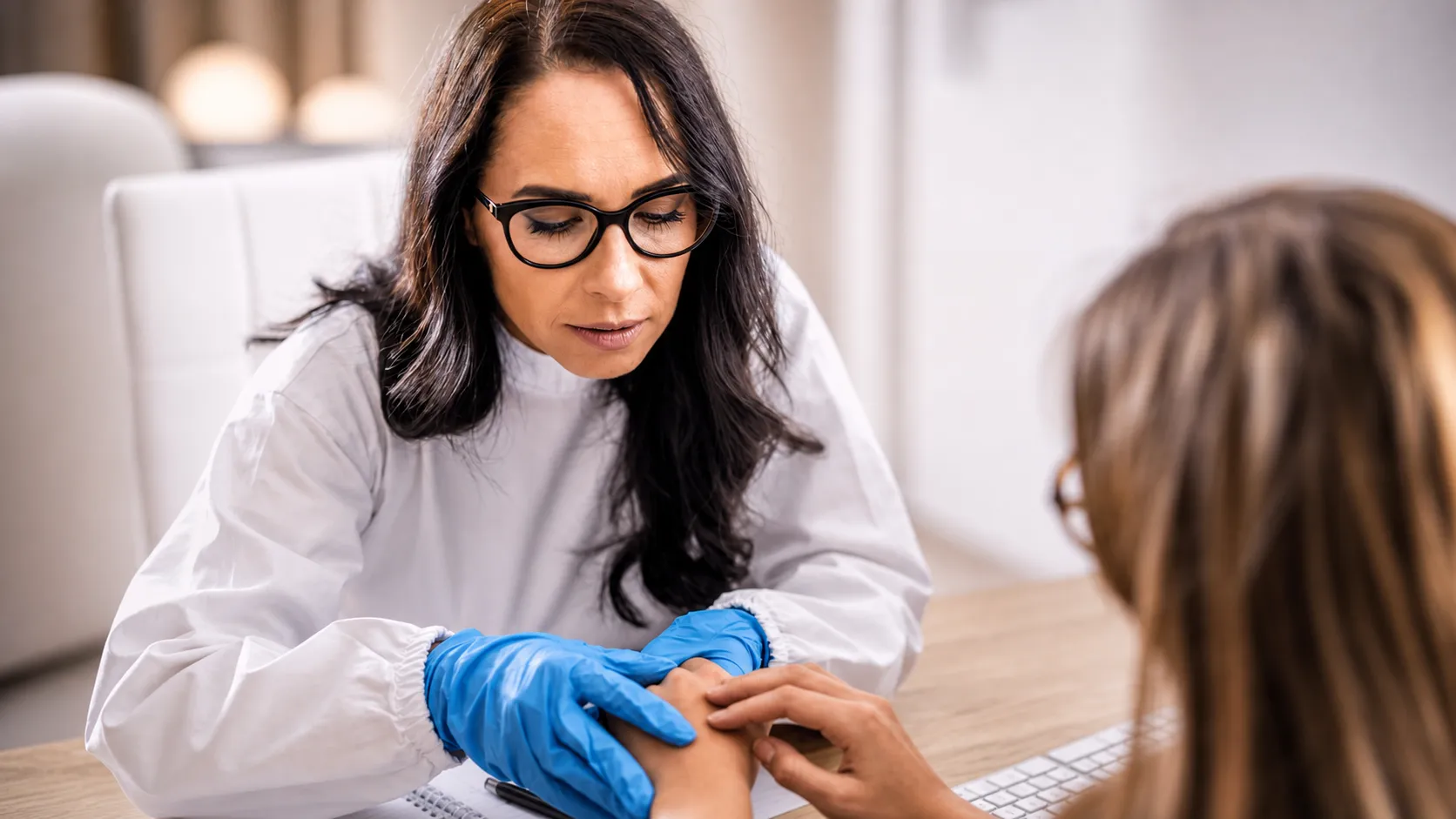
Melanoma causes most skin cancer fatalities in the United States, and doctors say many people would struggle to identify its early signs.
Two dermatologists recently outlined why this form of skin cancer is especially serious and what people should watch for in order to spot it early.
“Melanoma is considered the most dangerous type of skin cancer because it has a high potential to spread (metastasize) to other parts of the body if not detected and treated early,” said Dr. Adarsh Vijay Mudgil, a dermatologist.
While other skin cancers, including basal cell carcinoma, often remain localized, melanoma can move rapidly through the blood and lymphatic system and reach other areas of the body, according to Dr. Viktoryia Kazlouskaya, CEO of the Dermatology Circle.
Early detection makes a major difference. Current American Cancer Society estimates for 2026 say about 112,000 new melanomas will be diagnosed in the United States, and about 8,510 people are expected to die from the disease. When melanoma is found before it spreads, the five-year relative survival rate is more than 99 percent.
That rate drops sharply to 35 percent once the disease has spread to distant organs.
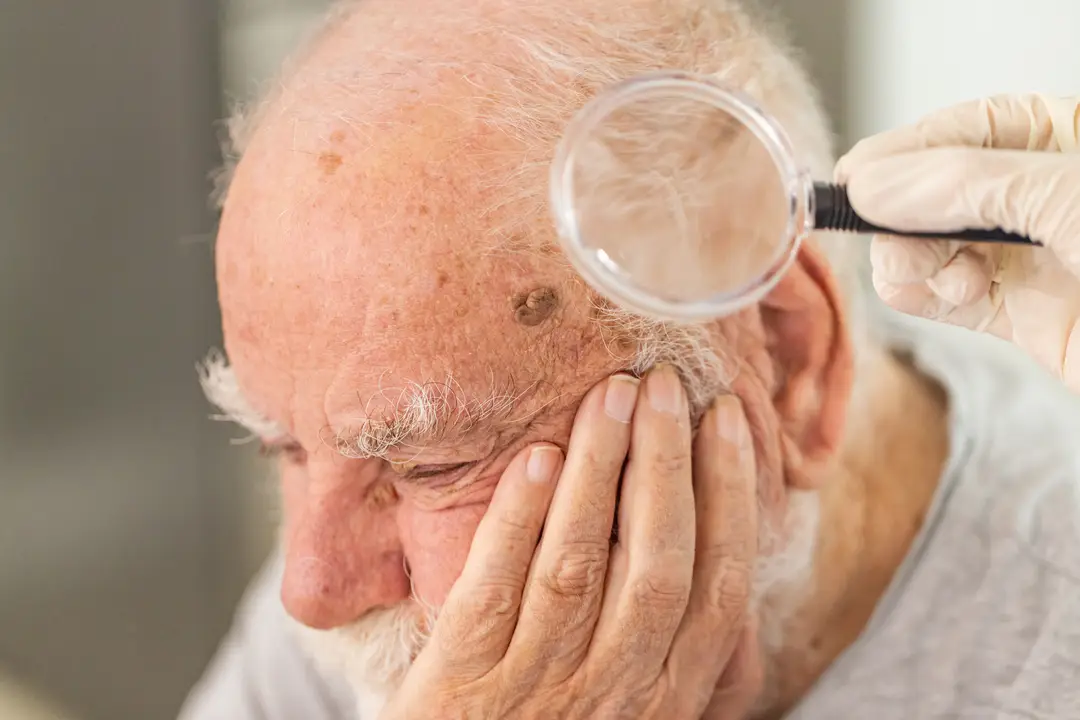
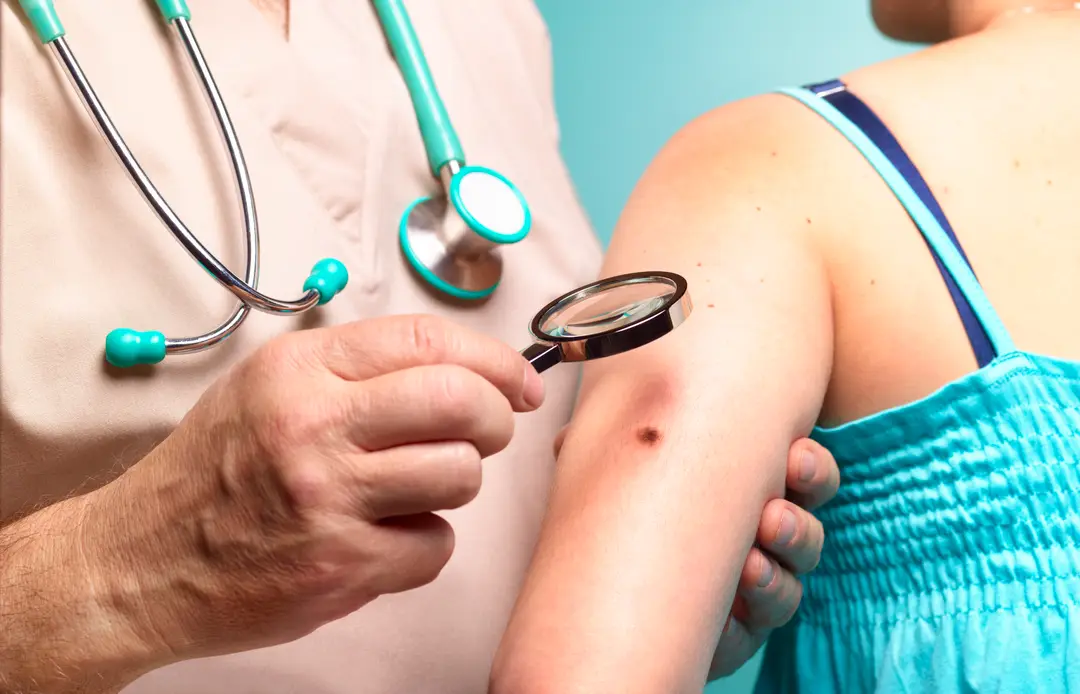
Mudgil explained that melanoma may show up as a brand-new mole, a mole that is changing, or a mark with an uneven shape, border, or color. These spots can appear in brown, black, pink, red, white, or even blue tones, and some melanomas are not pigmented at all.
He also referenced the ‘ABCDE’ guide dermatologists use when evaluating moles: asymmetry, border irregularity, color variation, a diameter greater than 6mm, about the size of a pencil eraser, and evolution, which refers to a mole that noticeably changes over time.
Other warning signs can include a spot that itches, bleeds, crusts, or looks different from a person’s other moles. Dermatologists say it is especially important to pay attention to new spots that appear after age 30.
Kazlouskaya noted, however, that visual clues are not always straightforward.
“Many common moles can be large or slightly irregular but are not dangerous,” she said. “And vice versa, melanomas are not always very atypical and sometimes don’t even have pigment.”
Mudgil said the disease can develop in people of any skin tone, though those with lighter skin face a greater risk.
According to the American Cancer Society, the lifetime risk is about 3 percent, or 1 in 33, for White people, compared with about 0.1 percent, or 1 in 1,000, for Black people. Even so, experts stress that melanoma in people with darker skin is often diagnosed later, in part because it can appear in less obvious places such as the palms, soles, inside the mouth, or under the nails.
One subtype called acral lentiginous melanoma is especially important to watch for in darker skin tones. It can look like a dark patch on the palm or sole, or as a brown or black vertical streak under a fingernail or toenail.
The likelihood of diagnosis also rises with age, with the average age at diagnosis being 66. Even so, melanoma is still among the more common cancers in people younger than 30, especially young women.
Additional factors that can increase risk include being male, having numerous moles, a family history of melanoma, and experiencing severe sunburns during childhood.
Both specialists said that everyday sunscreen use, protective clothing, steering clear of indoor tanning beds, and annual skin exams with a dermatologist are among the most effective ways to reduce risk.
“If you see something unusual on your skin, get in to see a board certified dermatologist ASAP,” Mudgil said.