


A doctor has shared a stark warning about a certain kind of headache that should never be brushed off, advising people to get urgent medical help if it strikes.
Headaches come in many forms, including common tension headaches, those triggered by caffeine, and cluster headaches that can cause intense pain around or behind one eye.
In most cases, head pain is temporary and not a sign of anything serious. However, clinicians stress that one specific type can be linked to a medical emergency and needs immediate assessment.
It’s known as a thunderclap headache. According to Mayo Clinic, the sensation often matches the name, “striking suddenly like a clap of thunder”.
Although considered uncommon, symptoms can include an extremely sudden and severe headache that reaches maximum intensity within 60 seconds, sometimes alongside nausea or vomiting.

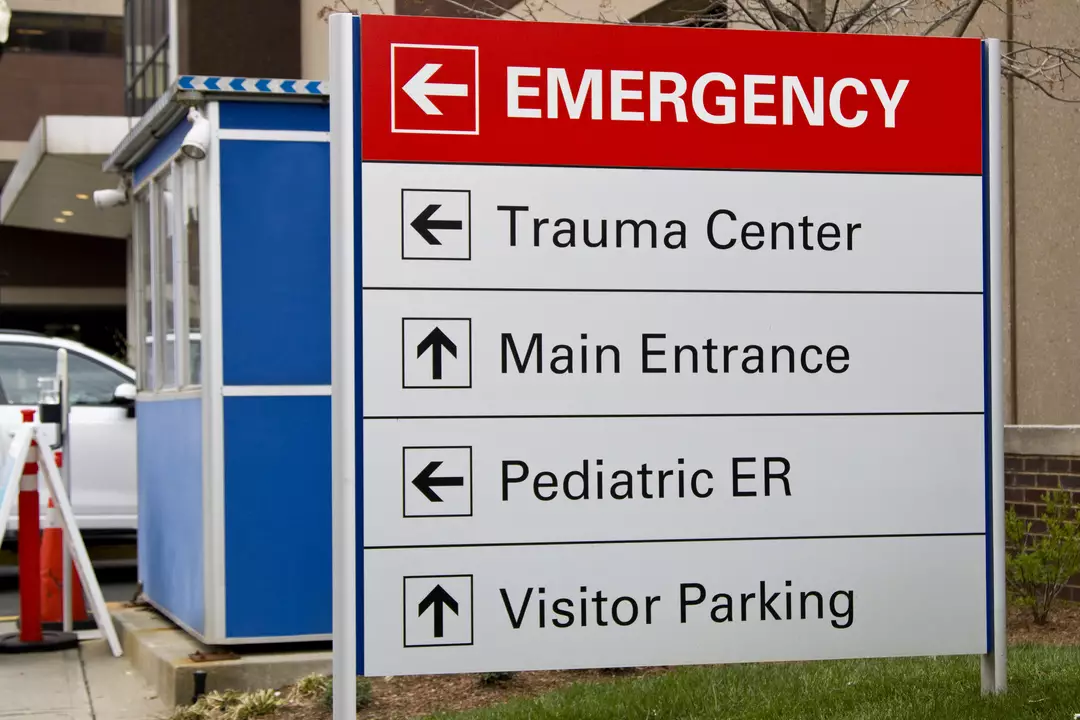
Dr Amir Khan – who has previously shared his tips on how to fall back asleep if you keep waking up at 3am – encouraged anyone experiencing a thunderclap headache to treat it as an emergency and go straight to the ER.
Speaking on his No Appointment Necessary podcast, which he co-hosts with Cherry Healey, he said: “A sudden bleed in the brain is a very different presentation. It’s called a thunderclap headache. It feels like you’ve been hit in the back of your head by a cricket bat.
“It is so awful. If that happens to you, you must just go to A&E, call 999, get someone to drive you to A&E, because that could be a bleed. And that needs an urgent scan and sorting out ASAP.”
Mayo Clinic notes that there are a number of potential causes behind thunderclap headaches, some of which can be serious and require immediate investigation.
The consistent guidance from medical organisations is that any headache that comes on abruptly and with severe intensity should be treated as a reason to seek urgent medical care.
To determine what’s going on, clinicians may use imaging such as a CAT scan, and testing like a spinal tap (lumbar puncture), according to the American Migraine Foundation. In other situations—particularly when the headache is no longer in its earliest stage—additional imaging such as MRI and vascular scans (MRA or CTA) may be considered.