

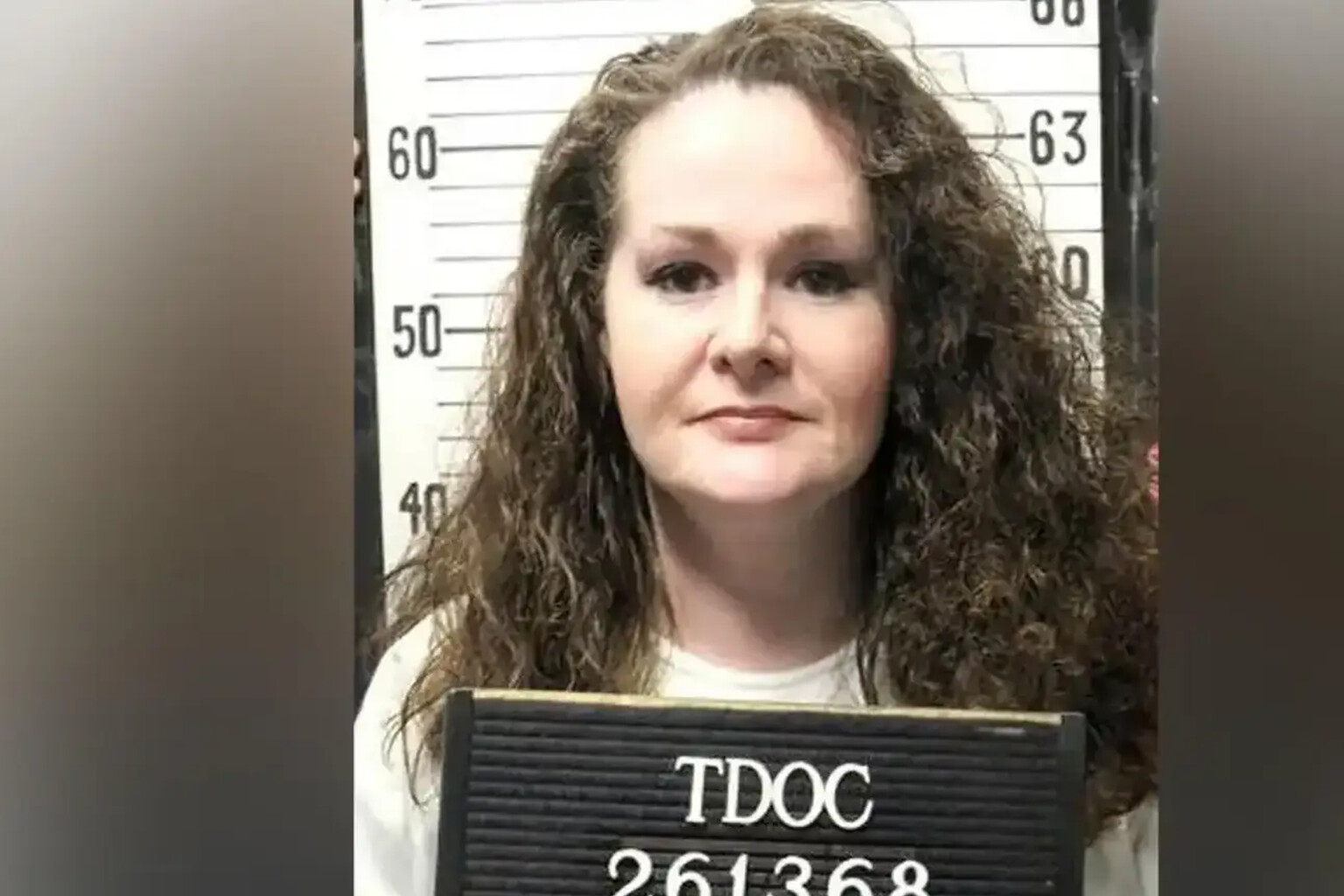
Dr. Mark Fowler has spoken publicly for the first time about Christa Pike’s botched execution.
Fowler, 69, was the physician assigned to oversee Pike’s scheduled lethal injection in Tennessee on September 30. His formal role was limited to pronouncing the 50-year-old inmate dead once the drugs had done their work, though he has sometimes been called upon to place IV lines in more complicated cases. He gave his account to Intelligencer, describing how the warden informed him that Pike remained alive after the procedure began.
“I thought, ‘Well, in human beings there’s a spectrum of responses to medications and we’ll give it a few more minutes,'” Fowler recalled.
That patience proved misplaced. Another thirty minutes elapsed and Pike still had not died, prompting Fowler to fear a catastrophic outcome. He had predicted she would end up “in a permanent vegetative state with a quarter-million dollars in medical expenses.”
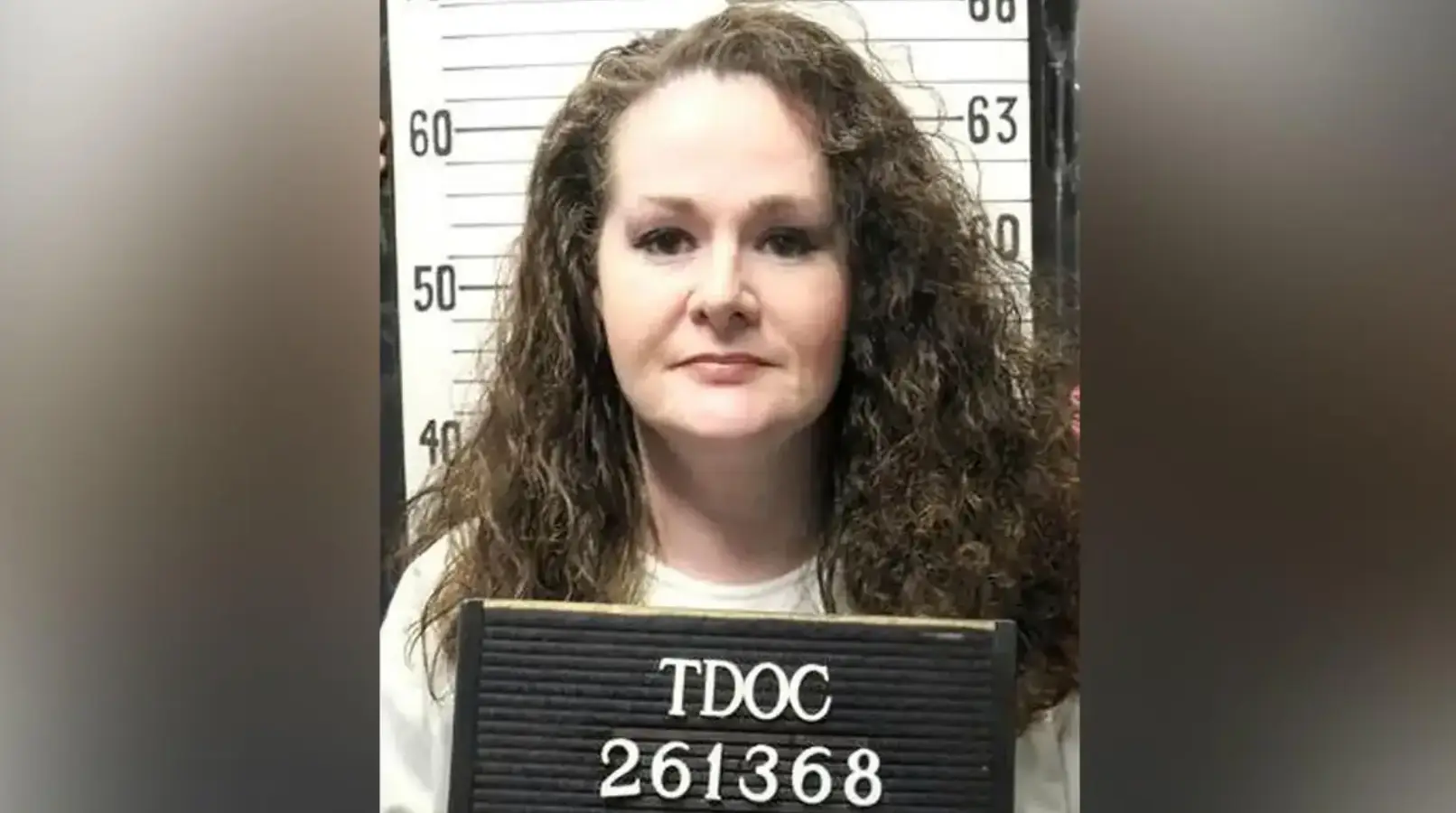
Pike had in fact fallen into a coma before the deputy commissioner intervened to halt the execution. Fowler’s purpose at the facility then inverted entirely: the man who was there to certify death became responsible for preventing it. He ordered an oxygen tank for Pike, who was transported to Vanderbilt University Medical Center in Nashville. At the hospital, she was placed on a ventilator and treated for severe burns and blistering on her arms.
The medical failure, Fowler explained, stemmed from an improperly inserted IV. He noted that a thin plastic sheath can clog or become dislodged, or the pressure of medication delivery can cause it to fold inward. Whatever the specific mechanism, the drugs were delivered to the subcutaneous tissue of Pike’s arms rather than entering her bloodstream.

Fowler remains unapologetic about his participation in capital punishment and maintains that Pike should still be executed. He framed his stance as a matter of justice for the family of Colleen Slemmer, whom Pike was convicted of murdering in 1995.
The physician addressed the criticism he has faced since the failed procedure, acknowledging that some have questioned why he does not simply withdraw from execution work. He offered a direct response to that pressure in his Intelligencer interview.
“People will say, ‘Why don’t you just walk away from this?’ And the answer is, that’s exactly what the advocates against the death penalty want,” Fowler said. “They felt that if they could humiliate me I would step back from it — because I promise you, there ain’t anybody else in Tennessee going to sign up for it now — and the answer is, I cannot be pushed off a course that I find correct. I refuse to compromise.”
Fowler also defended his personal character against what he suggested were attacks on his professional ethics and competence. “I’m not an evil, vicious person,” he insisted. “I’m not unscrupulous, I’m not uncaring, and I’m not incompetent.”
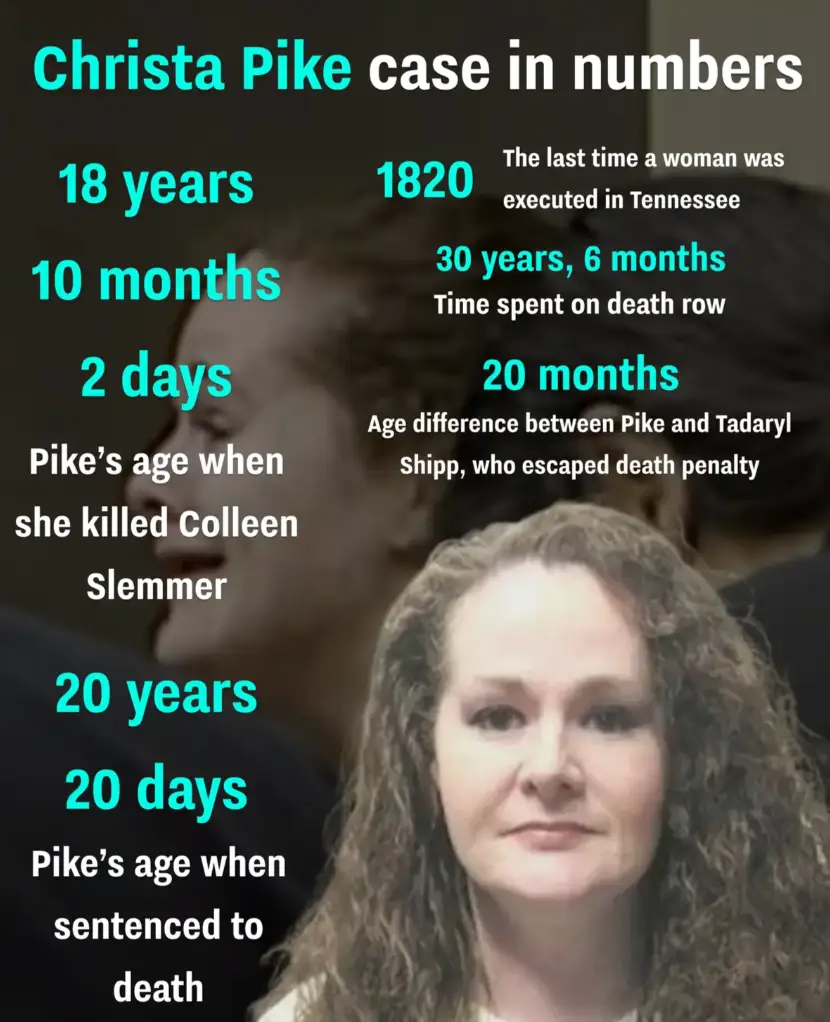
Pike was 18 when she and an accomplice lured 19-year-old Colleen Slemmer to a remote spot near the University of Tennessee campus in Knoxville. Slemmer, a fellow Job Corps student, was tortured and bludgeoned to death with a chunk of asphalt in a killing prosecutors said was motivated by jealousy. Pike was sentenced to death in 1996, becoming the youngest woman on death row in the United States at that time.
The fallout from the September 30 botched execution extended beyond Fowler. Tennessee’s prison chief resigned just three days later, and the state subsequently paused scheduled executions pending review of its lethal injection protocols.