

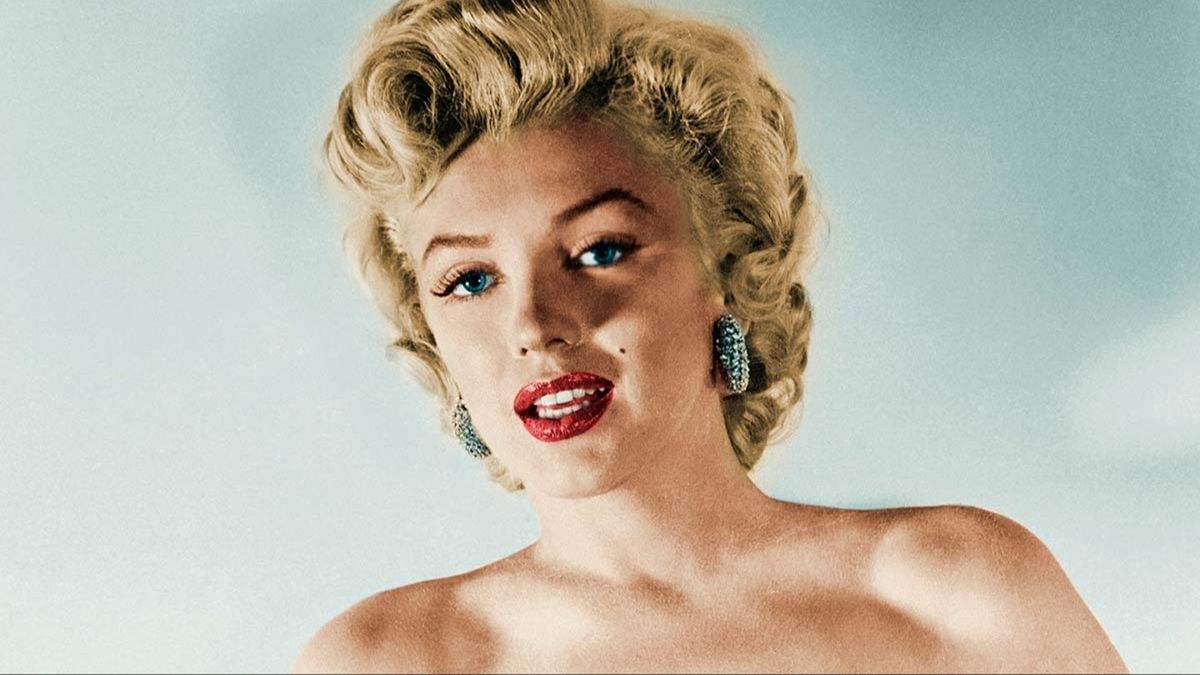
More than 60 years after Marilyn Monroe’s death, the doctor who performed her autopsy has revisited the case and the conclusion he reached.
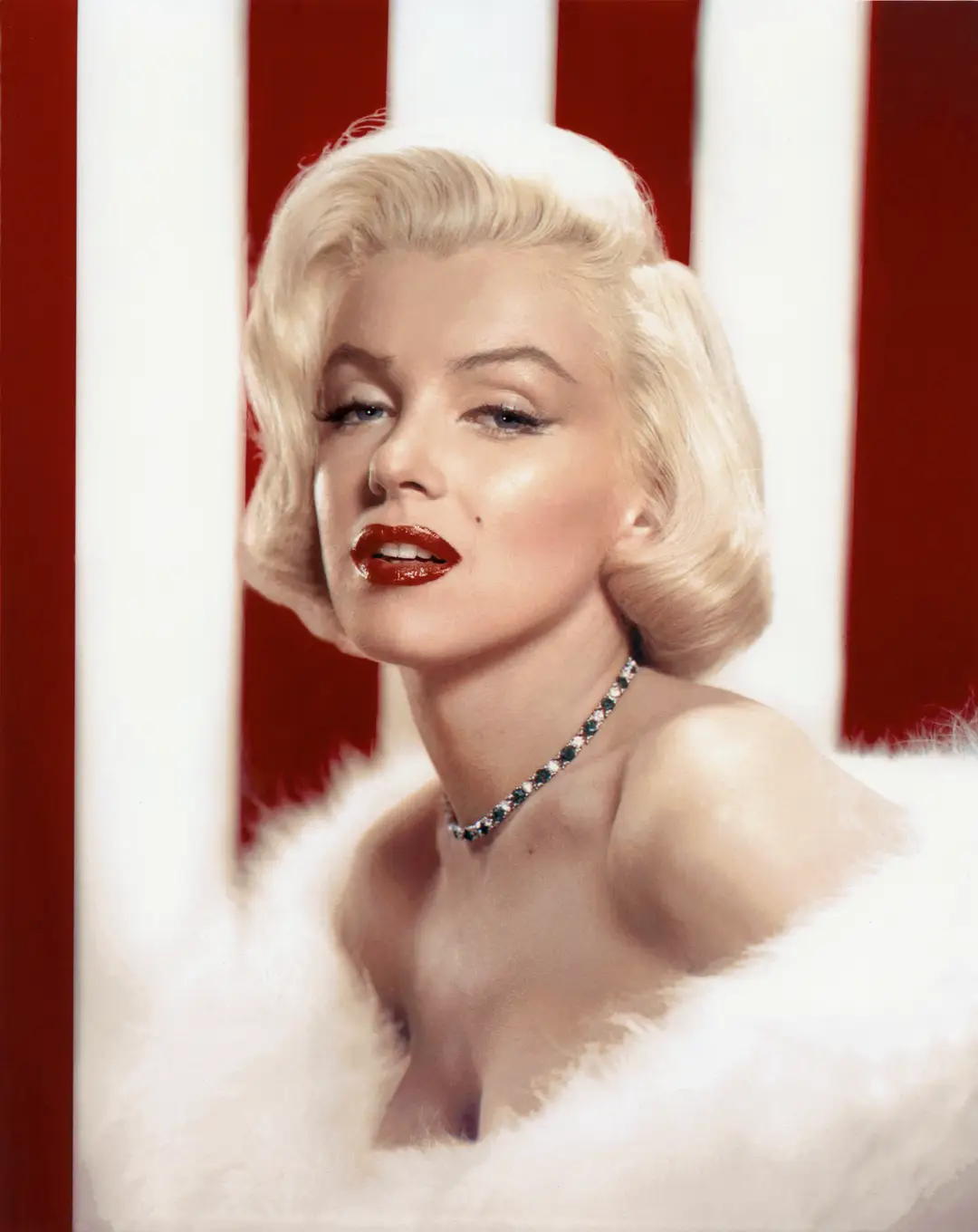
Marilyn Monroe died in 1962 at the age of 36. Her body was discovered in the Brentwood home where she lived, and the death quickly became one of the most scrutinized in Hollywood history.
In the period leading up to her death, Monroe had been struggling with serious mental health issues, had experienced bouts of insomnia and depression, and had a documented history of prescription medication use and prior overdoses. Those details, along with the circumstances of her death, helped fuel speculation almost immediately.
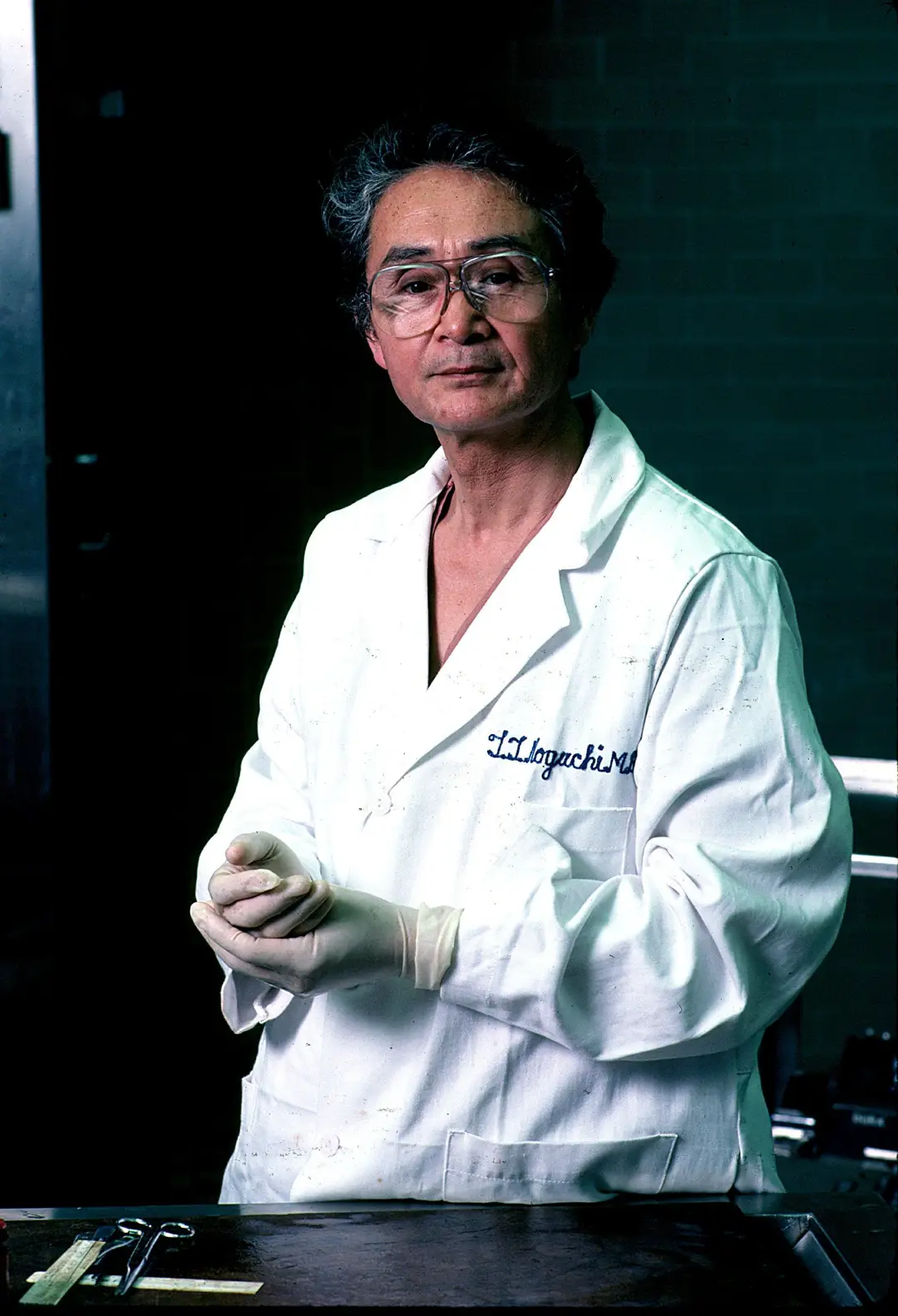
After she was discovered dead at her Brentwood home, Dr. Thomas Noguchi was assigned to investigate and carry out the autopsy on the Some Like It Hot actress.
Noguchi studied at Nippon Medical School in Japan before later completing training at Orange County General Hospital in California.
He began working at the Los Angeles County medical examiner’s office in 1961, and by the following year he was handling one of the most high-profile deaths in entertainment history.
Reflecting on the case, Noguchi, now 99, said: “It was a challenging assignment.
“We conducted not only a coroner’s investigation but requested to have a panel of experts on suicide prevention and suicide determination, and that way [there was] a more scientific determination.”
The autopsy and toxicology findings pointed to acute barbiturate poisoning, and Monroe’s death was classified as a probable suicide. Even so, the absence of a clear note and the intense public fascination surrounding her life ensured the case would be debated for decades.
Variety also covered Monroe’s death at the time in August 1962, writing:
“Marilyn Monroe, who often tried without success to shut herself off from the world, early yesterday did so. The 36-year-old actress was found dead in bed in her Brentwood home, apparently the victim of an overdose of sleeping pills.
“A telephone receiver dangled from her lifeless hand, and near the bed police said they picked up an empty bottle that had contained about 50 nembutal capsules a few days ago.”
Even decades later, debate around Monroe’s death has not disappeared, with some theories claiming she was murdered rather than that she took her own life.
Among those who argued there may have been foul play was Norman Mailer, author of Marilyn: A Biography. In that book, he suggested Monroe may have been killed to hide her rumored relationship with Senator Robert F. Kennedy.
The Mystery of Marilyn Monroe: The Unheard Tapes, a Netflix documentary released in 2022, echoed a similar theory. In it, journalist Anthony Summers claimed RFK had a heated breakup argument with Monroe just hours before she died and alleged that he was among the last people to see her alive.
Despite those claims, Noguchi said his view of the case has not changed and that he still stands by the ruling of ‘probably suicide’.
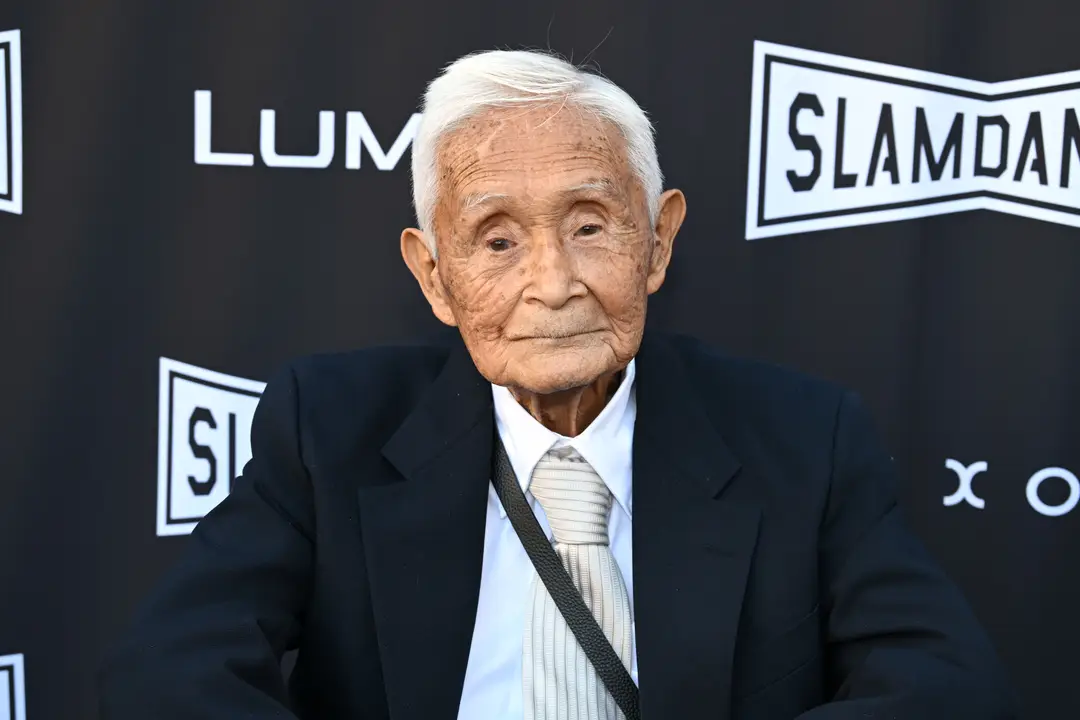
“Well-known cases attract rumors and exaggerated stories regarding the investigation, and people tend to believe what they hear,” he said.
“It’s my job to conduct an investigation and an autopsy, and to come to a scientific determination of the cause of death rather than speculation.”
Monroe’s death has remained a focus of popular fascination in part because she was not only one of the biggest stars of the 1950s and early 1960s, but also because the circumstances around her final hours were never simple or tidy. In the years since, books, documentaries and repeated tabloid retellings have kept conspiracy theories alive, even as the official ruling has stayed the same.
If you or someone you know is struggling or in a mental health crisis, help is available through Mental Health America.
Call or text 988 or chat 988lifeline.org.
You can also reach the Crisis Text Line by texting MHA to 741741.