

Warning: This article contains discussion of cancer and graphic images which some readers may find distressing.
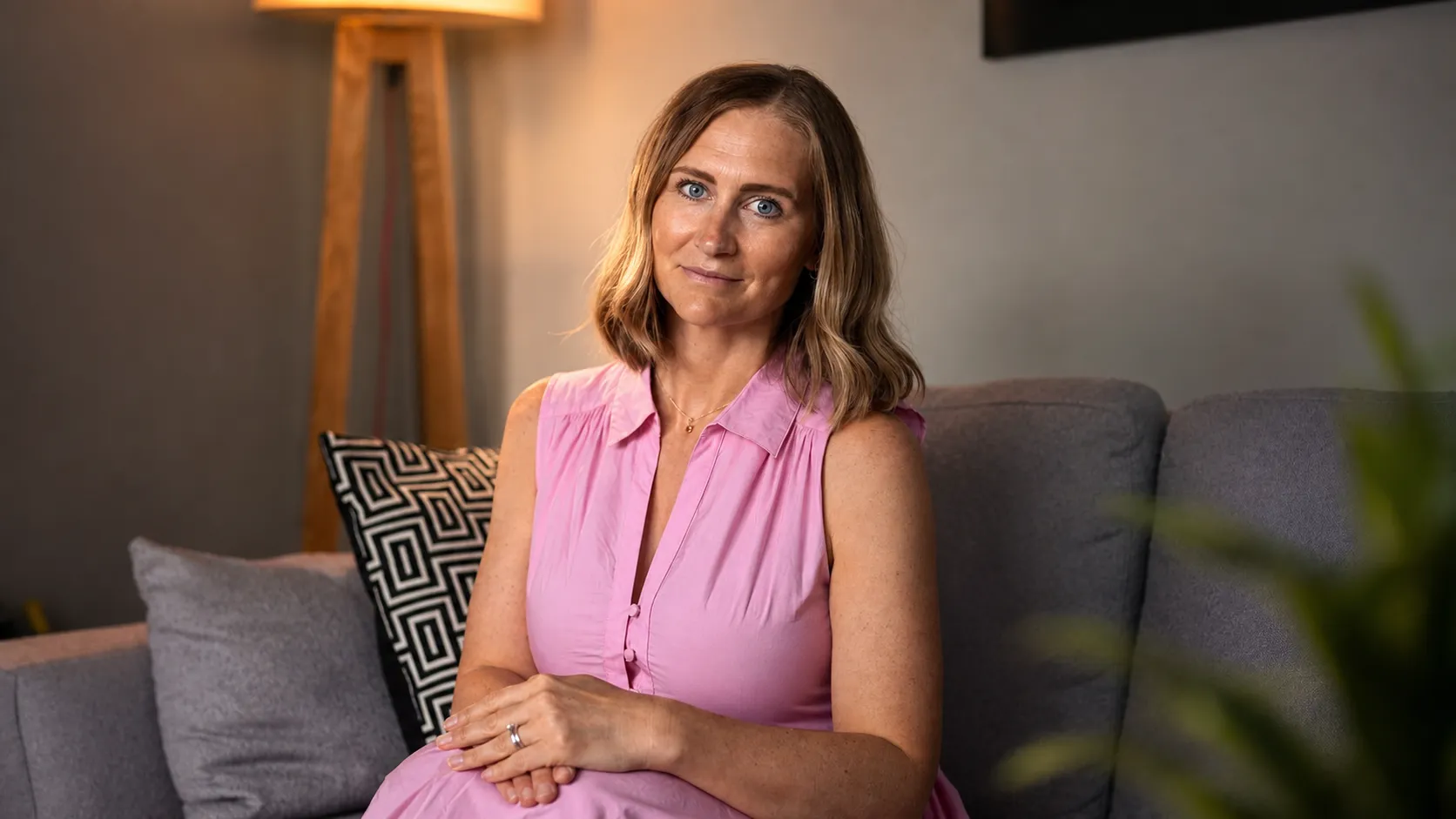
A 37-year-old woman has shared how she was eventually diagnosed with cancer after earlier concerns were put down to a hernia, with doctors reportedly saying she was too ‘fit and young’ to have anything more serious wrong.
Lydia Southam, from Stratford-upon-Avon in England, first sought medical advice in 2021 after dealing with persistent bloating, frequent urination, heavy periods and lumps in her stomach.
Those are all symptoms that can be associated with ovarian cancer, which is often difficult to detect early because the signs are vague and can be mistaken for more common conditions such as digestive problems, urinary infections or benign cysts. Ovarian cancer is also much harder to find in its early stages, with only around one in five cases discovered before it has spread.
At the time, Lydia said she was still active and otherwise seemed well, continuing to go to the gym and carry on with normal life despite symptoms that were becoming harder to ignore.
She said her worries were initially brushed aside. Later, while pregnant, the pain became worse and she noticed a lump on her stomach as well as ongoing urinary issues.
“As a woman you’re just told to deal with these symptoms, you have to power through. Because the GP wasn’t concerned, I wasn’t concerned,” she told SWNS.
Lydia continued returning to her doctor as the symptoms failed to go away, making what she said were around 10 visits before she was finally sent for urgent testing two years after first raising the issue.
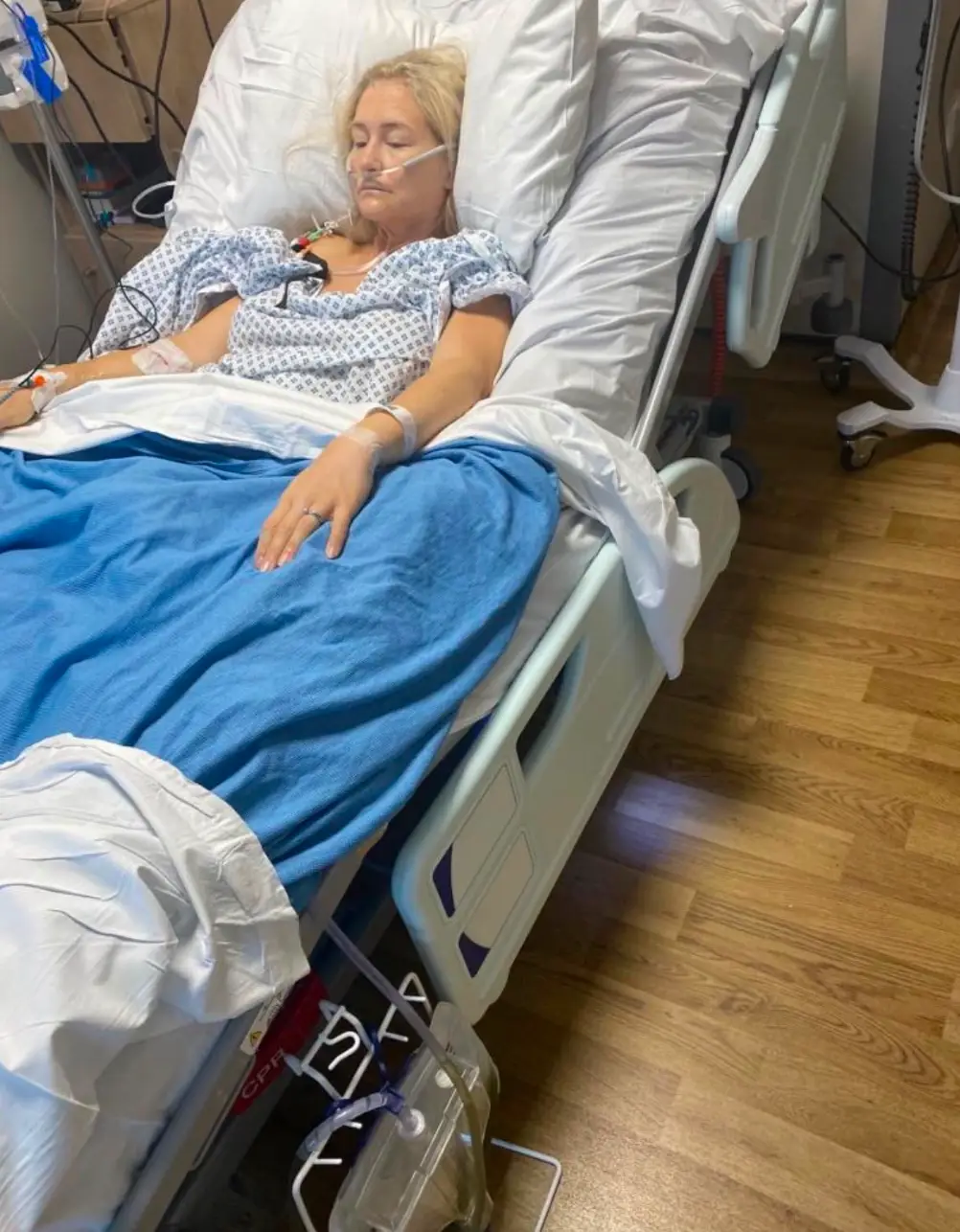
She said that months later, new symptoms appeared and the situation escalated.
“Fast forward another six months I had some spots that turned up on the right hand side of my abdomen.
“I then went back in when I found a lump, which looked like a hernia on my tummy. They just told me it was a hernia, they did no scans, and booked me in for an operation.”
After discovering additional lumps, including one in her groin, Lydia returned again and was seen by a female GP who she said realised something was wrong.
Even then, Lydia said she was told ovarian cancer was unlikely because it generally affects older women, and that she was considered too young and fit. That may be a common assumption, but ovarian cancer can affect younger adults too, and symptoms in younger women are often dismissed because they overlap with many less serious conditions.
In June 2023, following a referral to Warwick Hospital, she was diagnosed with stage 4B low-grade serous ovarian cancer.
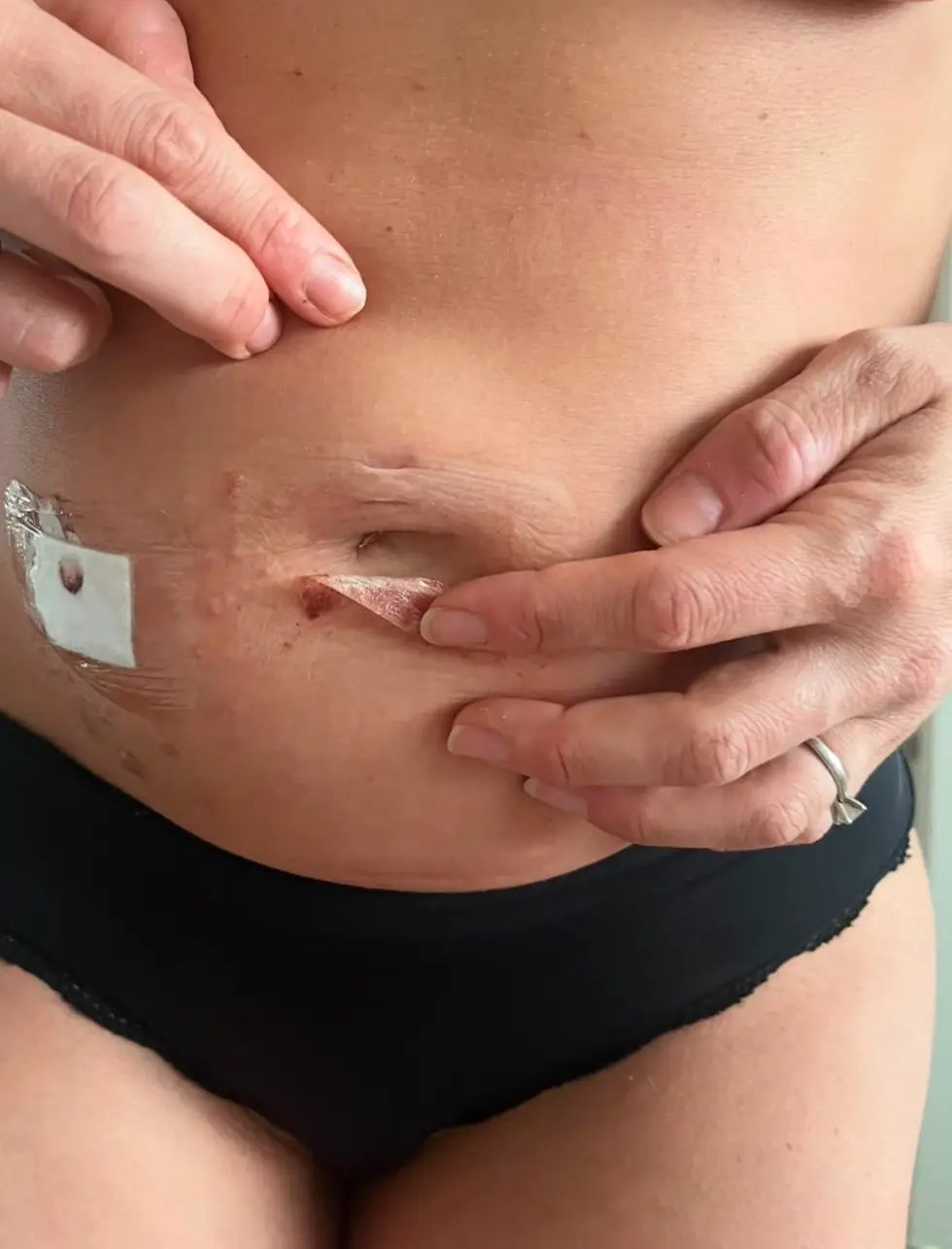
“I saw a doctor who did a further biopsy of those lumps,” she continued. “It transpired that it was stage 4b low grade, so it was very advanced. It was awful to be honest.”
Lydia also spoke about the shock of hearing the diagnosis and what went through her mind immediately afterward.
Lydia recalled: “My first thought was I need to be here for my kids. The nurse said she didn’t know if there was much they could do.”
She later chose to seek private treatment and found a specialist surgeon who carried out a full hysterectomy, as well as removing her spleen, parts of her bowel, part of her belly button and part of her diaphragm. Lydia said the spread of the disease was explained to her as being like seeds scattered throughout the body.
“It was a very extreme operation,” she added, but thankfully, the surgeon managed to ‘get it all’.
Now, Lydia is sharing her story to increase awareness of LGSOC, a rare form of ovarian cancer that often affects women between the ages of 40 and 60. Unlike the more common high-grade type, low-grade serous ovarian cancer is generally slower-growing and can respond differently to treatment, which is one reason specialist care is often important.
Ovarian cancer symptoms can include bloating, abdominal or pelvic pain, feeling full quickly, and urinary changes such as needing to urinate more often or more urgently. Heavy or irregular bleeding can also be a warning sign, especially when symptoms are persistent or happen together rather than on their own.
If you’ve been affected by any of these issues and want to speak to someone in confidence, contact the American Cancer Society on 1-800-227-2345 or via their live chat feature, available 24/7 every day of the year.