


Medical professionals have issued a caution regarding a side effect of a widely used medication.
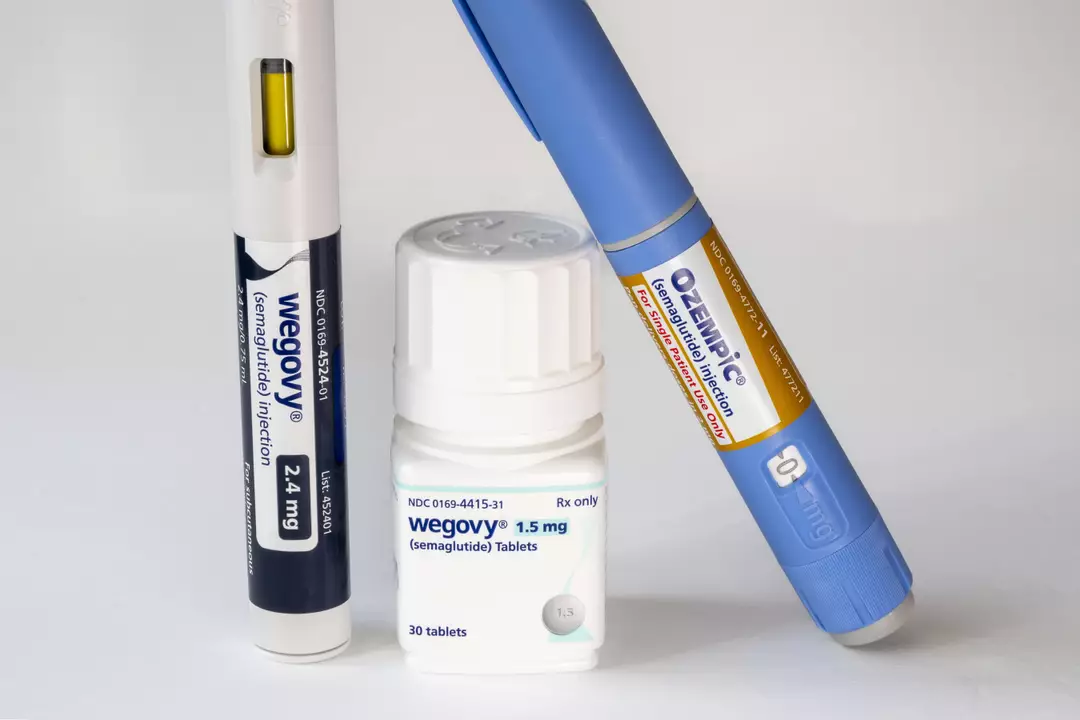
Semaglutide treatments such as Ozempic and Wegovy have gained significant attention on the internet for their effectiveness in managing diabetes, along with their added benefit of aiding in weight loss.
While Ozempic is not officially sanctioned as a weight-loss medication and is primarily used for diabetes treatment, its ability to suppress appetite means that, when paired with diet and exercise, it can assist in weight reduction.
However, a concerning side effect has been brought to light by healthcare specialists, potentially impacting patients who are using this medication.
Side effects are a common aspect of nearly all medications, even those as routine as paracetamol, and healthcare providers and patients must weigh the benefits against the risks.
So, what is this side effect?
The UK government website notes: “It typically causes sudden, painless vision loss, usually in one eye that is often described as a blurring or cloudiness of vision.”
A 2025 study investigated vision complications in U.S. patients, including those in Utah, Minnesota, New York, West Virginia, and Ohio, who were using semaglutide.
The research revealed that the average age of those affected was 57, with 56 percent being women.
One case involved a woman in her 50s who experienced ‘painful vision loss’ in her left eye following her first dose of the medication.
The UK’s Medicines and Healthcare products Regulatory Agency (MHRA) also highlighted the risk in a statement.
It advised: “Patients taking semaglutide who notice a sudden change in their eyesight, such as sudden impairment to their vision, or if eyesight gets worse very quickly in one or both eyes, should urgently attend eye casualty or A&E.”

Approximately 1 in 10,000 patients taking semaglutides might experience this side effect, making it a relatively rare occurrence.
MHRA chief safety officer Dr. Alison Cave stated: “While the potential risk of NAION (non-arteritic anterior ischemic optic neuropathy) for patients prescribed semaglutide is extremely small, it is important that patients and healthcare professionals are alert to the associated symptoms.”
A spokesperson for Novo Nordisk expressed: “Patient safety is our top priority, and we take any reports about adverse events from the use of our medicines very seriously. We work closely with authorities and regulatory bodies from around the world to continuously monitor the safety profile of our products.”
The statement further mentioned: “Based on the totality of evidence, we concluded that the data did not suggest a reasonable possibility of a causal relationship between semaglutide and NAION and Novo Nordisk believes that the benefit-risk profile of semaglutide remains favourable.”