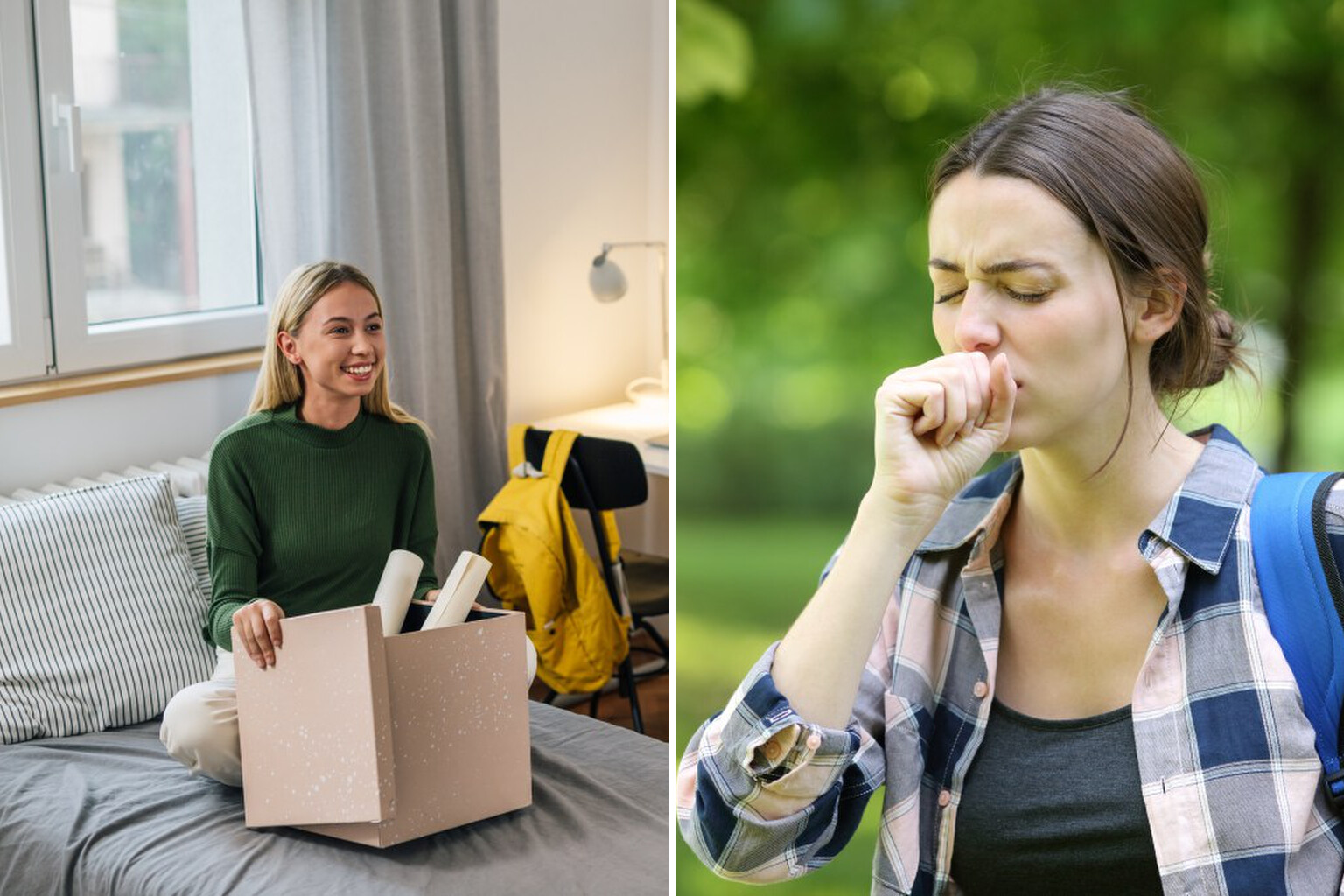
Doctors are sounding the alarm about mold poisoning in college dorms as students settle in for the fall semester.
The warning comes amid a wave of litigation against universities nationwide. In July, 48 students sued Dallas Baptist University, alleging administrators knowingly housed them in mold-contaminated residence halls. At Sewanee University of the South, students filed a $35 million suit claiming mold growth caused asthma and nosebleeds. Similar cases have hit Lipscomb University and Spring Hill College, and experts say the problem is intensifying.
“This is especially true on older, more prestigious campuses,” Dr. Alan W. Gruning, President and Medical Director of the International Center for Health and Wellness, told The Post. “High humidity, poor maintenance, contaminated air conditioning systems, hygiene issues and rampant leaks make this problem an epidemic on college campuses.”

Gruning noted this “huge issue” is “getting worse over time as the buildings age and more hurricanes and flooding occur.” The stealth nature of mold poisoning makes it particularly dangerous on campuses. Symptoms like recurring colds and headaches are frequently dismissed as “dorm flu” — the familiar cocktail of infections spreading between students, sleep deprivation, and academic pressure. That misattribution means “severe infestations can go unresolved for months,” explained Dr. Racheal Onah, a consulting physician at RealTime Labs.
Mold exposure typically begins with irritated eyes, skin, stuffy nose, sinus pressure, cough, and headache. For sensitive individuals, it can escalate to debilitating fatigue, brain fog, joint pain, heart palpitations, and gastrointestinal distress.
“In extreme cases, high toxic loads can trigger neuroinflammation, cognitive dysfunction, neurodegenerative patterns, severe immunosuppression, and even liver and kidney damage,” Onah said.
The timeline varies dramatically — symptoms may surface within days or take months to manifest. Gruning says certain people carry a genetic vulnerability: those with “Biotoxin Illness” or “Chronic Inflammatory Response Syndrome (CIRS)” possess an immune deficiency that leaves them susceptible. “It results in chronic inflammation and a host of symptoms that can be misdiagnosed and misinterpreted,” he said. The CDC classifies the most severe cases as “invasive mold infections” or IMIs, noting they are “rare but cause severe, life-threatening illness.”
For students still unpacking, Gruning recommends a three-step screening process for mold. Those already moved in should pay close attention to patterns.
“Take photos of mold growth, stains, water damage and condensation, and seek a medical evaluation, especially if the symptoms are persistent or severe,” Onah advised. She pointed to urinary mycotoxin testing through an ELISA panel as one method to detect current and active exposure.

Detection often fails because the most dangerous mold hides completely from view. “Most toxic mold is completely invisible because it thrives in dark and concealed spaces like behind drywall, underneath subflooring, or inside air conditioning units,” Onah said. Both doctors recommend specialized environmental testing when hidden contamination is suspected — Gruning suggests an ERMI test from EnviroBiomics, while Onah recommends the EMMA (Environmental Mold and Mycotoxin Assessment) test.
Students who spot mold often reach for bleach, but both experts warn this backfires disastrously.
“This is the single biggest mistake I see people make when dealing with indoor mold,” Onah said. “It removes the stain’s color while leaving the root system intact, which feeds the mold with moisture and causes it to release highly toxic spores into your breathing space.”
Steam cleaning hardwood floors also risks pushing moisture deep underneath floorboards, she added, and carpet shampooing demands proper ventilation and drying. HEPA air filtration can provide partial relief, though Onah emphasized it remains supplementary: “Keep in mind that an air purifier is a supplemental measure and does not replace professional mold remediation.”
Thorough professional cleaning targeting drywall, ceiling tiles, carpets, upholstery, and mattresses offers the only reliable solution. “Attempting to handle a major mold problem yourself can increase your exposure and make the problem worse,” Onah warned.
Gruning’s final message to students is unambiguous: “Act proactively. Examine the environment and if something is not right, don’t stay there.”