


GLP-1 medications have become a popular option for millions of Americans trying to lose weight, but doctors say anyone considering them should be prepared for a side effect that is among the most common with this class of drugs.
Recent estimates suggest millions of people in the US are now using GLP-1 medicines for weight loss, diabetes, or both, and the number has climbed sharply in the past few years.
These medications work by affecting parts of the brain involved in appetite and by slowing how quickly the stomach empties, helping people feel satisfied for longer after eating.
As a result, someone who previously struggled to control portion sizes may find they simply cannot eat as much as before, making it easier to maintain a calorie deficit.
That can make GLP-1 drugs highly effective for weight loss, but they are also known for bringing a number of side effects.
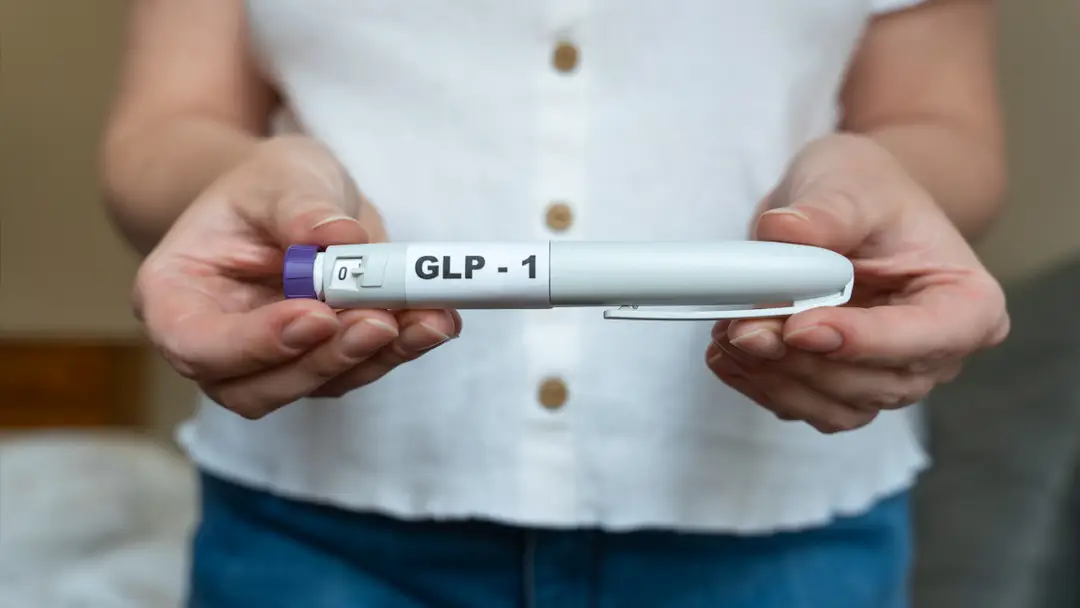
One doctor says there is a particular reaction tied to GLP-1 use that shows up in many patients and should be expected, especially when starting treatment or increasing the dose.
Doctors say the most common side effects linked to GLP-1 medications involve the gastrointestinal system, including the stomach, intestines and bowels.
Because these drugs slow the rate at which the digestive system empties, they extend that full feeling — but that same action can also trigger digestive discomfort.
Common issues can include nausea, bloating, vomiting, constipation and diarrhea.
And while some people may assume those reactions only affect certain users, Janey Pratt, MD, a clinical professor of surgery at Stanford Medicine, says one symptom is especially hard to avoid.

“A hundred percent of patients who try these medications have nausea — 100%,” Pratt said. “Whether they end up vomiting and missing school or work just depends on the person. But side effects are very under-reported.”
Many clinicians would frame that more carefully: nausea is one of the most common GLP-1 side effects, but not every patient will experience it in the same way or to the same degree.
The explanation comes down to how the medication works. When the stomach empties more slowly, food remains there longer, which can create sensations of heaviness, fullness, bloating and nausea.
It is similar to the uncomfortable feeling of eating a rich or filling meal that seems to sit in your stomach for hours.
According to Skip Pack Pharmacy, that nausea usually does not last forever.
Its website states:
“Most people experience nausea within the first 48 hours after starting the medication or after each dose increase. The symptoms are typically mild to moderate and tend to decrease in frequency and severity once you’ve been on a stable dose for a while. Many people find that nausea is most bothersome in the morning or after going long periods without eating.”
That matches what many clinicians tell patients: GI side effects are often most noticeable when a GLP-1 is first started or when the dose is stepped up, and they may improve as the body adjusts.
For that reason, doctors often recommend a gradual titration schedule rather than rushing to the highest dose right away.
Practical steps can also help. Smaller meals, eating more slowly, avoiding very greasy or very large meals, staying hydrated and stopping when you feel full may reduce nausea for some people.
Patients are also typically advised to contact a healthcare professional if vomiting is severe or persistent, if they cannot keep fluids down, or if they develop signs of dehydration.
While nausea and other digestive symptoms are common, GLP-1 medicines also carry more serious warnings, including pancreatitis, gallbladder problems, dehydration that can affect the kidneys, and rare issues around anesthesia and surgery because the drugs slow stomach emptying.
Doctors say the takeaway is not that everyone will feel terrible on a GLP-1, but that digestive side effects are common enough that anyone starting one should know what to expect and how to manage it.