

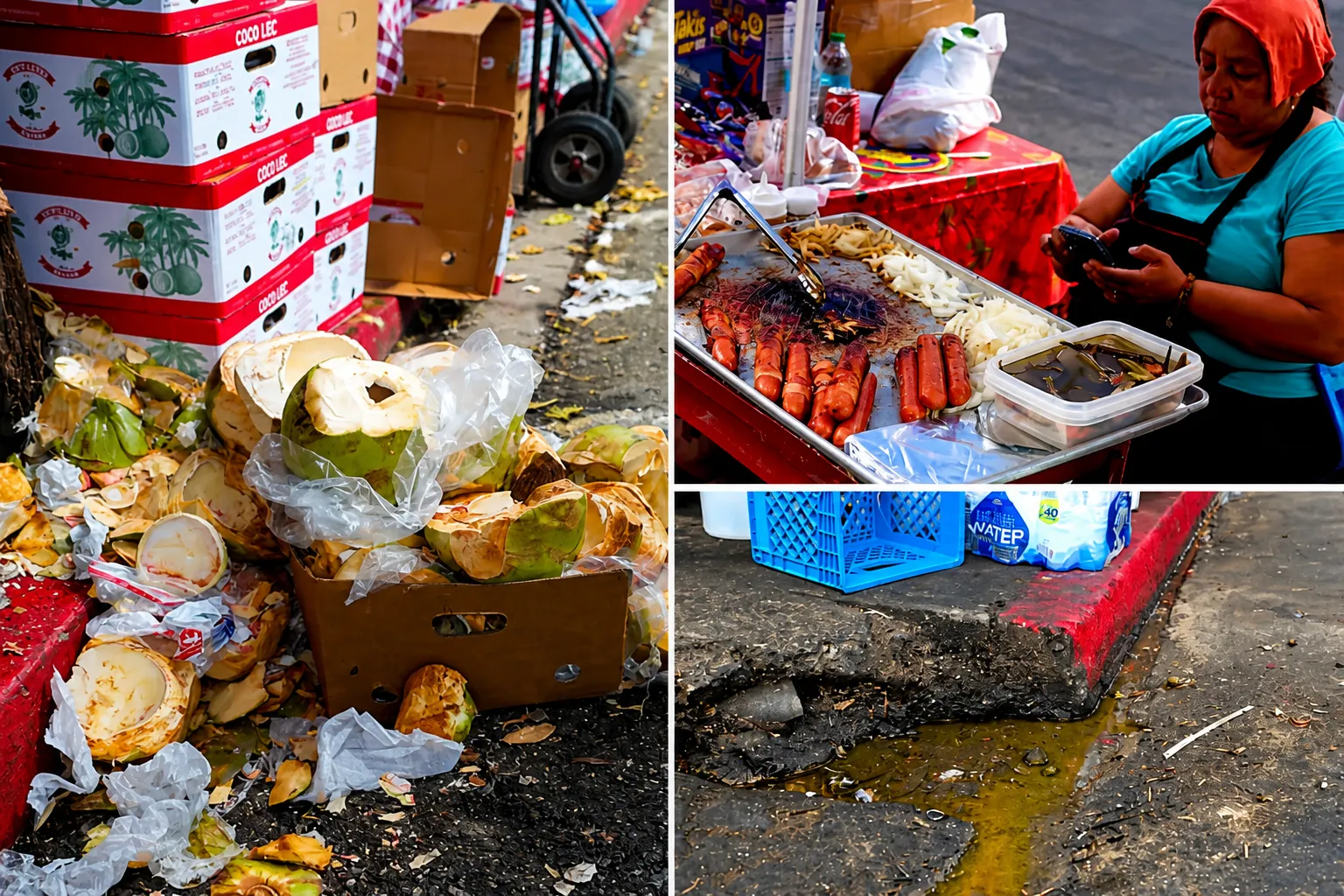
A 662-page dossier of stomach-churning public health complaints against LA street vendors has surfaced just as Mayor Karen Bass orders police to stop criminally citing un-permitted food carts.
The records, spanning 2023 through early 2026, document 9,746 complaints filed with the LA County Department of Public Health and were obtained through a public records request by the California Post. They paint a grim picture of conditions at food stands across Los Angeles County.
At a taco stand near Hawthorne Boulevard, one complainant reported workers had no hand-washing station and weren’t changing gloves. “There was also a dog eating meat from the bag and the guy still continued to serve the meat from that bag,” the complaint stated. That case was marked “closed” with no public record of further action.
Near LAX, another complainant spotted open salsa and condiments beside trash cans while mice ran nearby. That complaint was designated “canceled.” In Venice Beach, hot dogs, buns and condiments allegedly sat “heating in the sun all day long” — a complaint deemed “justified,” again with no additional details provided.
The LA County Public Health Department declined to explain what “closed,” “canceled” or “justified” meant in practice, or whether any enforcement followed. Instead, the agency said it has “shifted focus from street level unpermitted sidewalk food vending enforcement, to instead target the larger organizations that control many street level operations in order to conduct enforcement at the source.”
Stuart Waldman, CEO of the Los Angeles Business Federation, called the volume of complaints “worse than I thought.”
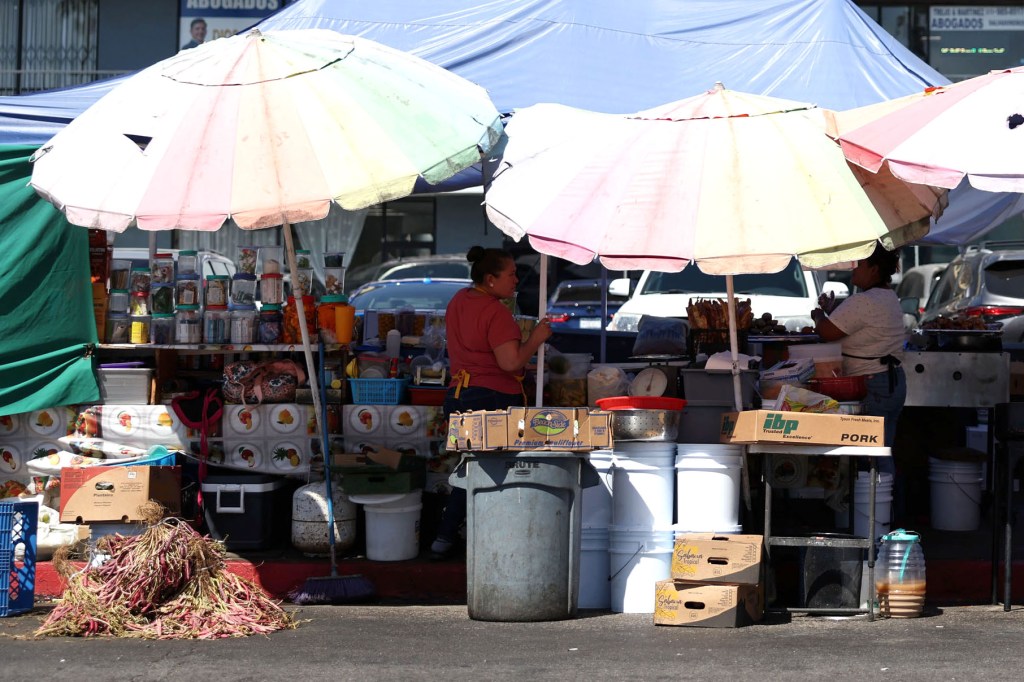
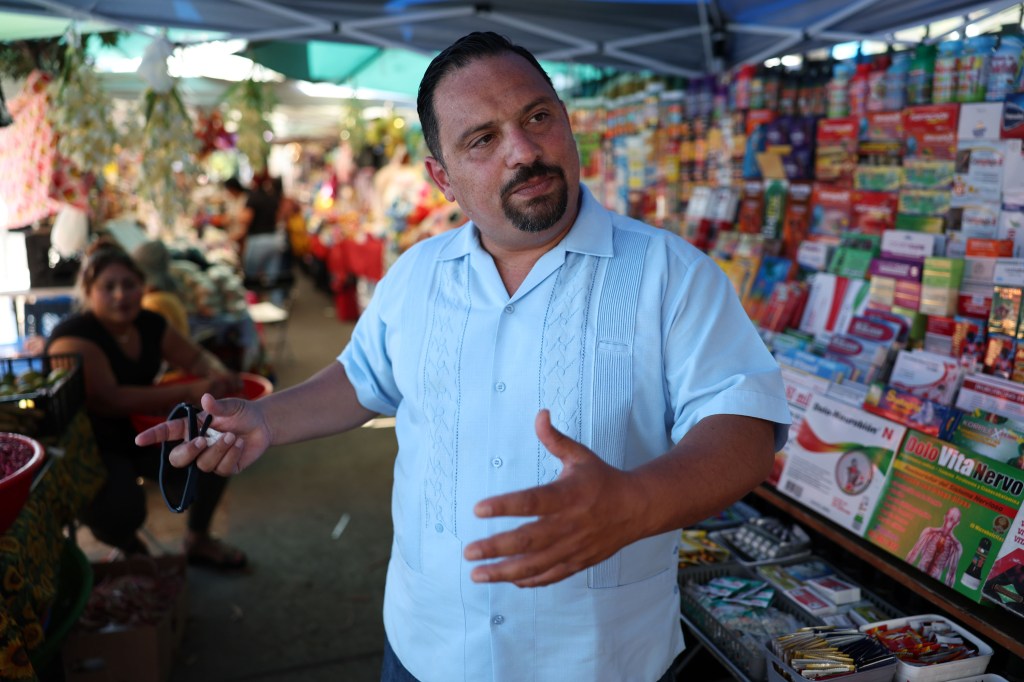
“It’s crazy to think that a brick-and-mortar restaurant can be shut down if the employees don’t wash their hands, they leave butter out overnight, their refrigerator runs two degrees warmer than they’re supposed to,” he told the Post. “And street food vendors don’t have bathrooms, employees aren’t washing their hands, they don’t have refrigeration — you name it.”
George Francisco, board chair of the Westside Council of Chambers of Commerce, said the allegations were “not surprising.”
“I’ve seen worse and I’ve probably seen more, personally,” he told the Post. “The idea of a box truck pulling up with slabs of compressed meat sitting in the back, being popped on a skewer and being roasted for sale, is one of the most disgusting things I’ve ever seen.”
The complaints span a period of intense policy debate over street vending in Los Angeles. In the city, sidewalk vendors need a city vending permit, while food sellers also require a county public-health permit. The county handles food safety; city authorities enforce where and how vendors can operate.
An estimated 50,000 vendors operate throughout LA, yet only 687 active vending permits were recorded as of September 2024. Just 53 of those permits were for food vendors.
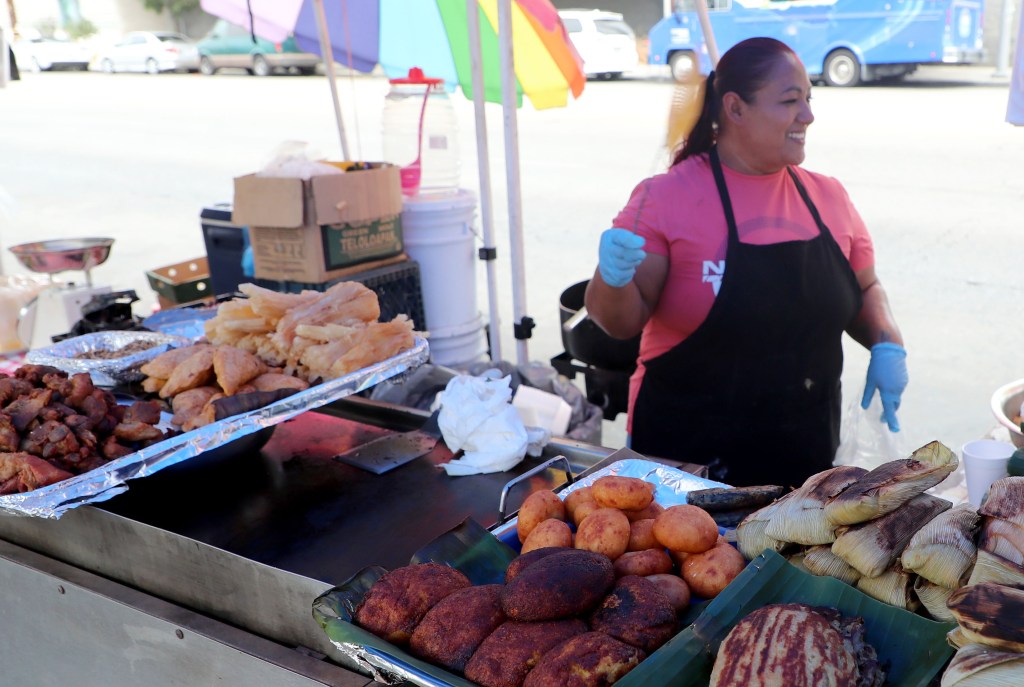
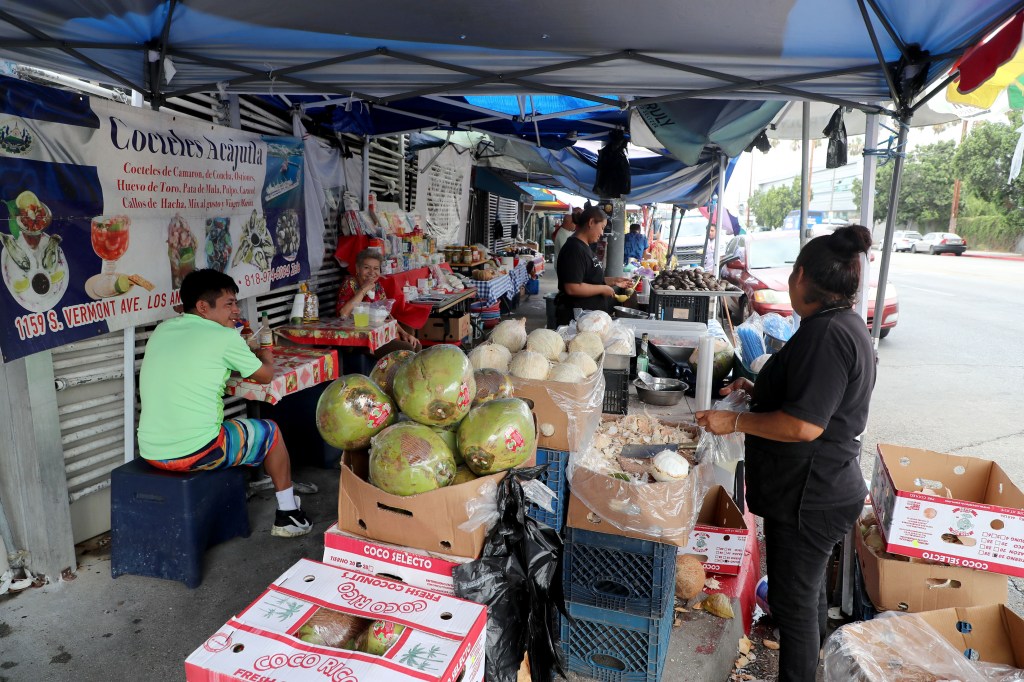
On Thursday, Bass said her office “stands firmly with street vendors” while directing the LAPD to stop issuing criminal citations, even to vendors lacking permits or operating directly in front of brick-and-mortar businesses. Her administration is also working to dismiss citations she called improperly issued. Her office did not respond to questions about the public health complaints.
Bass’ stance puts her at odds with Councilwoman Nithya Raman, her opponent in the mayoral race, who has pushed to streamline permitting rather than reduce enforcement.
“Street vending is a vibrant part of Los Angeles, and it can coexist with our brick-and-mortar businesses when vendors are operating safely, cleanly, following all appropriate rules, and with a license,” her office said in a statement to the Post. “We have regulations in place to make sure vendors are meeting health and safety standards, but consistent enforcement citywide requires departments that are efficient and responsive.”
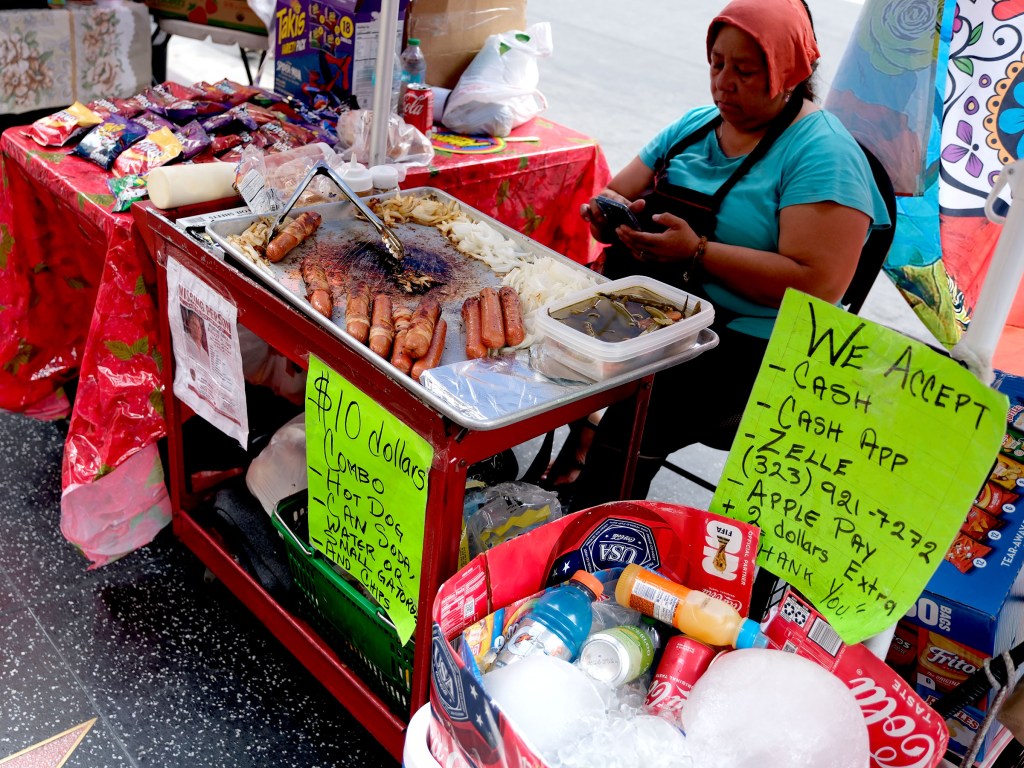
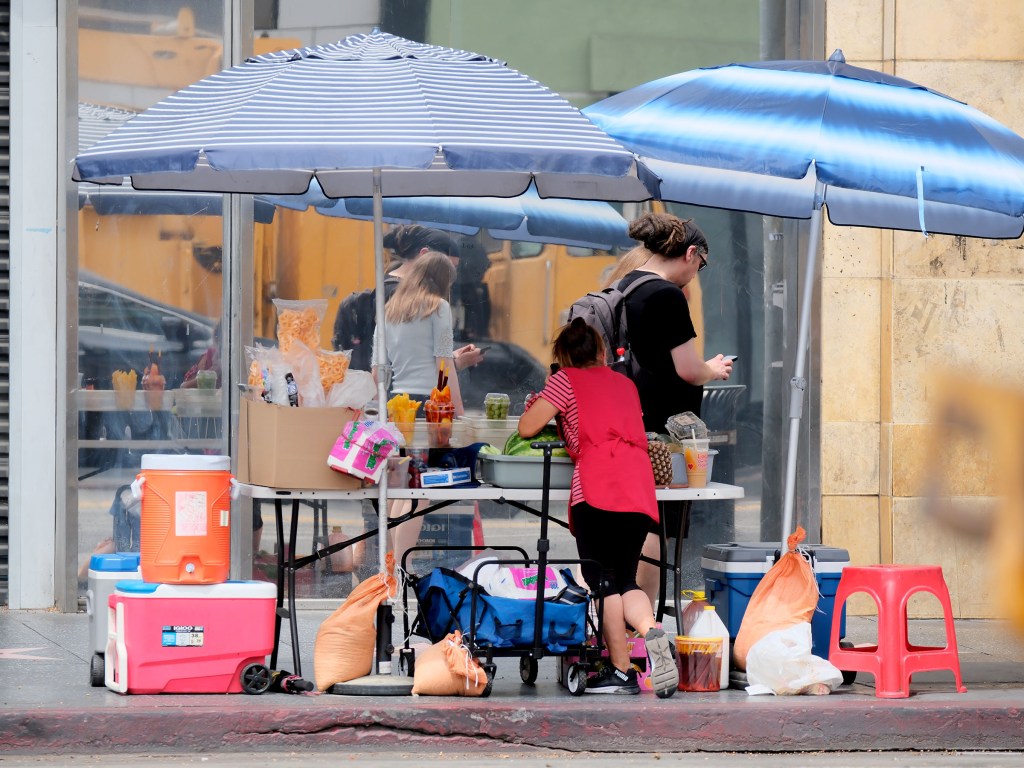
The human cost of the vending explosion plays out along the El Salvador Corridor in Pico-Union, where Raul Claros, co-founder of the El Salvador Corridor Association, estimates more than 120 street vendors now crowd the area.
“It’s the Wild Wild West,” he said of the corridor, which has grown into a commercial and cultural hub for Salvadoran migrants. Claros doesn’t want vendors removed — he wants them permitted, inspected, and given designated selling areas that don’t overwhelm sidewalks or block existing businesses.
“You legalized [street vending], but you won’t invest in it,” Claros told the Post, referring to state laws that shielded street vending from criminal enforcement while leaving local governments to manage implementation.
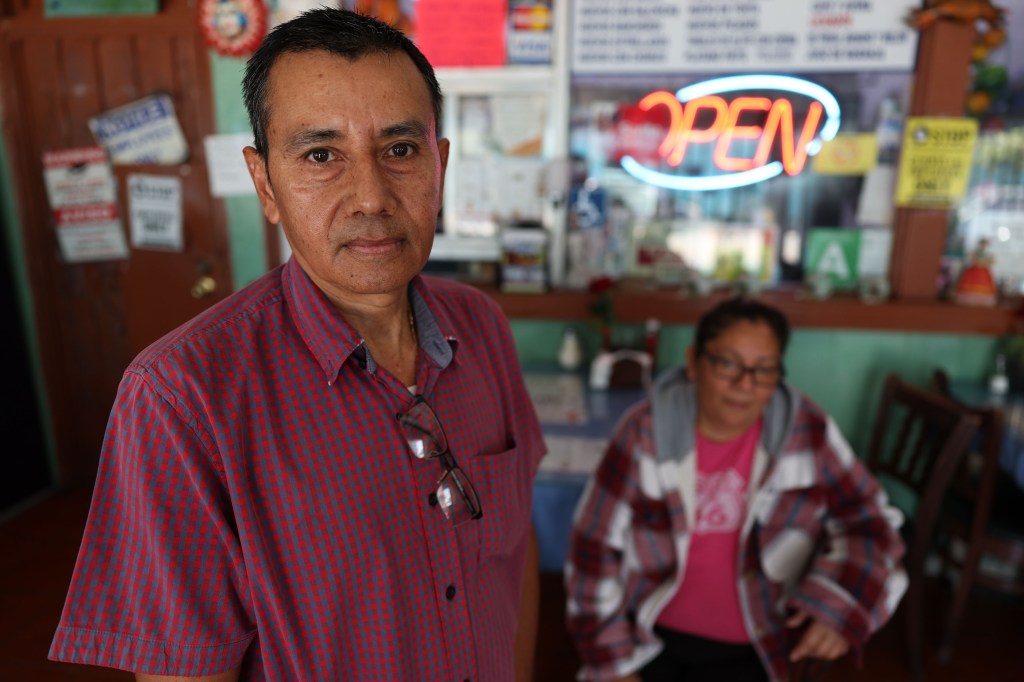
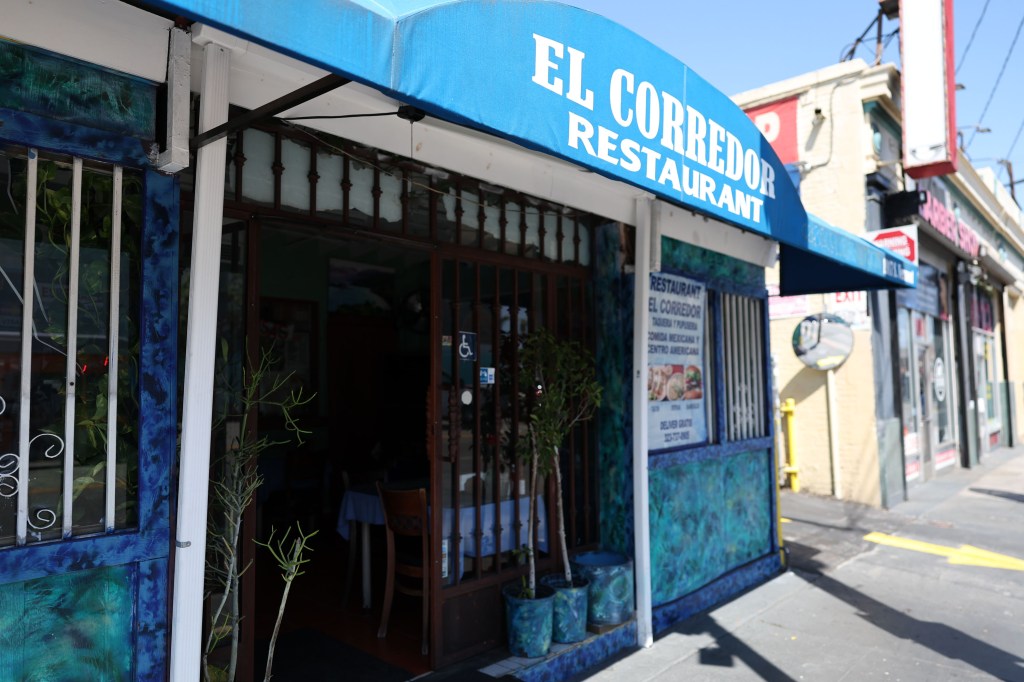
For Miguel Carranza and his wife Irma Diaz, the tension is personal. Carranza immigrated from El Salvador and built his way up from street vendor to food truck operator to brick-and-mortar owner, opening El Corredor restaurant in 2010 along the corridor. After surviving COVID and inflation, the couple now watches their lunchtime seats sit empty while un-permitted competitors sell nearby without rent or comparable overhead.
Brenda Montoya, a second-generation business owner along the corridor, remembers a different neighborhood before COVID and the street vending surge.
“Everything, the economy was better right here,” Montoya told the Post. “It was full. You couldn’t even park right here.”
“Right now everything is, like, kinda empty, no sales,” she added.
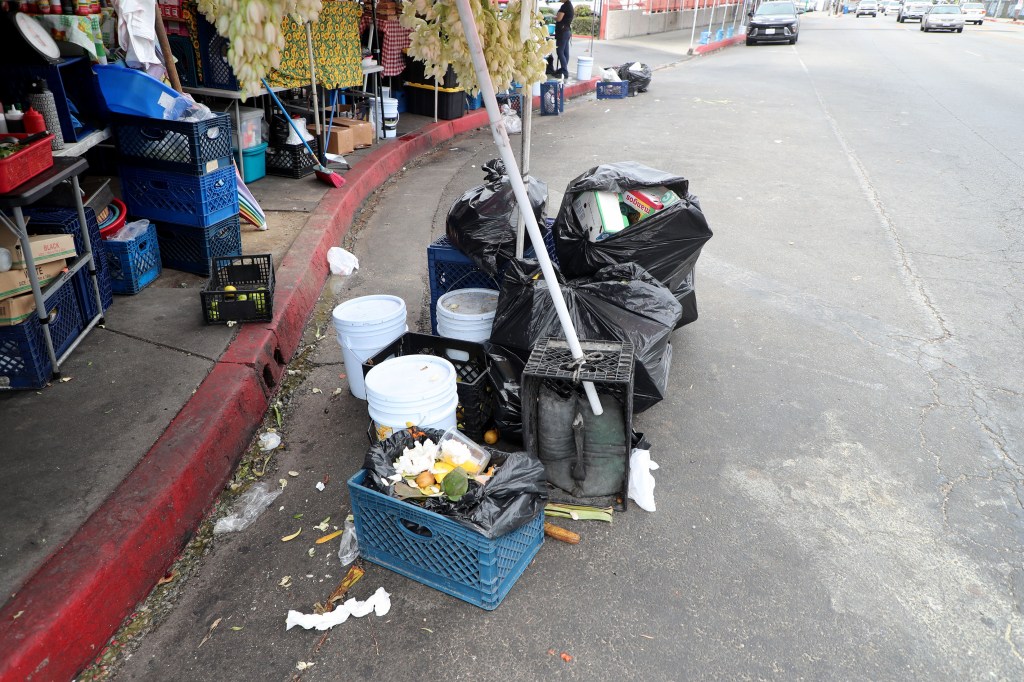
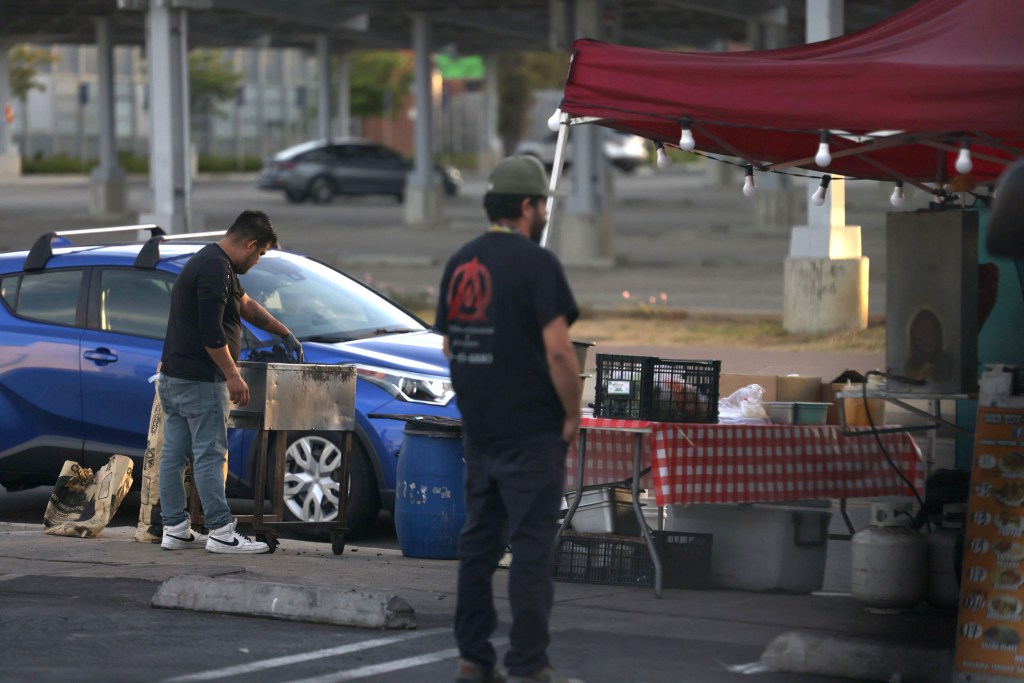
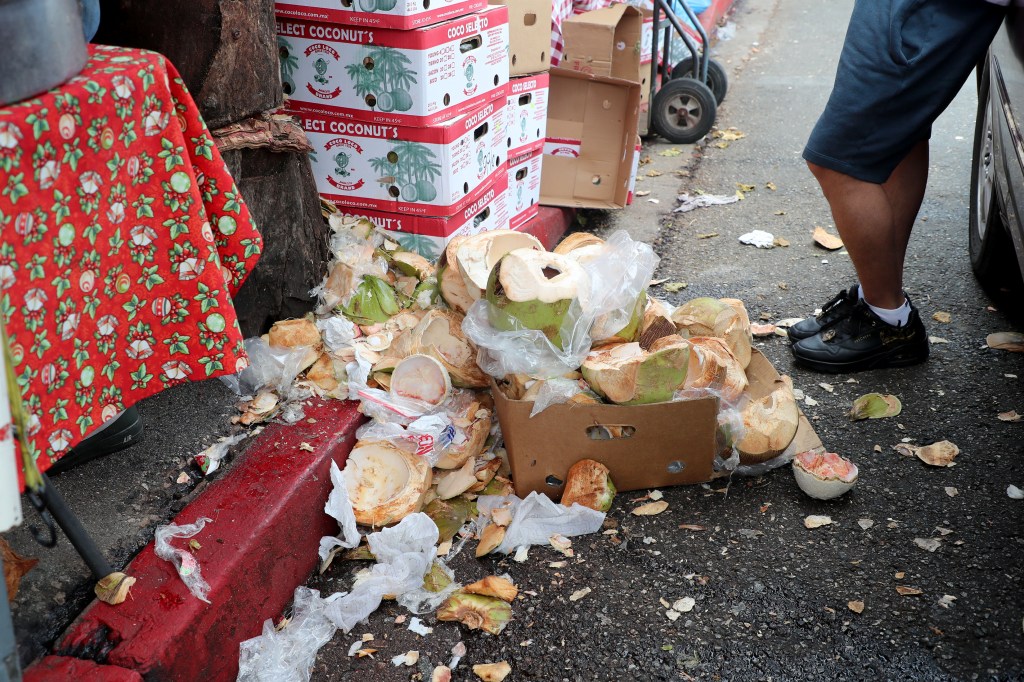
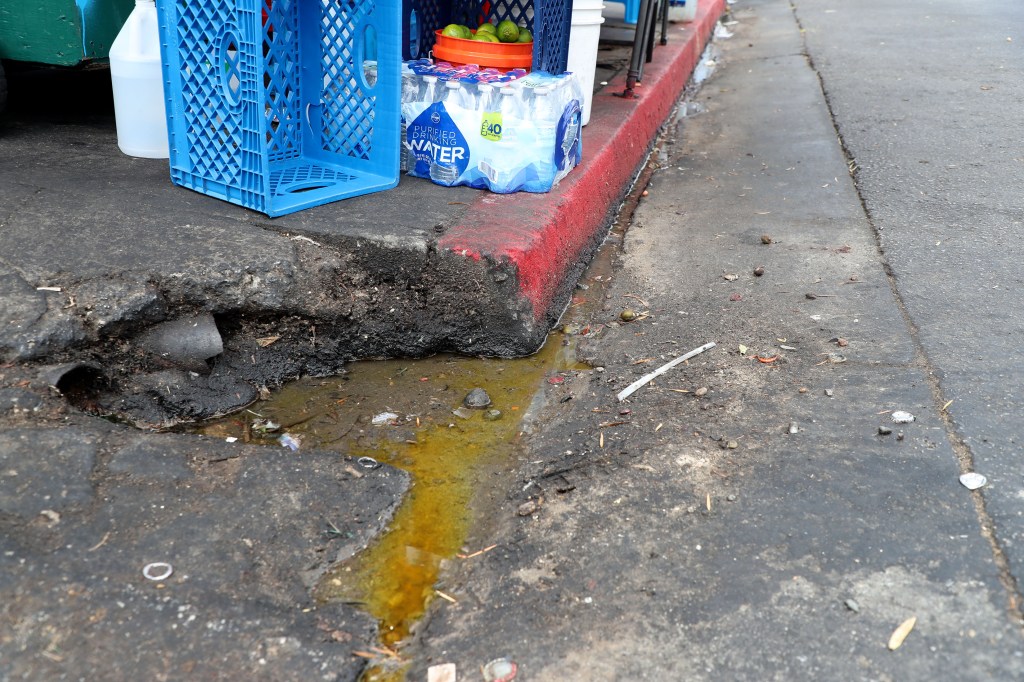
A recent visit to the corridor found vendors set up near red curbs and other restricted zones, with grease and dirty water spilling into gutters.