


In parts of the United States where venomous snakes are common, dog trainers are increasingly offering specialized avoidance training to help protect pets from potentially life-threatening snake bites. These training programs have become more popular as snake sightings increase across various regions, particularly in response to warmer weather patterns that bring snakes out more frequently.
The American Society for the Prevention of Cruelty to Animals reports that as many as 150,000 dogs are bitten by venomous snakes each year in the United States. In Arizona’s Tucson area, a known rattlesnake hotspot, emergency veterinarians treat four to six dogs daily for rattlesnake bites. While the survival rate for pets bitten by snakes is 94 percent with quick treatment, medical costs can reach thousands of dollars depending on how much antivenom and hospitalization are required.
Dog trainer J.J. Belcher of Sublime Canine in Tucson has spent more than two decades teaching rattlesnake avoidance to thousands of pet and working dogs, including search-and-rescue animals and occasional police dogs. During training sessions, dogs are fitted with electronic collars and exposed to live, carefully muzzled rattlesnakes. When a dog approaches the snake, a small electrical stimulation is delivered to the collar, teaching the animal to associate the snake’s sight, sound, and smell with an unpleasant sensation and prompting them to avoid the reptile in future encounters.

Belcher works with dogs of various sizes and temperaments, using what he describes as a “very fast and effective form of training.” A single training session with an electronic collar costs $125. Belcher has also developed an alternative positive-reinforcement program for clients uncomfortable with electronic collars, but he estimates the cost at $2,500 for multiple sessions, a price that has deterred most owners from pursuing that option.
In Salt Lake City, trainer Mike Parmley operates Barley’s Canine Recreation Center and teaches as many as 500 dogs annually, typically in small classes of four to six animals. Parmley uses an electronic collar set on a low level, emphasizing that trainers do not need to deliver harsh shocks. He notes that rattlesnakes have become a significant problem in the foothills around Salt Lake City, and the trend of warmer weather has caused snakes to emerge earlier in the season. By early June this year, Parmley reported having more than 100 dogs signed up for training.
Most established training methods follow a similar structure. Dogs are fitted with training collars and guided through various stations equipped with the scent, sight, and sound of live rattlesnakes, which are muzzled humanely by trained handlers. The goal is for dogs to learn that these sensory cues associated with snakes should trigger avoidance behavior, with the hope that this response will translate to natural encounters in the wild.

California has experienced notable increases in snake activity. California Poison Control has reported dozens of rattlesnake-related calls this year, including two incidents in Santa Barbara County, along with three reported fatalities in California—a higher number than typically seen early in the season. According to local experts, warmer-than-normal weather has brought more snakes to the surface across Southern California, with snake removal companies reporting being booked solid as residents seek help managing snakes in their yards.
Dr. Sarah Carotenuto, who teaches at the University of Arizona’s College of Veterinary Medicine, emphasizes the importance of acting quickly if a dog is bitten. “Do bring us your dog quickly, but please don’t bring us the snake!” she said. She noted that it is unnecessary to identify the exact species before administering antivenom, as available treatments are effective against all kinds of rattlers. Carotenuto is currently participating in a research study examining whether rattlesnake-aversion training works and which methods are most effective.
Most established trainers maintain that electronic collars are necessary to ensure dogs will reliably avoid venomous snakes. However, animal welfare advocates have raised concerns about this approach. The American Humane Society opposes electronic collars as cruel, while the ASPCA does not explicitly oppose them but insists they be used correctly. According to Pamela Reid, vice president of ASPCA’s behavioral sciences team, “This type of training can be highly effective — however, we recommend that such training be conducted only under the guidance of a trainer knowledgeable in the principles of avoidance learning.”
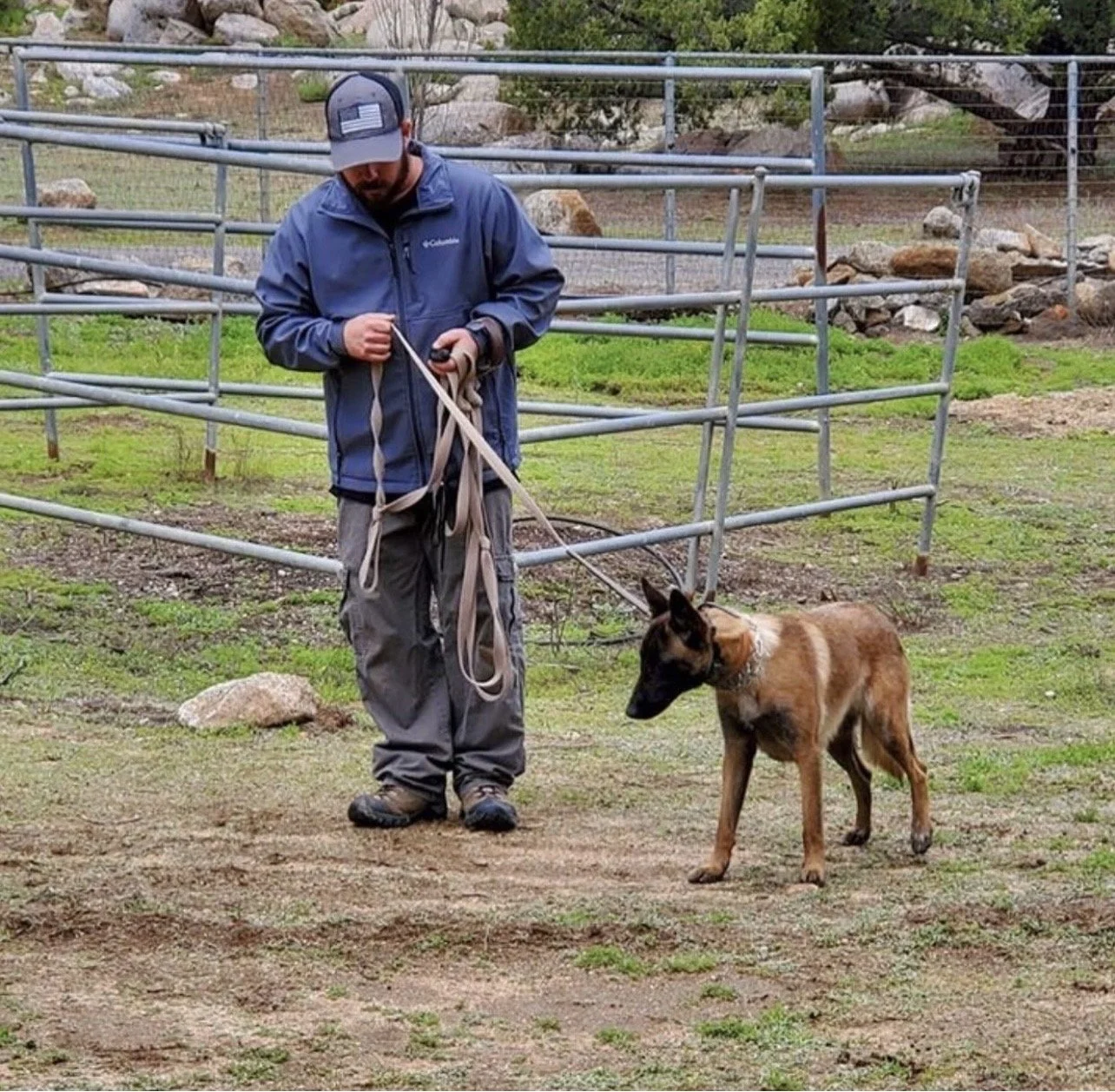
Alternative training methods exist. Some trainers have developed positive-reinforcement protocols that teach dogs to avoid snakes through games, reward systems, and behavior modification without relying on electronic collars. These methods typically require more time and commitment from owners but appeal to those seeking humane alternatives.
Training programs operate across the United States, with classes available from Illinois to Florida for dogs that may encounter eastern diamondbacks, timber rattlers, and other regional venomous species. In western regions, training typically focuses on rattlesnakes, which account for approximately 80 percent of venomous snake bites on dogs.
Experts recommend additional precautions beyond training. Pet owners should learn about the specific snake species in their area, clear yards of long grass and debris that attract rodents hunted by snakes, stay on well-worn trails while hiking, and keep dogs on leashes during outdoor activities. Even with avoidance training, dogs can still be vulnerable to surprise attacks, so veterinary treatment should be sought immediately if a bite occurs, as venom can move quickly through a dog’s body and cause severe tissue damage.