

Dolly Parton’s estate has secured a temporary restraining order against her nephew after he was fired from his post as her head of security.
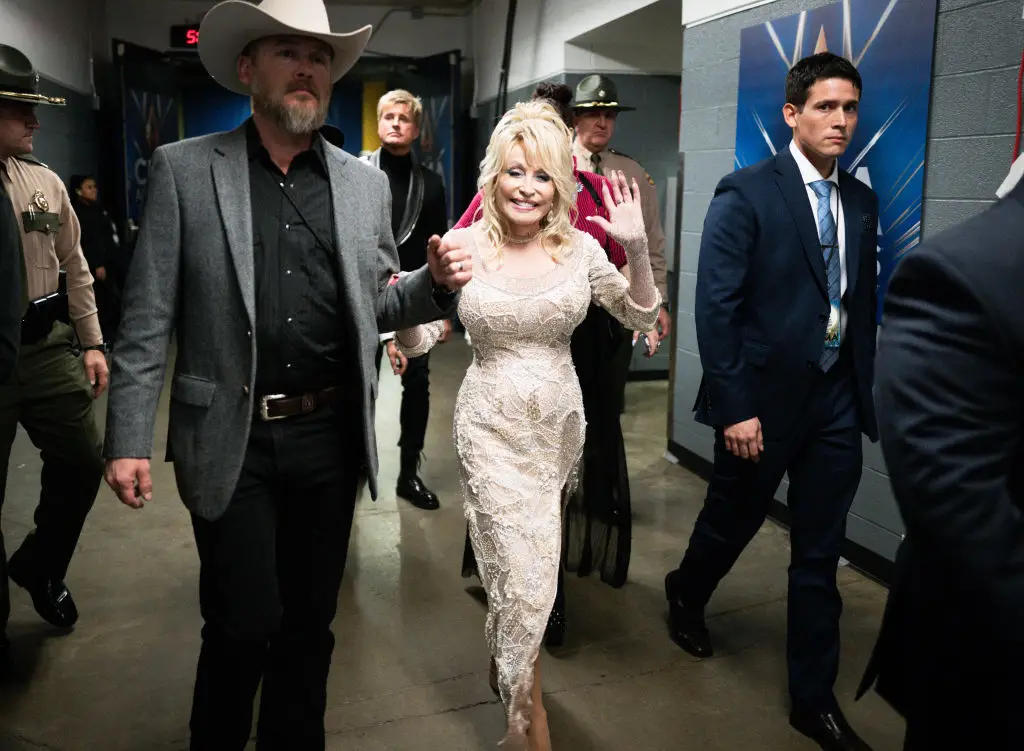
Bryan Seaver, who is in his 50s and the son of Parton’s sister Cassie, was terminated earlier this month after more than two decades guarding the country legend. The restraining order was granted September 22, just weeks after Parton died August 25 at age 80 following a private cancer diagnosis.
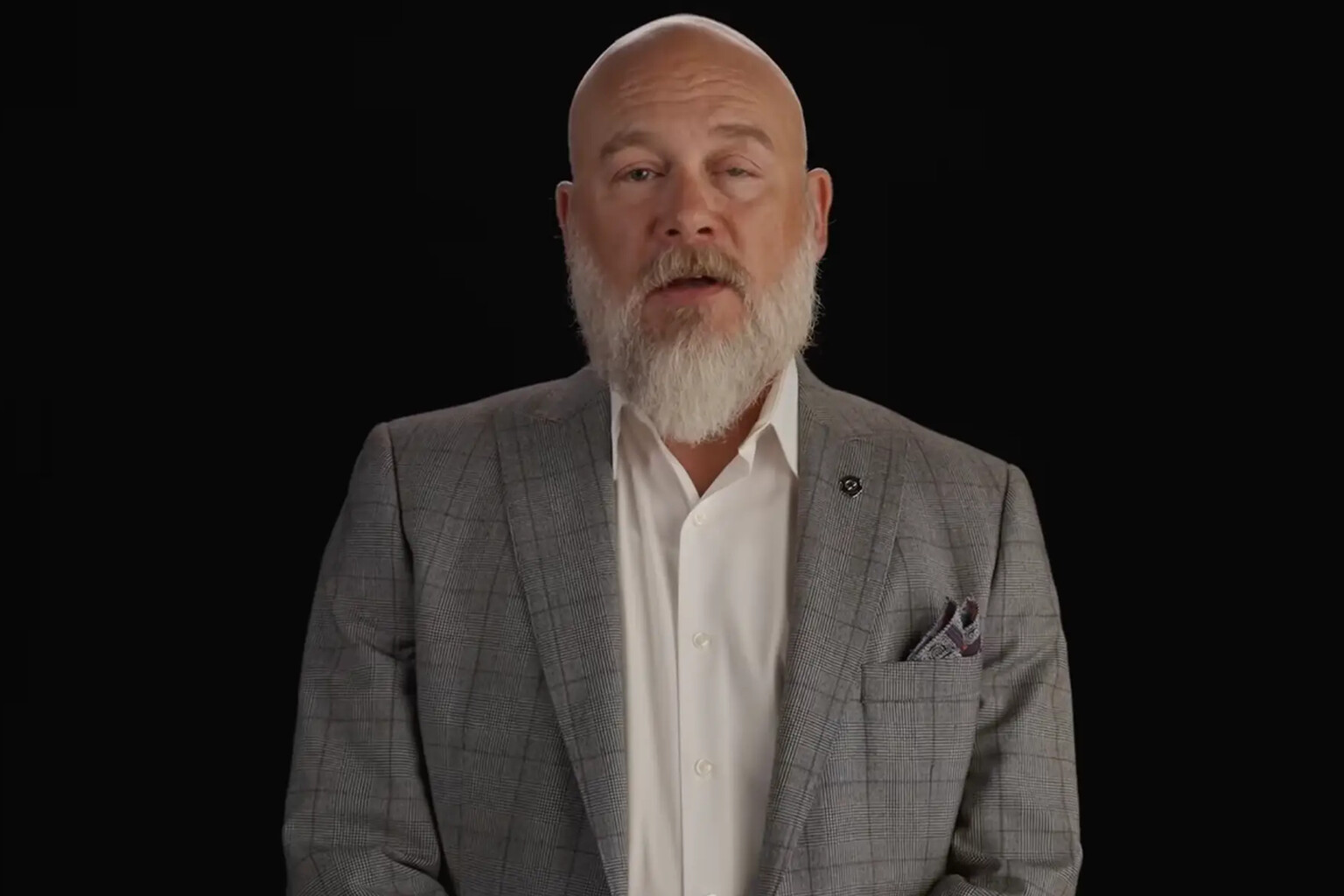
Seaver had been the one to announce his aunt’s death in a pre-recorded video statement released to the public. “My name is Bryan Seaver, son of Cassie Parton,” he said in the clip. “I am representing the Parton and Owens family today, announcing the passing of my Aunt, Dolly Rebecca Parton Dean.”
He added in that same video: “This video announcement is something Dolly asked of me years ago before I fully absorbed it as a future reality.”
The legal action was brought by She’s Alive, LLC, the corporate entity Parton established to manage her legacy. In its filing, the company painted a starkly different picture of Seaver’s conduct after her death, alleging he launched what it called a “campaign of threats, intimidation, and coercion” that began even before she passed.
“Mr. Seaver began his campaign of threats, intimidation, and coercion a few weeks prior to Ms. Parton’s passing,” the filing stated. It cited specific written messages in which Seaver allegedly vowed to “destroy the entire brand” and told Parton’s entertainment attorney: “I’m not an entertainment person. I’m a killer.”
The estate further claimed Seaver threatened to inflict “reputational and economic harm” on Parton’s carefully built empire, including a reported plan to launch a podcast aimed at sabotaging her brand partnerships unless he received financial compensation.

Physical safety fears also surfaced in the documents. SAL accused Seaver of making “threats of real-world violence” toward Parton’s staff, advisors and business partners. The filing emphasized that as an “armed former security contractor,” Seaver posed a particular risk that required court intervention.
“As the entity entrusted by Ms. Parton to protect and promote her life’s work for future generations, SAL must cultivate a safe work environment for employees, advisors, and partners, free from intimidation or hostility—particularly intimidation by an armed former security contractor,” the company argued. “Without relief, Defendants’ calculated campaign will continue to inflict fear, to destabilize SAL’s operations, and to cause further irreparable harm.”
Seaver and his representatives pushed back with their own statement targeting Parton’s manager, Danny Nozell, and Pinnacle Bank. They expressed being “dismayed by the unexpected and, so far, unexplained actions” taken since Parton’s death.
“We refuse to be intimidated by those whose actions we believe are being taken in bad faith and with the intent to profit from the life of someone who willingly gave so much,” they fired back.
Seaver also insisted he and his team “remain unshakably resolved to fulfill her final directive to protect her family.”
The dueling narratives have created an unusual posthumous crisis for Parton’s carefully managed brand, pitting blood relatives against the business apparatus she built to outlast her.