


Dolly Parton has revealed the hymn she wants played at her funeral, and it is not one of her own hits.
The country legend, 78, has chosen “If We Never Meet Again (This Side of Heaven),” a gospel standard written by Albert Brumley, for her memorial service. The selection spotlights a lesser-known composer whose work has crossed racial and regional lines for nearly a century.
Brumley was born in Oklahoma’s Choctaw Nation area and trained at a small music school in rural Arkansas. He became widely known for so-called white gospel music, with beloved hymns including “I’ll Meet You in the Morning,” “Turn Your Radio On” and “Rank Strangers.”
Yet his compositions broke through those categories. “I’ll Fly Away,” which Brumley wrote in 1929, became a staple of black gospel groups including the Five Blind Boys of Mississippi, the Five Blind Boys of Alabama, the Pilgrim Jubilees and the Brooklyn Tabernacle Choir. Aretha Franklin and Jesse Jackson recorded it as a duet. The lyrics — “When the shadows of this life have gone away, I’ll fly away, like a bird from prison bars has flown, I’ll fly away” — turned the hymn into a civil-rights anthem.
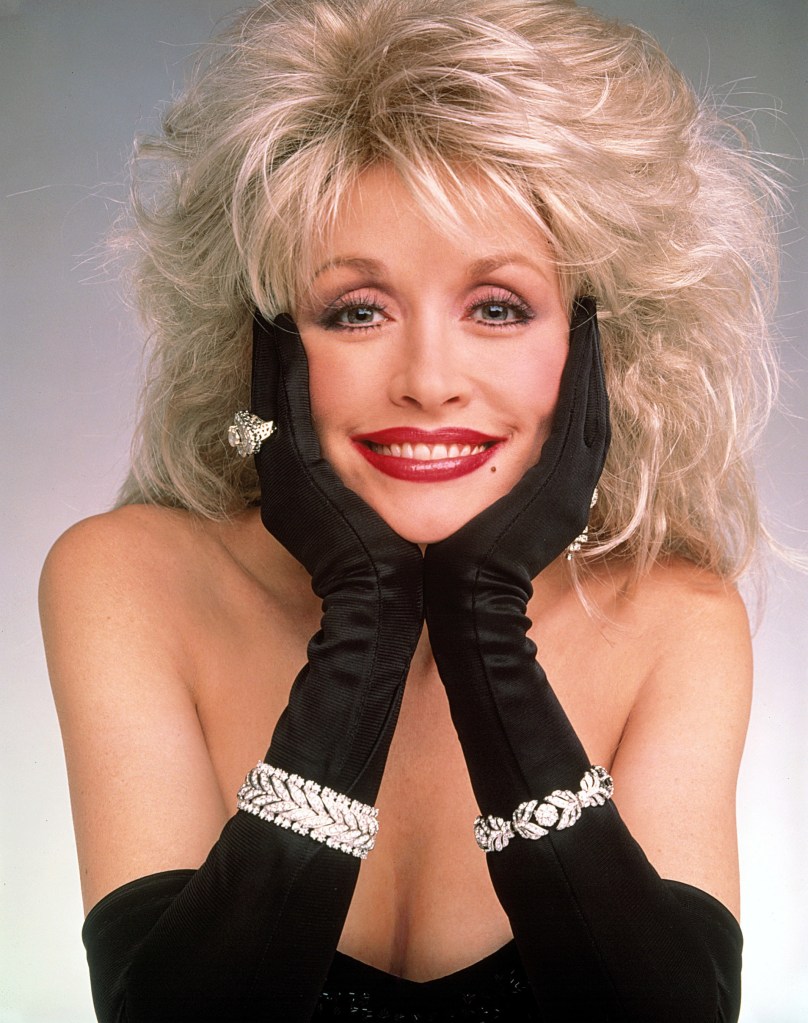
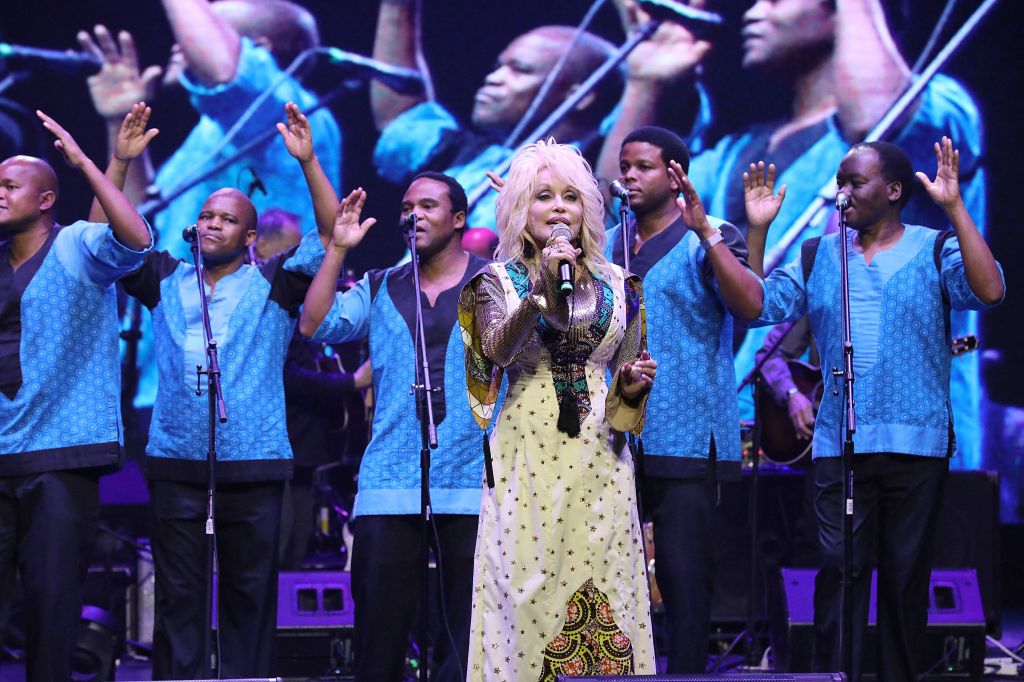
Parton herself performed “I’ll Fly Away” in concert, drawing audiences to their feet. Her own crossover appeal mirrors that trajectory. Whitney Houston, raised in the black church, recorded Parton’s “I Will Always Love You” and won a 1994 Grammy for it; Parton presented the award to her.
The funeral song Parton selected has also been recorded by the All for Christ Singers, a group blending American gospel with indigenous Zimbabwean music.
Parton’s choice carries personal weight. The lyrics — “if we never meet again, this side of heaven, I’ll meet you on that beautiful shore” — likely evoke her late husband and parents, whom she has spoken of missing.
Other iconic Americans made funeral selections that similarly bridged divides. Martin Luther King Jr. Chose Thomas Dorsey’s “Take My Hand, Precious Lord,” a spiritual recorded by both Mahalia Jackson and Elvis Presley; Aretha Franklin sang it at his service. At Franklin’s own funeral, Gladys Knight performed Paul Simon’s “Bridge Over Troubled Water,” itself rooted in the black gospel quartet the Swan Silvertones’ version of “Oh Mary, Don’t You Weep.”
The through-line, observers note, is music that refuses to stay in one lane. Ray Charles channeled black gospel into pop with “I’ve Got a Woman” and adapted country material like Don Gibson’s “I Can’t Stop Loving You” for his own style. His gospel-tinged “America the Beautiful” — written by New England’s Katharine Lee Bates — became arguably the definitive rendition, embraced by Parton’s own Grand Ole Opry.
Parton’s Smoky Mountain origins shaped her from the start, and she never distanced herself from them. That she would pick another writer’s hymn over her catalog of hits fits that pattern.
The broader context is a cultural landscape often described as fractured, with Americans sorted into camps that share little common ground. Parton’s sustained popularity across demographics suggests that unifying figures still find purchase when they make the effort.