

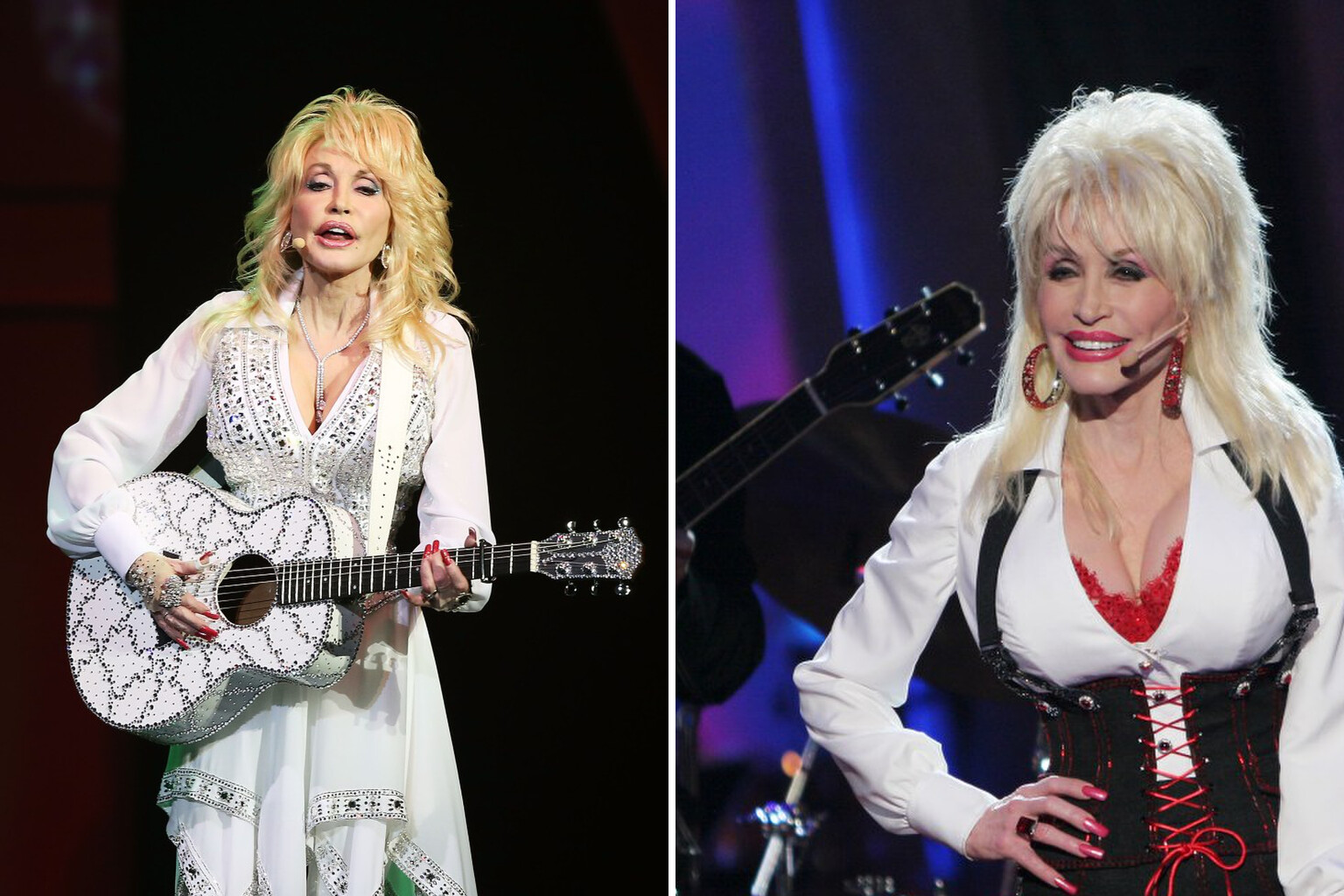
Dolly Parton’s sister has revealed the country icon made a clandestine trip to Germany for experimental cancer treatment roughly a year before her death.
Stella Parton, 75, disclosed on “CBS Mornings” that the “Jolene” singer, 80, flew to Frankfurt on a private jet and stayed for about a week, believing the procedure helped restore her strength. The exact nature of the treatment remains unknown.
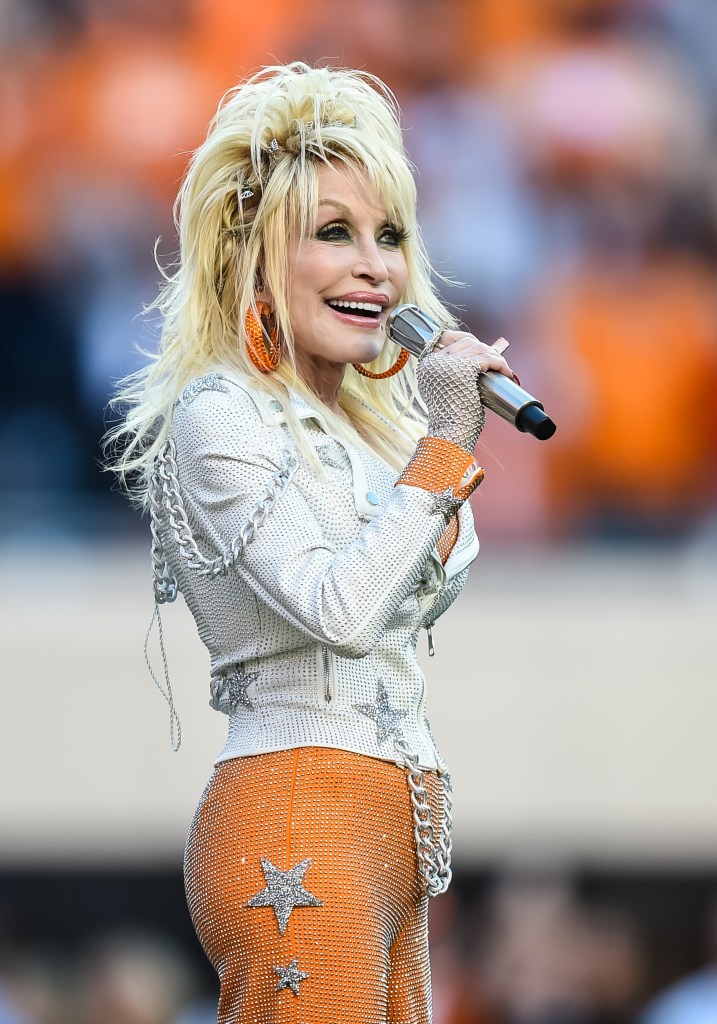
Stella explained that Dolly kept her diagnosis hidden from much of her family and the public. “Dolly could not bear negative things and she would not have wanted her fans worried about it,” she said. “She didn’t want a lot of the family worried about it.”
She added that only those closest to the singer knew the truth: “Some of us knew, the ones that were closer.”
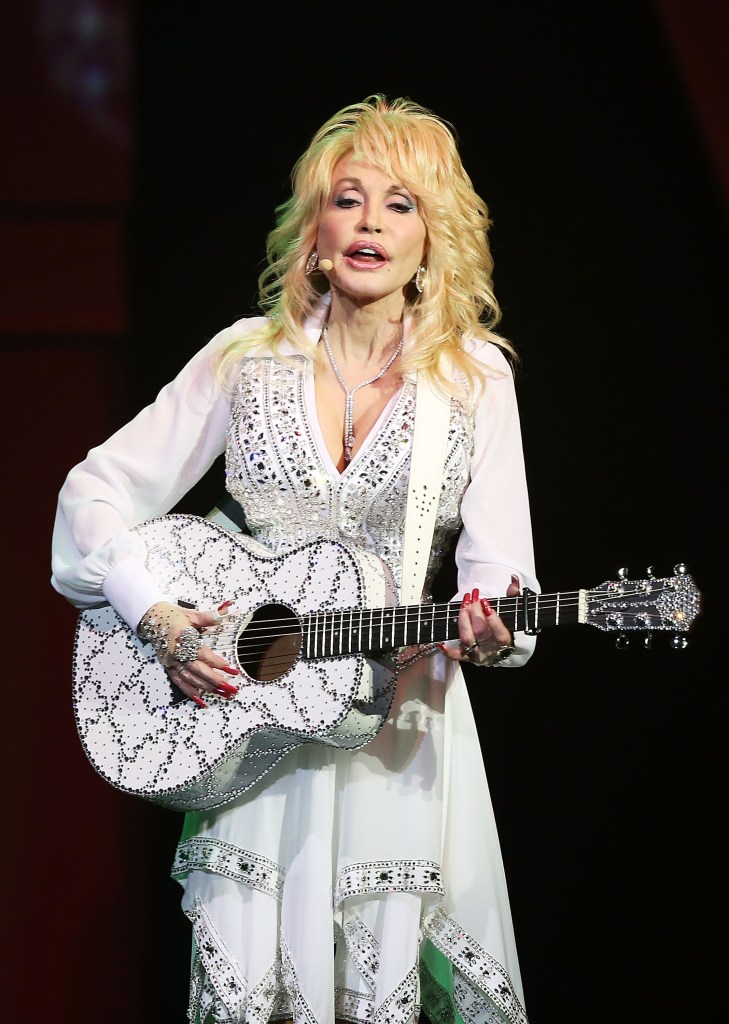
The philanthropist’s willingness to serve others extended even to her final days. In a Facebook post, Stella shared that Dolly “would still allow her medical team to try experimental drugs in the hope of helping others in the future,” even if there was “no hope” for her own recovery.
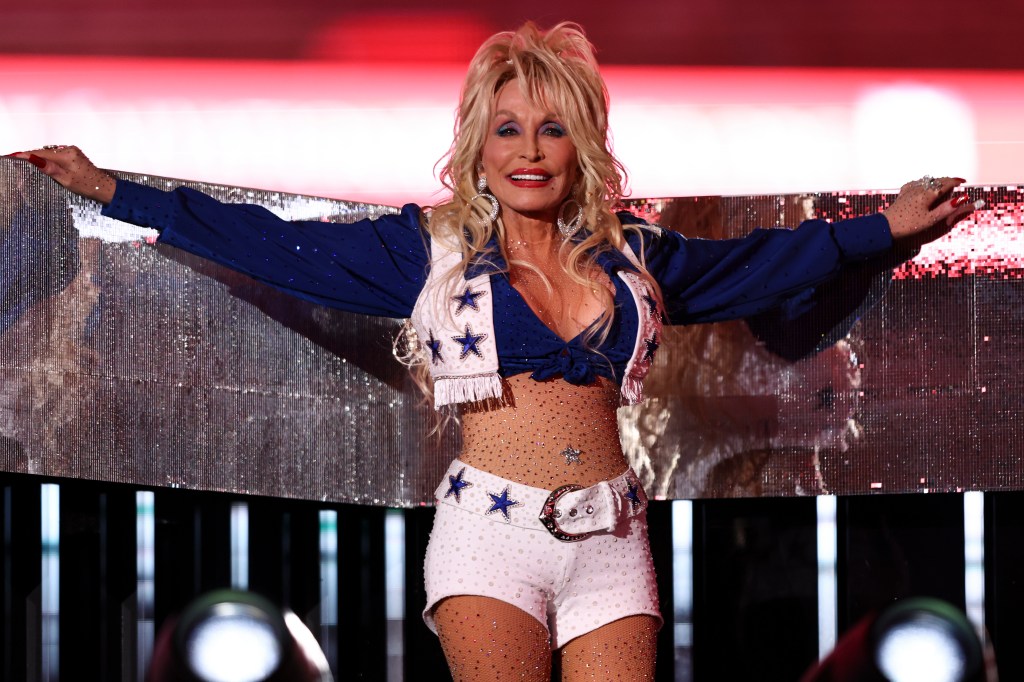
“My sister was one of the most generous, thoughtful and kind people I’ve ever known,” Stella noted in the same post.

Dolly died on Aug. 25 following the secret cancer battle. Neither her family nor her representatives have revealed what type of cancer she faced.
Reports said last month that she had been hospitalized at Vanderbilt University Medical Center in Nashville with kidney and autoimmune issues in the days leading up to her death.
She was laid to rest on Aug. 28 at Woodlawn Memorial Park and Mausoleum beside Dean, her husband of nearly 60 years who died in 2025. Her cousin told the “Today” show the burial was “very quiet [and] very quickly done,” noting that while “a few” loved ones attended, “other people [who] would have liked to [have] been there” were “doing other things and stuff.”
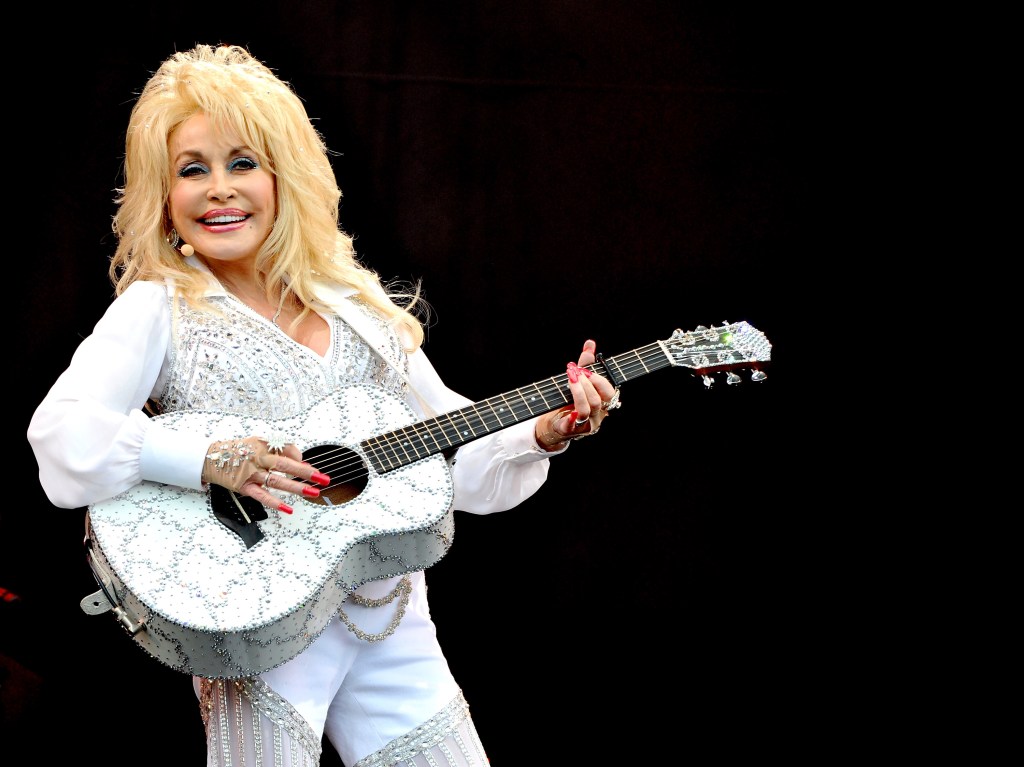
The revelation of Dolly’s secret Germany trip adds new dimension to what was already understood about her fiercely private final chapter. Stella’s disclosures have gradually peeled back layers of a carefully guarded story, showing how the superstar who built an empire on openness and connection with fans chose profound solitude when facing her own mortality.
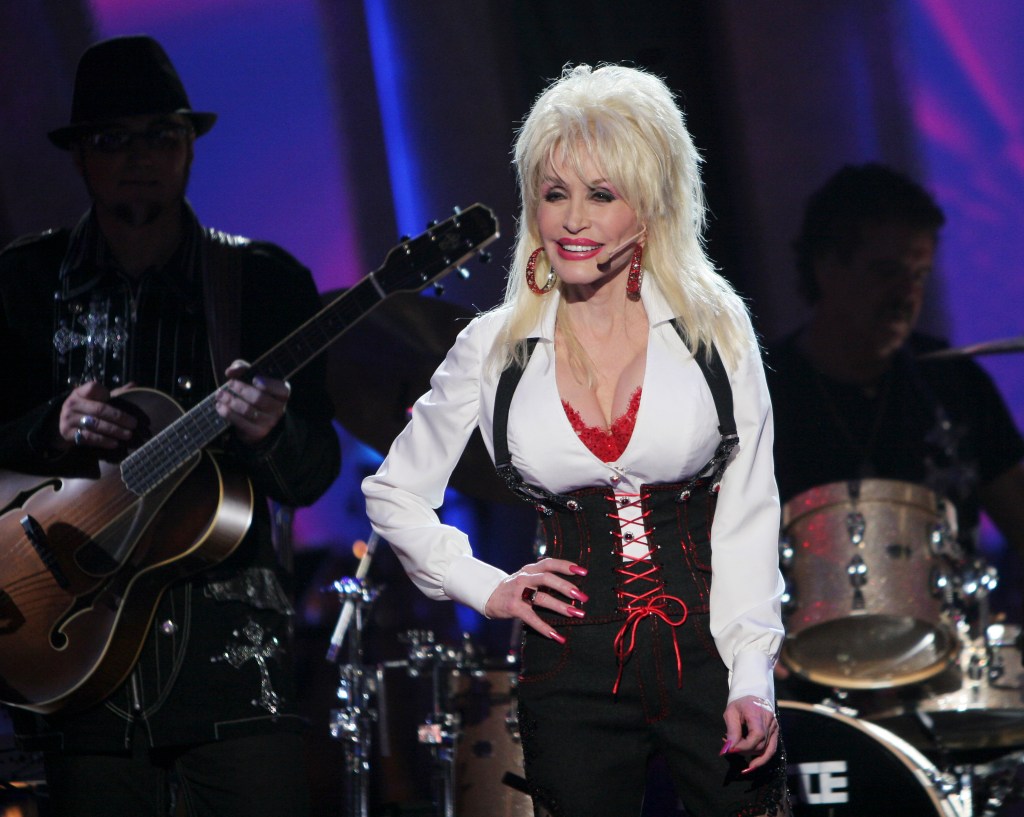
That impulse toward privacy was characteristic, her sister suggested. Where some celebrities might have leveraged illness for sympathy or advocacy, Dolly simply withdrew, protecting those she loved from pain she did not want them to carry.

The experimental treatment in Frankfurt represents one of several medical interventions Dolly pursued without public knowledge. Whether the trip came before or after other undisclosed treatments, and whether German doctors coordinated with her Nashville medical team, remains unclear.
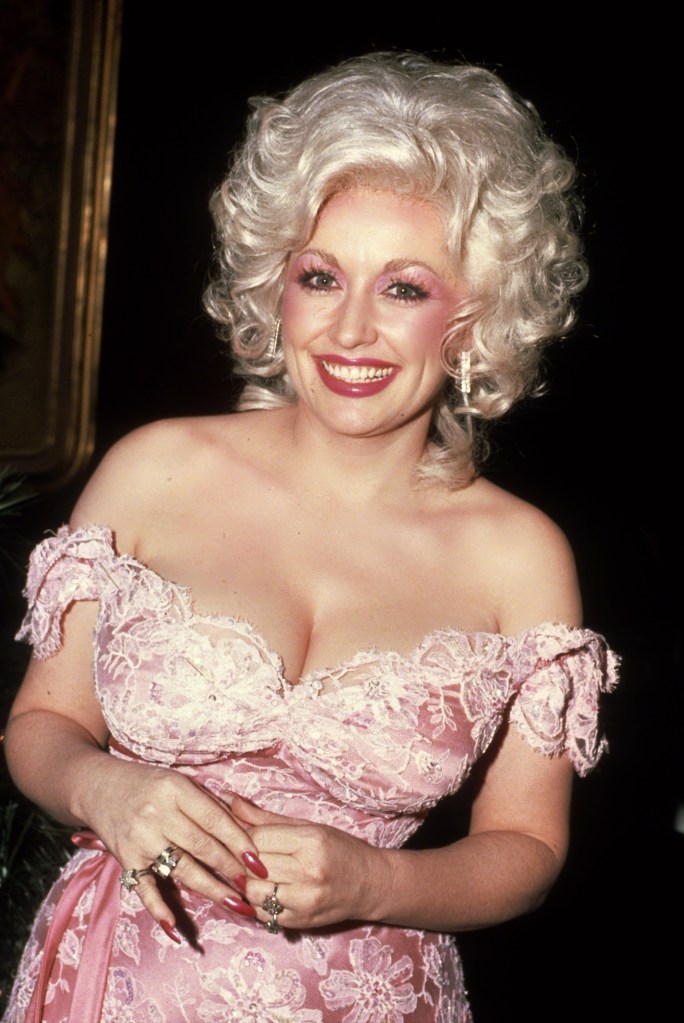
Stella’s decision to speak now, weeks after the burial, has offered fans their clearest window yet into Dolly’s final year. Each revelation has arrived measured and deliberate, much like the woman it describes.
Dolly’s estate has not announced any memorial events or tribute concerts.