

Drone strikes on civilian vehicles in Sudan have killed over 20 people in recent days, according to rights groups documenting escalating attacks in the country’s fourth year of conflict. The strikes targeted civilians heading to social gatherings in multiple incidents between Monday and Wednesday, highlighting the increasing use of unmanned aircraft in the war between the Sudanese Armed Forces and the paramilitary Rapid Support Forces.
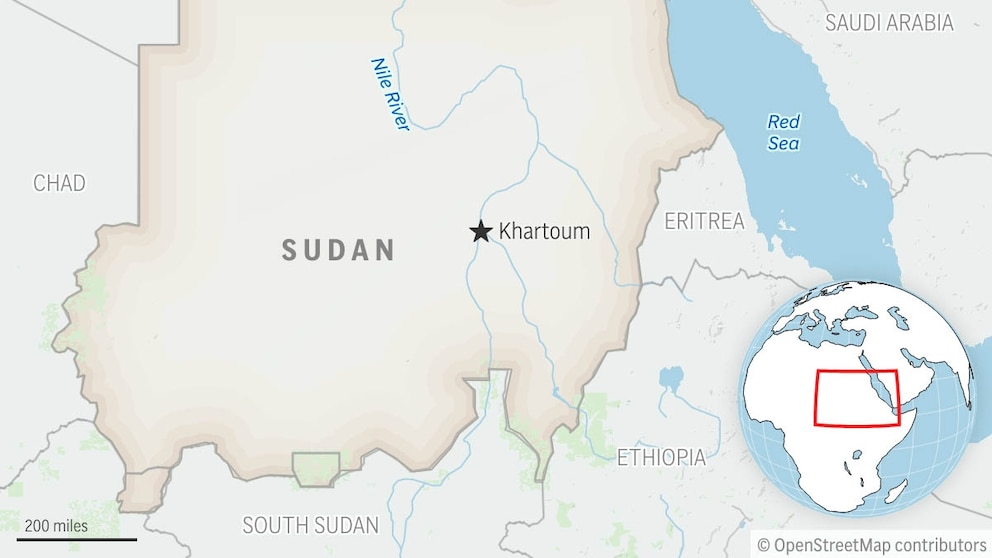
In the deadliest single attack, a drone strike on a road west of Omdurman, near the capital Khartoum, killed 10 civilians on Tuesday as they drove to a wedding. The Sudan Doctors Network said Wednesday that among the dead were five women from the same family. The vehicle caught fire immediately after being hit, and all 10 people inside died. The medical aid group, which has been tracking violence throughout the conflict, blamed the attack on the RSF and said the strike “was deliberate and carried out using a guided drone,” calling for the international community to pressure RSF leadership to stop targeting civilians.
The previous day, a separate attack proved equally devastating. Thirteen civilians, including five women, were killed when a drone struck their vehicle as they traveled to a wedding in al-Shaatout town in North Kordofan province. Emergency Lawyers, a rights group that tracks violence in Sudan, documented the deaths. A third drone strike on Tuesday hit a transport vehicle near a water facility in the province, killing two additional people.
Emergency Lawyers described these attacks as part of a pattern of escalating drone strikes on civilians. “This attack is part of an escalating pattern of drone attacks on civilians as drones continue to fly over the northern parts of the province monitoring residents’ movements,” the group said in a statement. The attacks reflect a troubling shift in Sudan’s conflict as both warring parties have increasingly deployed unmanned aerial vehicles as weapons of war.
North Kordofan has experienced a surge in drone strikes amid international concerns about military developments in the region. The area has become a flashpoint as the RSF pushes closer to the strategic city of el-Obeid, home to the army’s 5th Infantry Division. Strikes on el-Obeid itself have destroyed civilian infrastructure, including power facilities and neighborhoods, and have targeted bridges and key supply routes, according to United Nations assessments.
The use of drone warfare in Sudan has accelerated dramatically. According to the United Nations, over 1,000 civilians were killed in drone strikes in the first five months of 2026 alone. UN High Commissioner for Human Rights Volker Türk documented a “sharp increase” in drone attacks that has fundamentally transformed the character of Sudan’s conflict. Armed drones have become the leading cause of civilian deaths in the war, with strikes targeting hospitals, markets, schools, schools, dams and displacement camps.
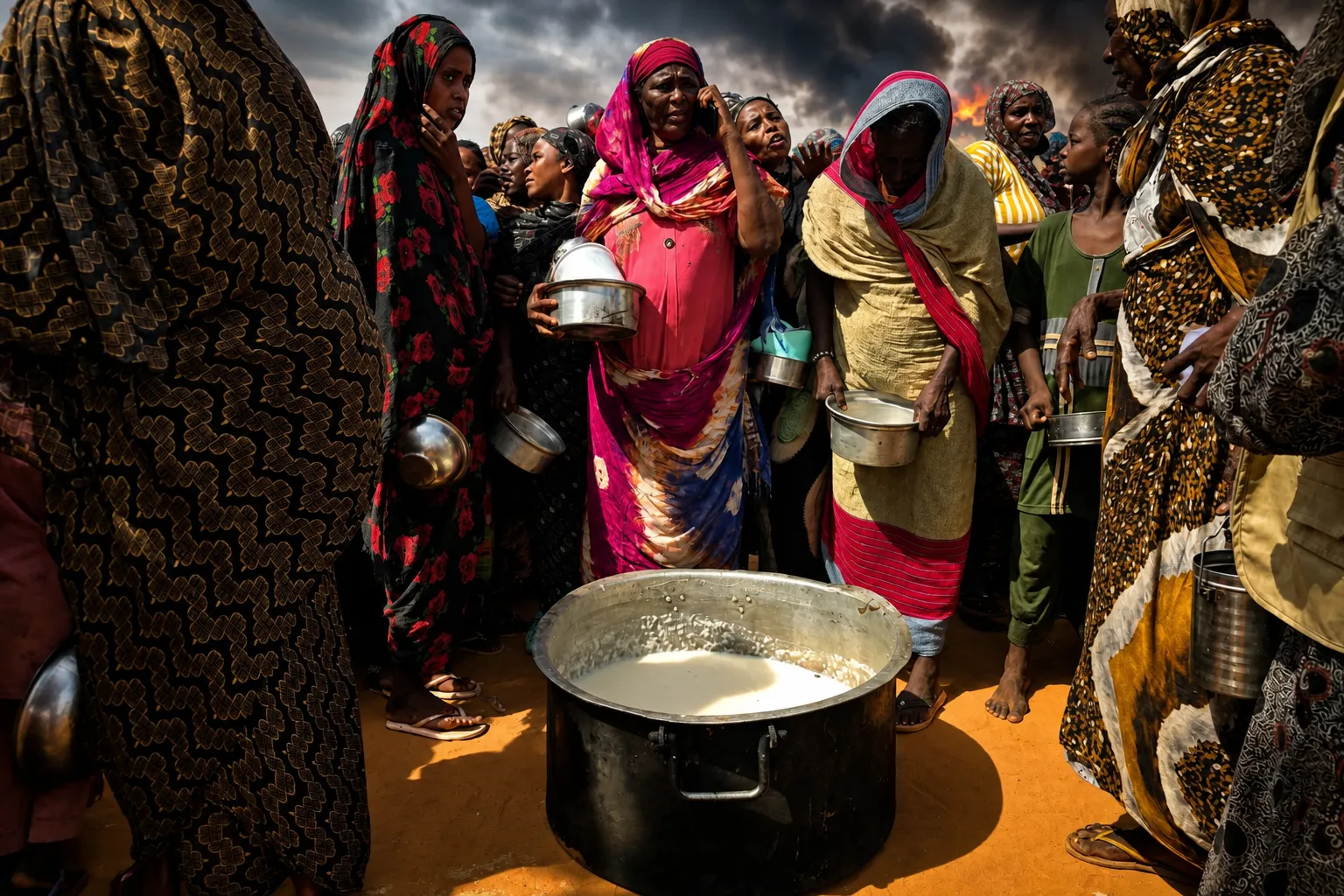
The overall toll of Sudan’s conflict continues to mount. The war, which began in April 2023 following a power struggle between the military and the RSF, has killed at least 59,000 people and displaced approximately 13 million, pushing many parts of the country into famine. The scale of displacement has made Sudan the world’s largest displacement crisis. The humanitarian emergency has grown even more severe, with approximately 34 million people—nearly two-thirds of Sudan’s population—in need of humanitarian assistance.
Both warring parties have increasingly deployed explosive-laden drones supplied by international backers, expanding the geographical scope of the conflict beyond traditional battlegrounds into civilian areas. The strikes have created an environment of terror for ordinary Sudanese, particularly in contested regions where military campaigns are intensifying.
Kordofan and Darfur have been epicenters of the violence, though heavy fighting has also erupted across the Blue Nile State. The army claimed Wednesday that it had recaptured the strategic border town of Kurmuk in Blue Nile State after heavy fighting with the RSF. The ongoing military operations, combined with escalating drone attacks, continue to displace civilians and worsen the humanitarian crisis that humanitarian organizations describe as the world’s largest.
The attack on civilians heading to social gatherings underscores how the conflict has disrupted the ordinary rhythms of civilian life. In many regions, even attending weddings or community events has become dangerous as drone operations expand. The pattern of attacks targeting vehicles on roads suggests the RSF is using drones to monitor and strike civilian movements across contested areas, a tactic that has deepened fear and displacement among Sudan’s already traumatized population.
Human rights organizations have called for urgent international action to prevent further arms transfers fueling the conflict. The continued arrival of weapons and advanced drone technology to both sides, despite a UN arms embargo, shows how external actors continue to supply the means for escalating violence. As drone warfare becomes increasingly central to Sudan’s conflict, the cost to civilians grows exponentially, with each strike claiming lives and deepening the country’s humanitarian catastrophe.