

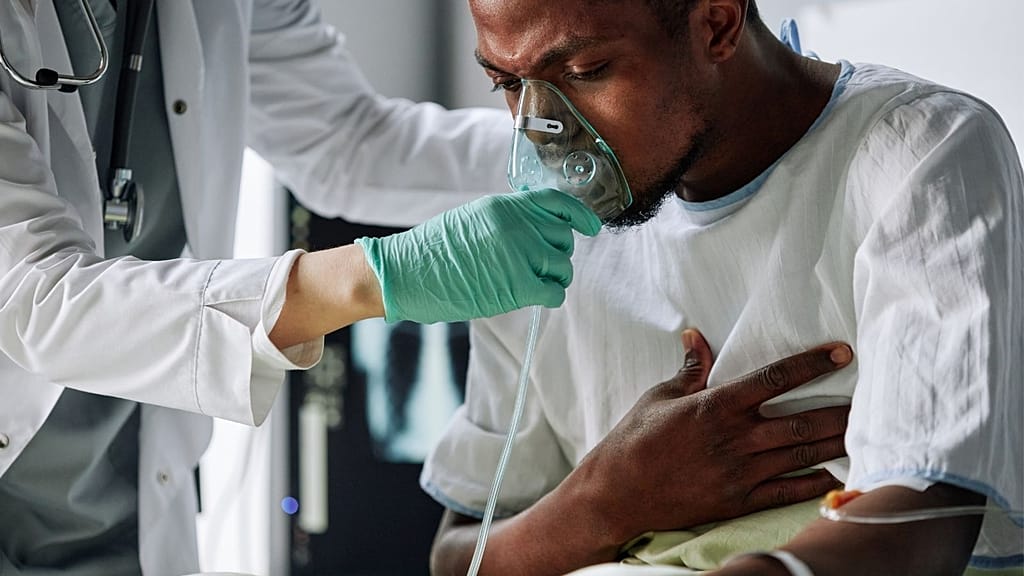
The fastest-growing Ebola outbreak in history has killed more than 1,500 people in eastern Congo, according to official data released Thursday, a 50% spike in around a week.
As of Tuesday, 3,442 cases have been recorded in the latest outbreak, and 1,521 people have died.
The government update came from Bunia, a city in Ituri Province.
The outbreak is continuing to outpace response efforts.
The outbreak declared on May 15 is unlike most previous Ebola outbreaks because the Bundibugyo virus responsible for it has no approved vaccines or treatments.
The verification of the source outlet’s summary is accurate.
The latest outbreak has killed more people at a quicker rate than any previous outbreak, including in 2014-2016 when 28,000 cases were reported, of which over 11,000 people died.
That outbreak took about eight months to reach 1,000 deaths.
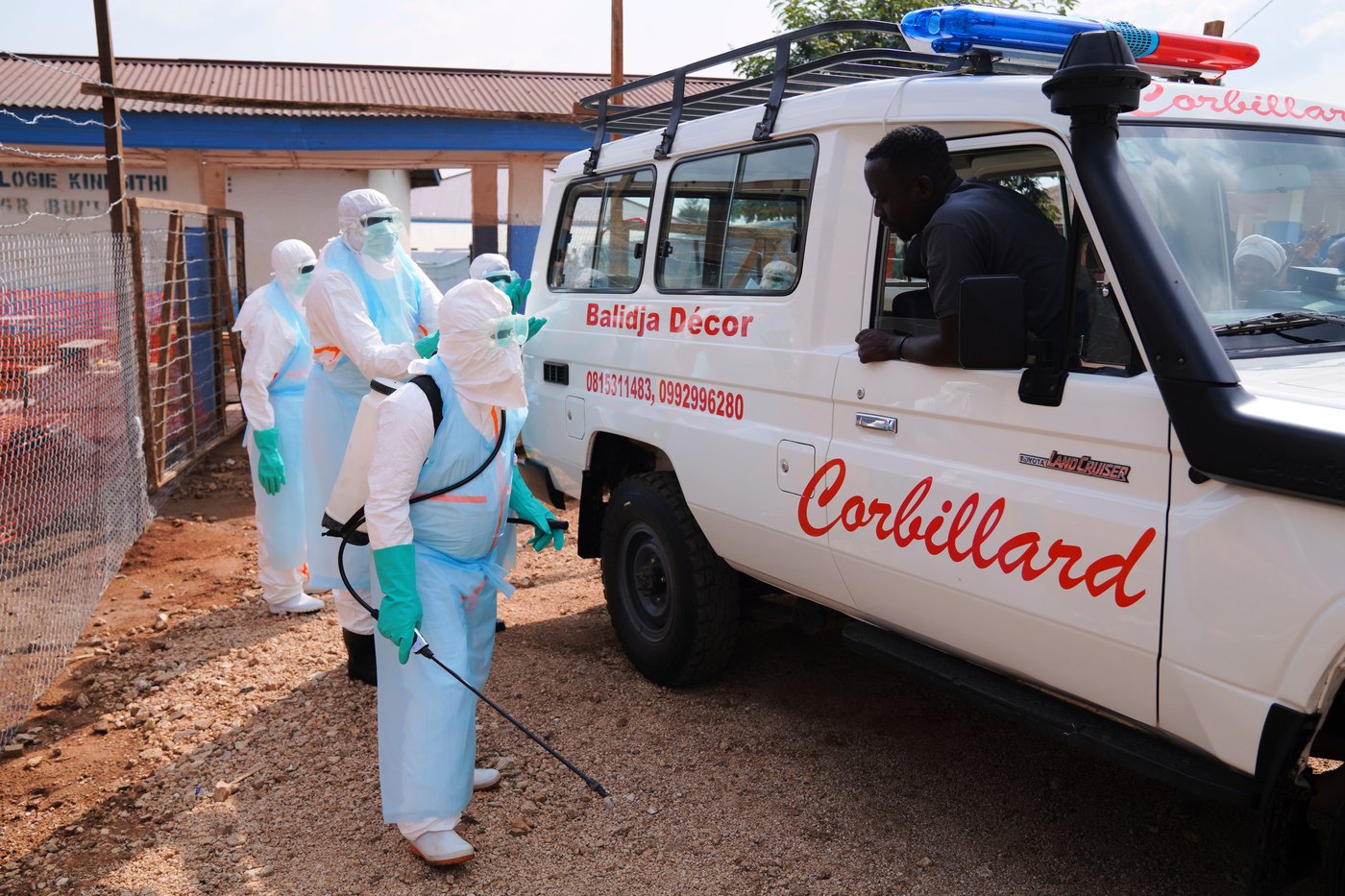
The outbreak is mostly concentrated in eastern Congo’s remote Ituri province, which accounts for nearly 90% of cases, but there have been others confirmed in five provinces including one of the country’s largest cities, Kisangani.
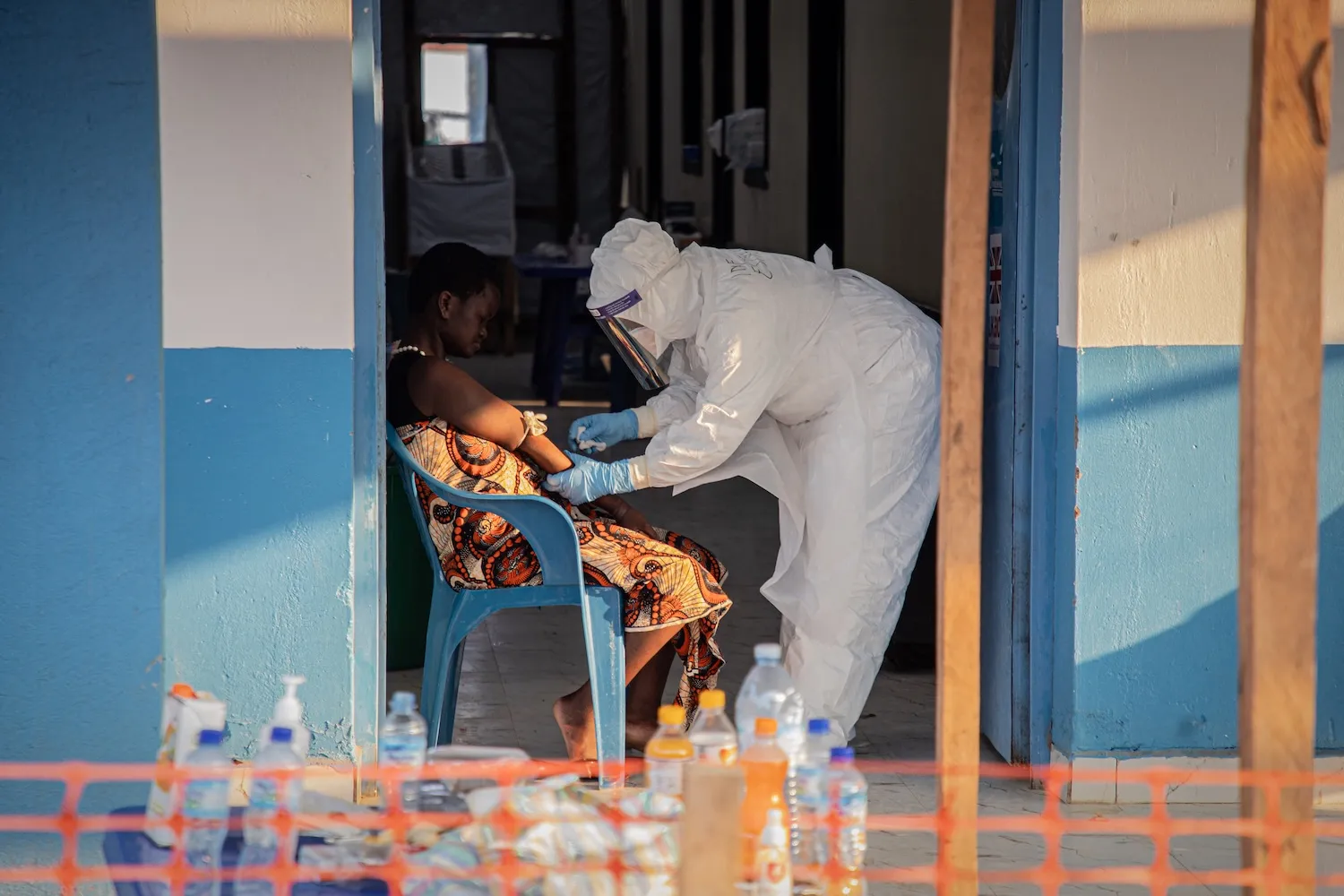
There are currently 797 patients in isolation or hospitalized, while a further 615 patients have recovered.
Contact tracing has fallen dangerously behind.
Contact tracing continues to lag, with only around 78% of known contacts monitored nationwide, well below the 95% target health officials say is needed to interrupt transmission.
Health workers are facing severe dangers in the field.
Attacks such as the one in Nyakunde are causing anxiety among health workers and making it difficult for them to carry out their duties, said Pierre Akilimali, the Ebola response incident manager at the National Public Health Institute of the Democratic Republic of the Congo. “They are working amidst risks of infection as well as risks to their personal safety,” he said.
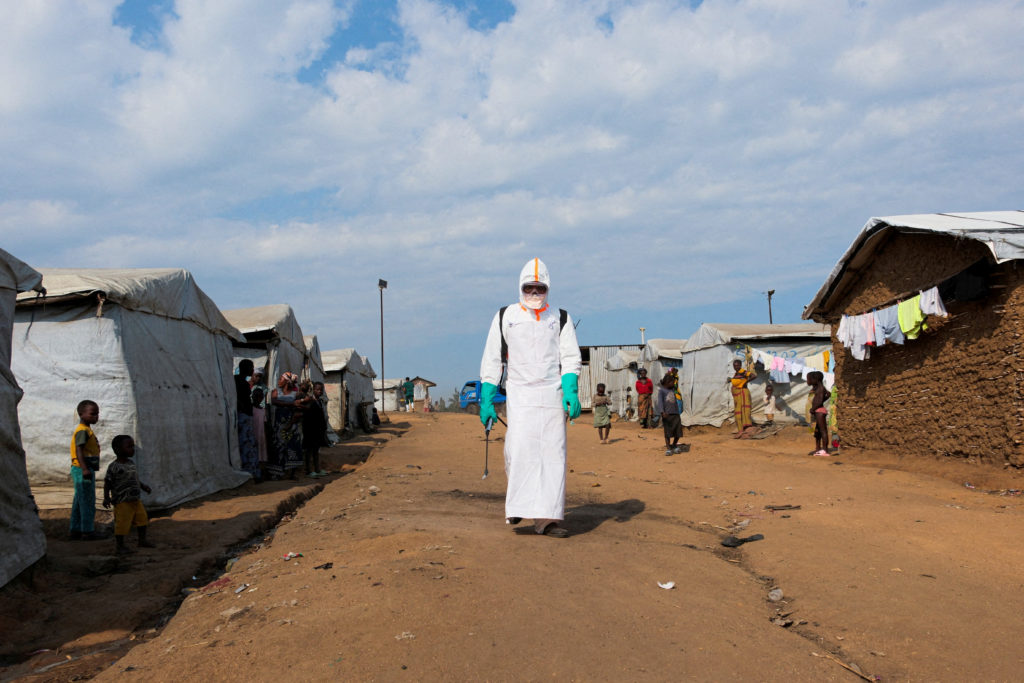
Local health officials say security has since stabilized and are urging partners to return, with Africa CDC saying teams could redeploy as soon as next week.
The speed of the outbreak’s spread is unprecedented.
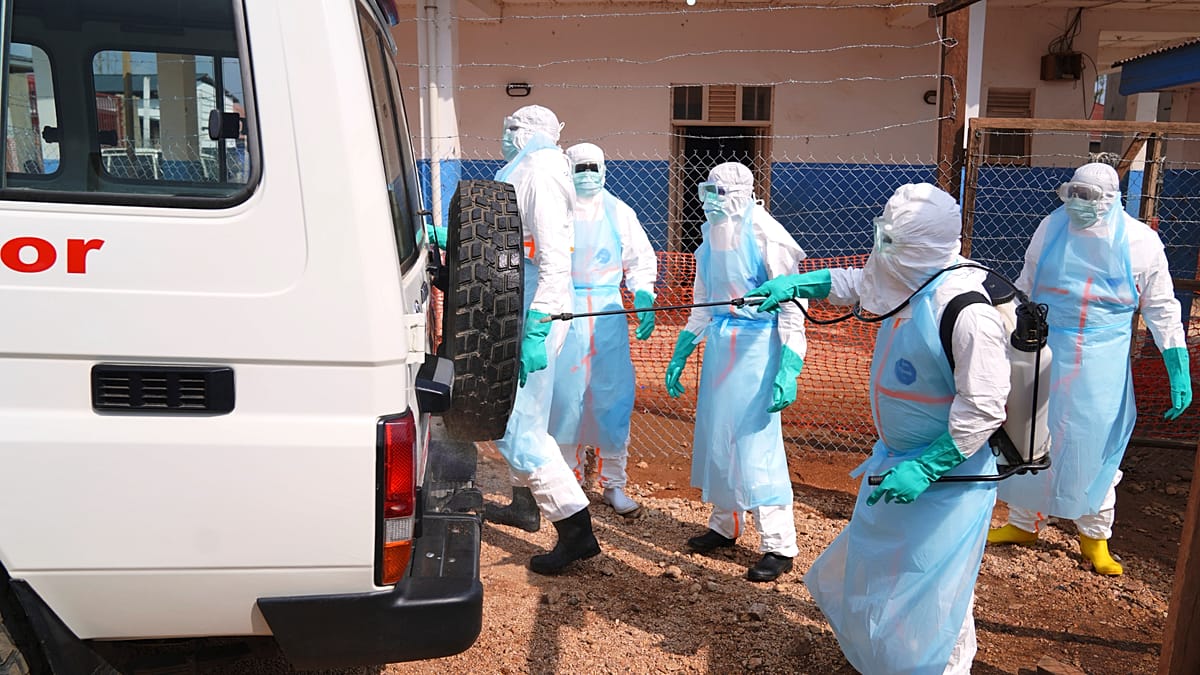
By 22 July, the death toll had exceeded 1,000, making it the fastest spreading outbreak of the virus ever recorded.
Médecins Sans Frontières described the epidemic as follows: “In two months, this outbreak has become the third largest, and fastest growing, Ebola disease outbreak on record”.
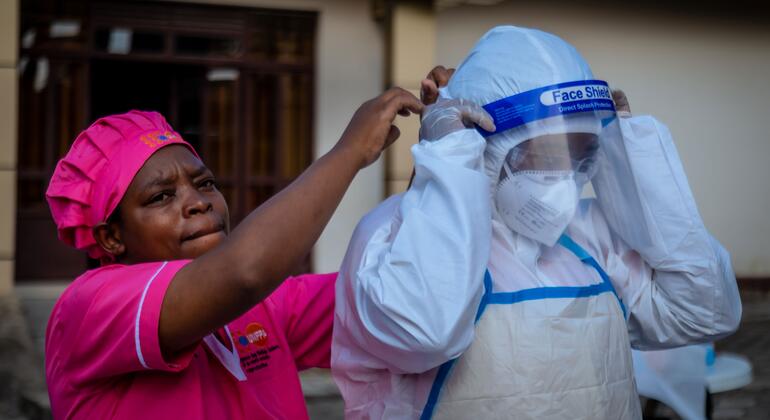
There is unrest among local Ebola responders themselves after weeks of risky crisis work and little or no pay from the Congolese government. Some staff have gone on strike at treatment centres and blocked access.
Striking staffers included epidemiologists, case investigators, drivers and gravediggers.
Community resistance has hindered the response.
Lack of trust and resistance from locals remain one of the biggest obstacles to containing the outbreak. Rumours about Ebola treatment centres, fears of isolation and resistance to safe burials have led some people to avoid testing or seek care only after becoming critically ill.
Crowds of people—including the relatives of patients—stormed Ituri’s Nyakunde Hospital, throwing stones and damaging its perimeter fence on July 15.
Dozens of attacks against medical facilities and teams have taken place since the outbreak began, primarily due to fear and mistrust within local communities.
Pierre Akilimali, incident manager for the Ebola response, said at a press briefing in Bunia, the capital of Ituri that many of the attacks have been carried out by angry mobs who have stormed treatment centers or targeted response teams in the field.
The worsening security situation has forced several humanitarian partners involved in the Ebola response to temporarily relocate staff to Bunia which is relatively safer.
Neighboring Uganda declared itself free of Ebola on Tuesday following the discharge of the country’s last patient in mid-June.