

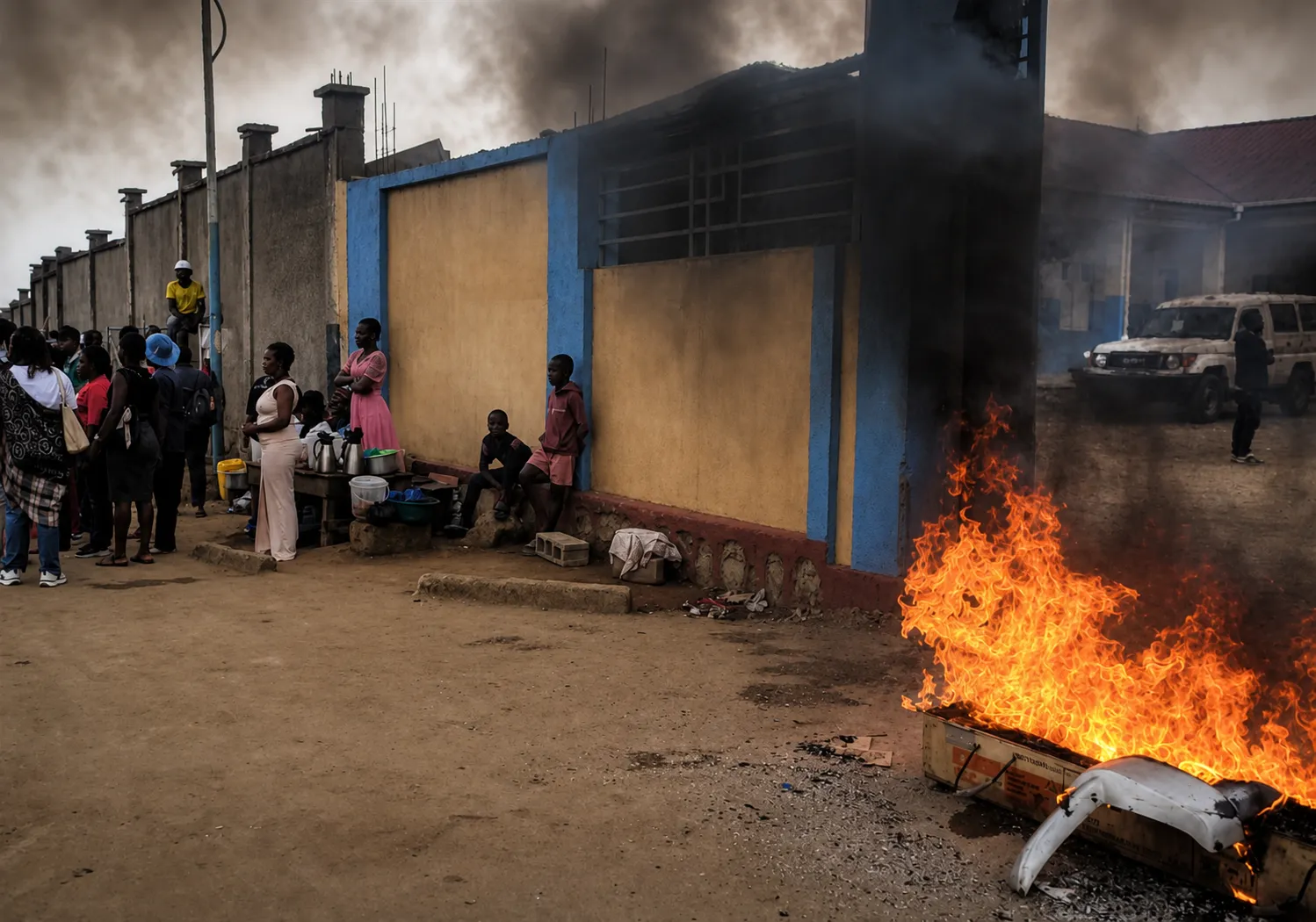
Violent attacks on health facilities and workers are severely hampering efforts to contain Congo’s Ebola outbreak, with authorities reporting more than a dozen recorded incidents that have forced humanitarian organizations to pull staff from remote communities and leave some patients without care.
At least a dozen attacks on health facilities and workers have been recorded during the Ebola outbreak in Ituri province, Africa’s worst-affected region in what officials have called the fastest-growing Ebola outbreak on record. Safety fears are now restricting the response at the outbreak’s epicenter, with some of the attacks carried out by angry mobs who have stormed treatment centers or targeted response teams in the field, according to Pierre Akilimali, the incident manager for the Ebola response.
The most recent attack occurred Wednesday in the town of Nyakunde, when residents attacked a hospital and an adjacent Ebola treatment center. The assault forced occupants, including patients, to flee the facility. Treatment resumed Thursday at the center, but concerns remained about the risks of disease transmission amid the chaos. Samaritan’s Purse, a Christian aid organization operating an Ebola treatment center next to the hospital, evacuated its staff after the situation deteriorated, and the organization has not returned to the facility since.
The violence reflects deep frustration and mistrust within communities where funeral restrictions have been imposed to prevent transmission. Traditional funerals, where family members wash and prepare bodies for burial, have been banned because Ebola spreads through contact with bodily fluids. These restrictions, which require burials to be conducted only by specialized teams, have angered residents who feel unable to perform sacred cultural and religious practices for their deceased loved ones.
The attacks are not limited to healthcare workers. Burial teams have also been threatened and held captive in some health zones, according to Dr. Adelard Lufongola, the operations manager for the Ebola response. “Members of the various response teams have been held captive in some health zones. Teams responsible for safe and dignified burials have been threatened and continue to be threatened in some cemeteries and within several communities,” Lufongola said during a briefing.
The situation has created a desperate crisis for aid organizations. The worsening security situation has forced several humanitarian partners involved in the Ebola response to temporarily relocate staff to Bunia, the provincial capital, which is considered relatively safer. In Ituri province, which accounts for around 90 percent of all cases, health and aid workers have been leaving remote communities considered hot spots and heading to Bunia in recent days.
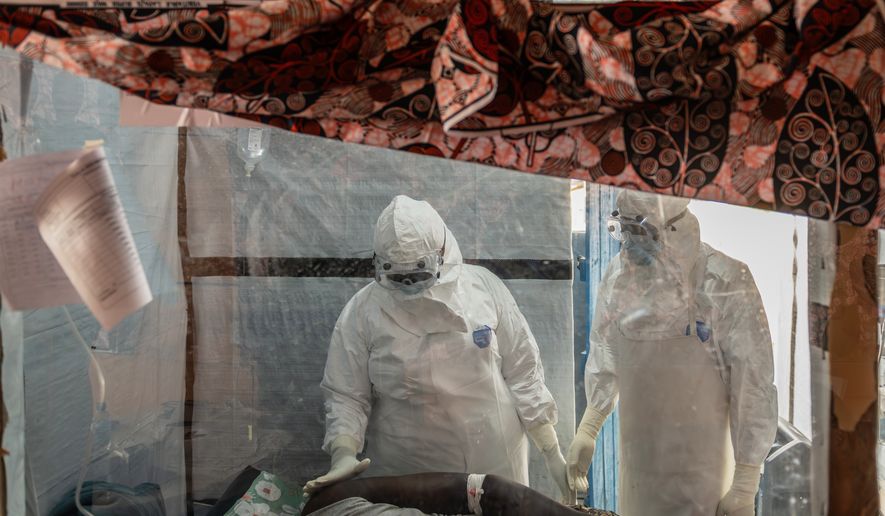
The outbreak itself is already testing the limits of the region’s fragile health infrastructure. So far, 2,181 cases have been recorded, including 864 deaths. The Bundibugyo virus responsible for this outbreak is less common than others that cause Ebola disease, and there is no approved vaccine or treatment. The outbreak is considered especially dangerous because it is spreading at unprecedented speed.
Compounding the violence and medical challenges, many health workers and other frontline workers in Ituri province have gone on strike over unpaid salaries, further complicating response efforts. The security risks have fueled these labor disputes, as workers say their compensation does not reflect the workload and stress they endure while facing attacks from community members.
One recent incident illustrated the community anger. In Nyakunde, residents attacked after a woman died at the hospital following its refusal to perform a blood transfusion, which is prohibited during an Ebola outbreak due to transmission risks. Family members who wanted to donate blood were turned away, and their anger contributed to the violent response.
The United Nations has expressed deep concern about the escalating violence. U.N. Spokesman Stéphane Dujarric stated that humanitarian actors are “deeply concerned by escalating violence” impacting the Ebola response and that access to treatment centers and surrounding communities remains constrained. The violence threatens to undermine efforts that are already struggling against misinformation and community mistrust.
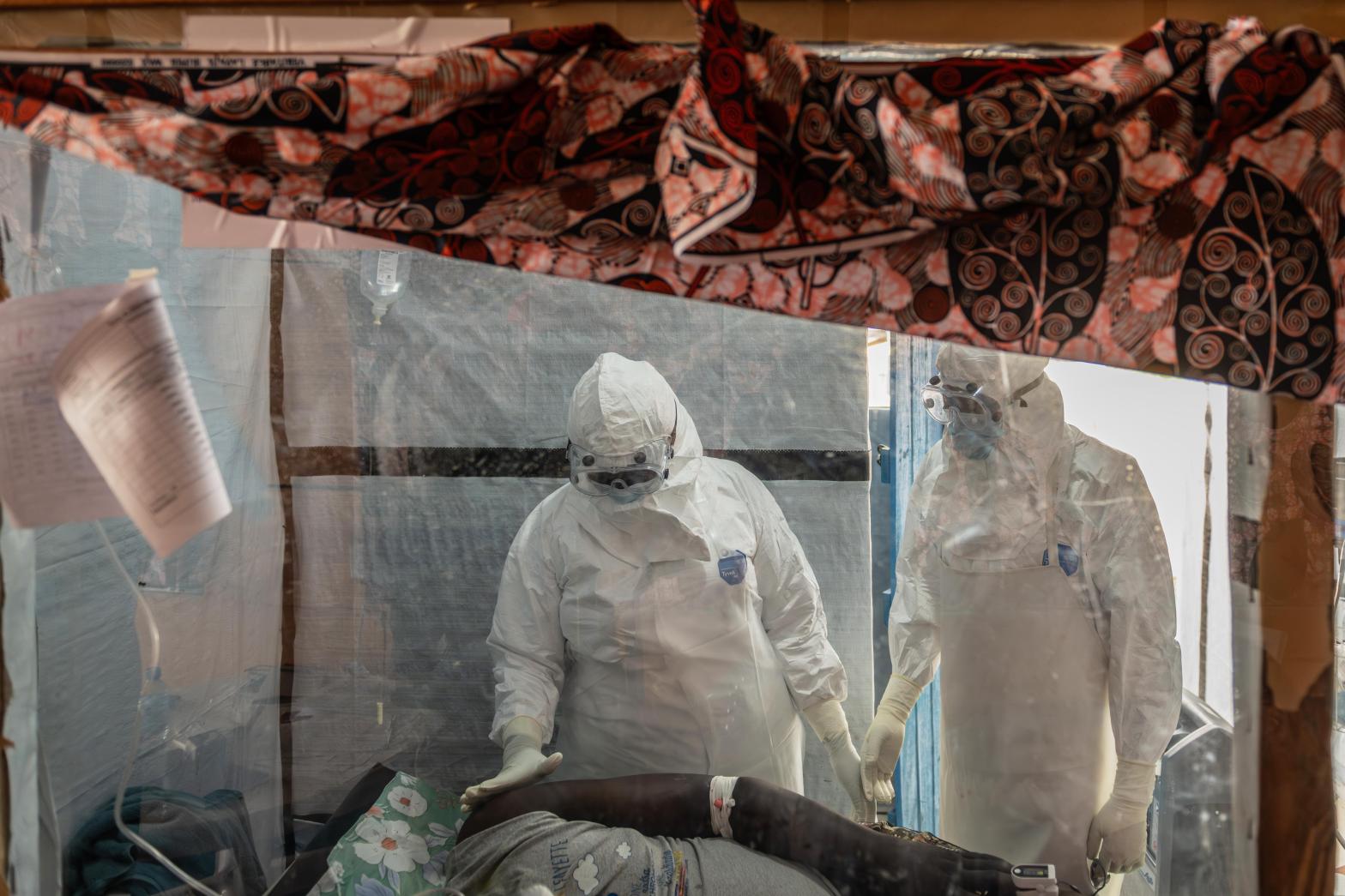
Civil society leaders fear the exodus of aid workers could prove disastrous. “I fear that the aid workers involved in combating this Ebola outbreak are going to leave the area. This risks making the task of eradicating the outbreak more difficult,” said Christophe Munyanderu, a civil society leader in Ituri’s Irumu territory.
The attacks recall violence during a 2018-2020 Ebola outbreak in eastern Congo that killed more than 25 health workers, raising concerns that the current outbreak could see similar tragedy. The region’s long history of armed conflict, which has displaced hundreds of thousands of people and created lawlessness in some areas, has made it particularly difficult to conduct public health operations.
Misinformation has also played a role in fueling the violence. Some community members have questioned whether the outbreak is real, while others have attributed deaths to witchcraft or accused foreigners and aid organizations of profiting from the crisis. Without proper engagement with religious and community leaders, public health messages about the disease have failed to penetrate the population, leaving many residents suspicious of health authorities’ intentions.