

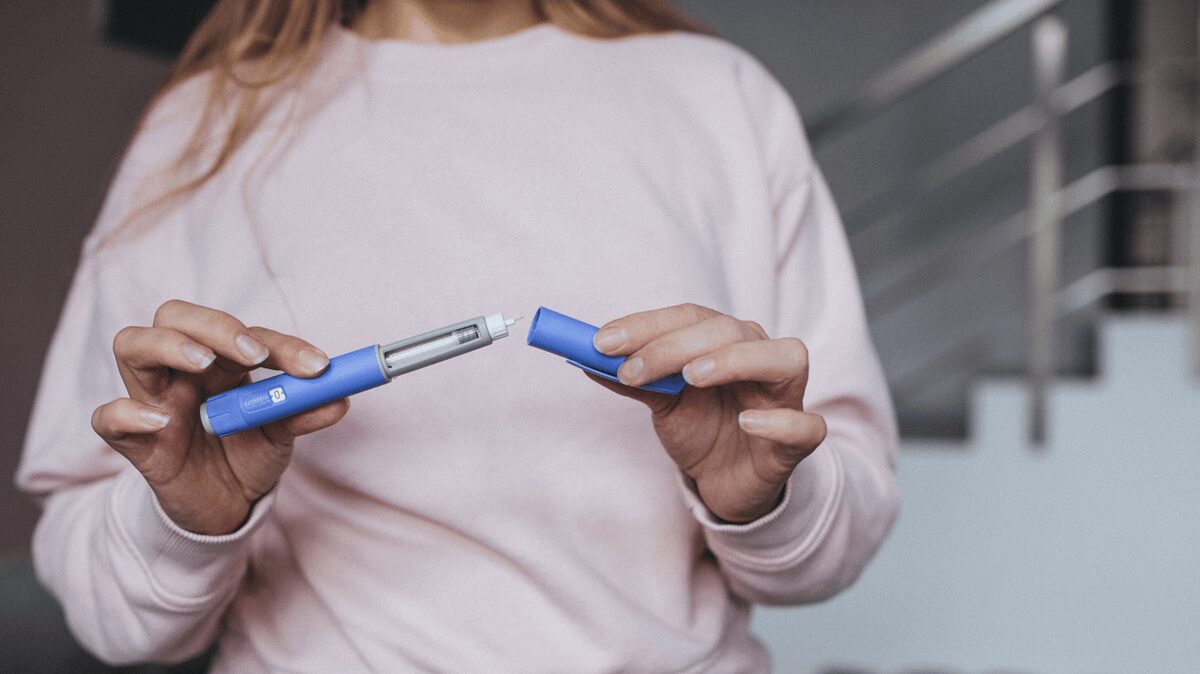
Ozempic and Mounjaro have become household names, and another medication in the same broader category could be on the horizon.
While these treatments are widely discussed in the context of weight loss, GLP-1 medicines such as Ozempic and Mounjaro are primarily designed for people with type 2 diabetes to help manage blood sugar. Even so, they’re increasingly being used off-label by some patients specifically to support weight reduction.
Use of these drugs has also drawn attention in celebrity circles, with figures such as Kris Jenner publicly acknowledging they’ve tried Ozempic. In the US, Ozempic can be prescribed and has also been provided off-label for weight loss in some cases.
Now another contender has entered the conversation: a new injection that’s been dubbed the ‘Godzilla’ fat jab. Here’s what it is, what sets it apart from existing options, and when it might become available.
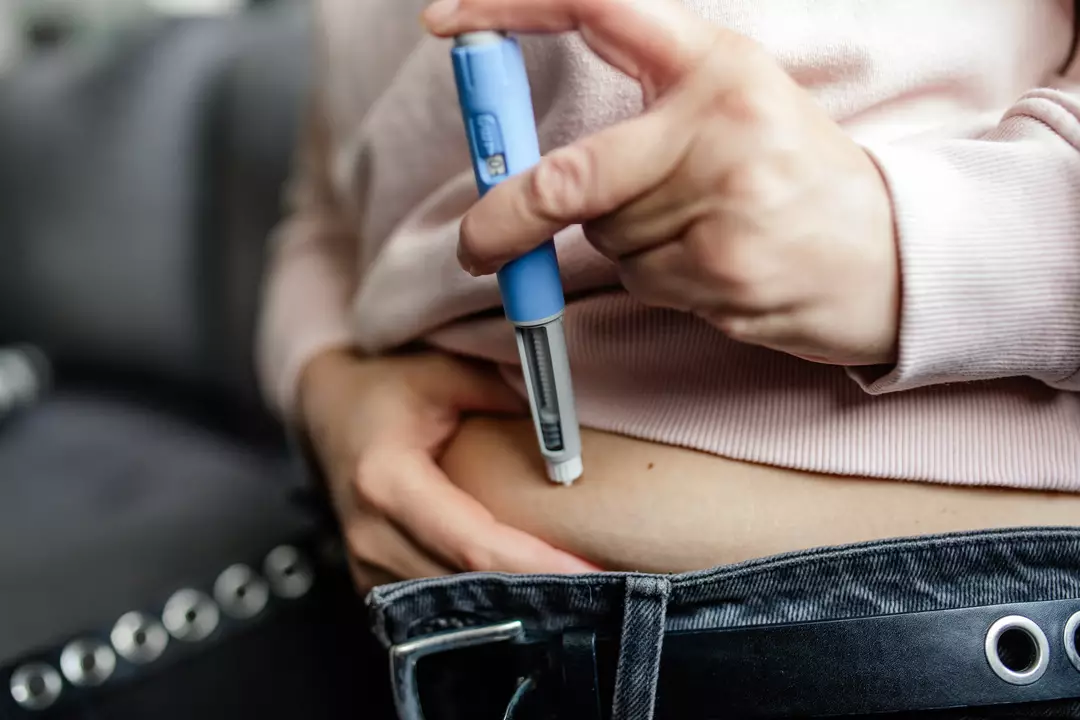
The injection in question is retatrutide. It has picked up the nicknames ‘Godzilla’ and ‘Triple G’ because it activates three receptors tied to appetite and metabolism at the same time: GIP, GLP-1, and glucagon, according to the CDC. Because it works across all three pathways, the agency notes it ‘represents a groundbreaking advancement in obesity and T2DM pharmacotherapy’.
By comparison, currently available weight-loss medications typically focus on one or two hormone targets, as outlined by drugs.com.
Retatrutide has not been approved by the FDA. It is still being evaluated in Phase 3 clinical trials to assess how well it works and how safe it is for type 2 diabetes, along with other areas including chronic low back pain and cardiovascular and renal outcomes, the same source reports.
Specialists have also cautioned that products being marketed online as retatrutide are not legitimate, may be illegal, and could pose major safety risks.
According to drugs.com, the medication must complete Phase 3 trials before Eli Lilly can submit a formal request for FDA approval—a process that can take roughly a year once filed.
If timelines stay on course, the drug could reach the market in 2027 or 2028.

So far, trial results related to weight loss have been encouraging. Earlier this month, Eli Lilly said the drug produced an average weight loss of 28.3% over 80 weeks in the Phase 3 TRIUMPH-1 trial.
The study included 2,339 adults who were overweight or obese and had a weight-related health condition that was not diabetes.
Researchers reported participants lost roughly 19% to 28% of their body weight, alongside an average reduction of 9.5 inches in waist size.
The company also said 65.3% of participants taking 12 mg reached a BMI under 30 at the 80-week mark.
As with other medications, side effects are possible. Reported issues may include nausea, vomiting, diarrhoea, and constipation.