

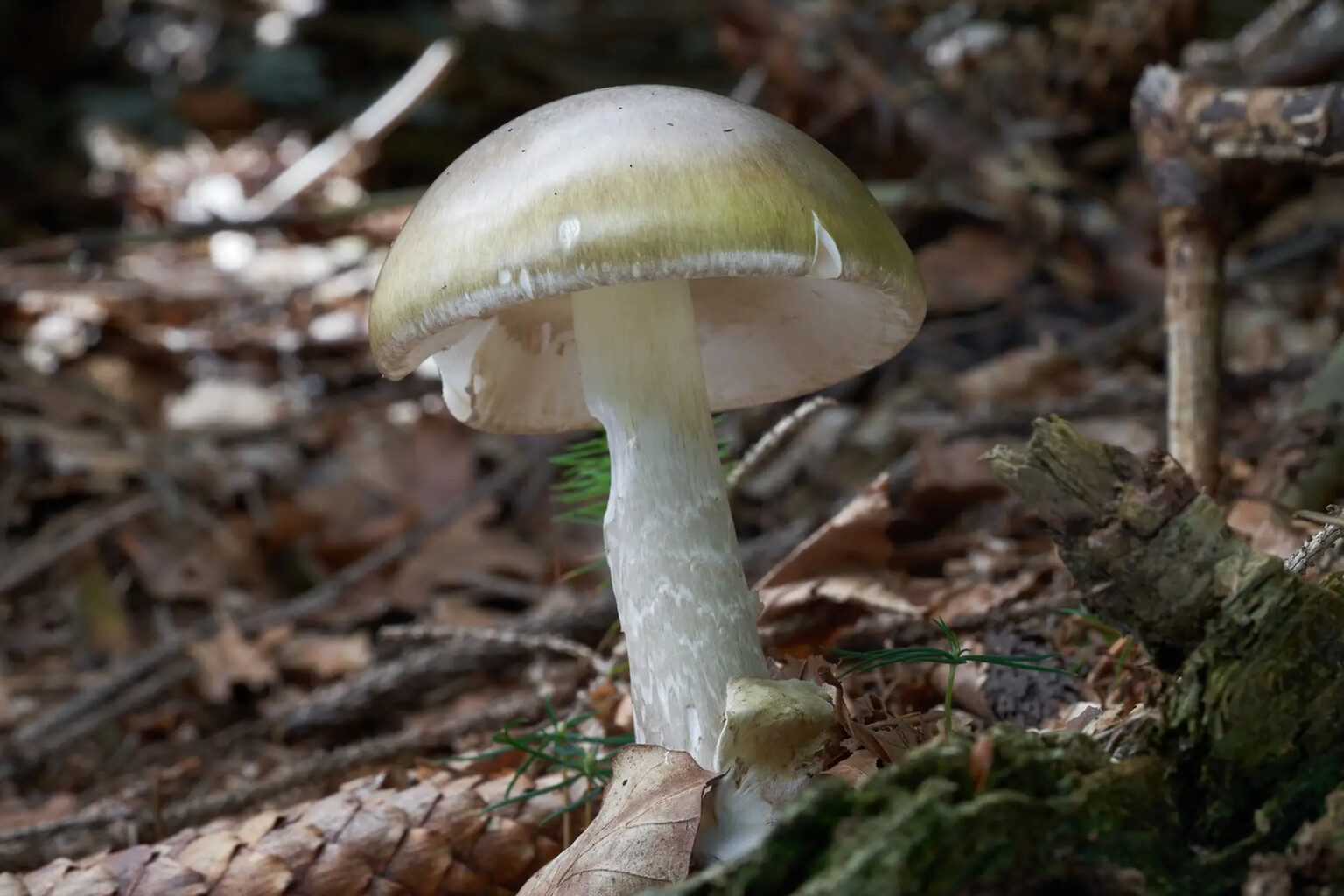
California health officials have issued a fresh warning that the ongoing El Niño cycle could fuel a dangerous surge of poisonous mushrooms across the state.
The California Department of Public Health put out an advisory naming two lethal species, the Death Cap and the Western Destroying Angel, as particular threats this season. Both mushrooms have caused poisonings in the past and can be mistaken for edible varieties.
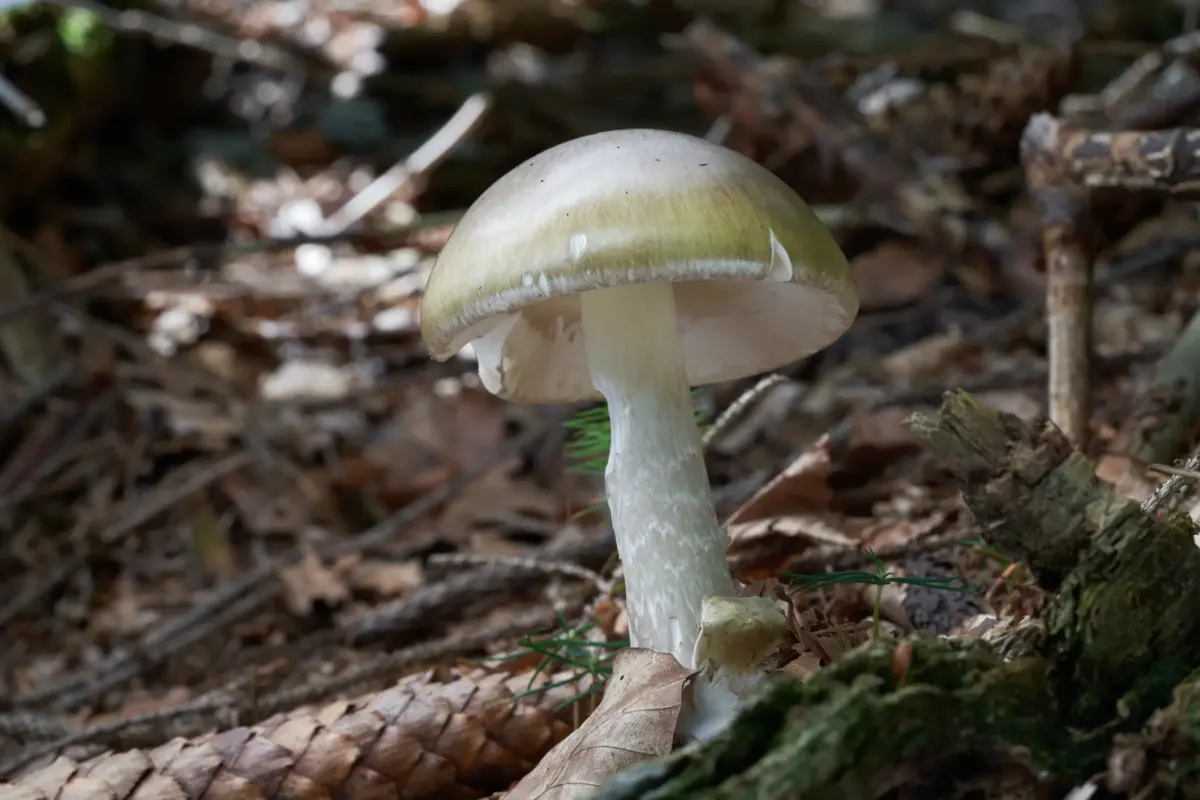
Between November 2025 and May 2026, these two species were responsible for 50 poisoning cases in California, according to the department’s statement. Four of those victims required liver transplants, and four others died.
The Death Cap, or Amanita phalloides, originally native to Europe, has spread to the United States and ranks among the most poisonous mushrooms worldwide. Just half of one cap contains enough toxin to kill an adult human. The Western Destroying Angel, or Amanita ocreata, is native to the Pacific coast and matches the Death Cap in toxicity.
Both species grow on the ground near oak trees and tend to fruit more heavily during warmer, wetter conditions. The El Niño pattern has already brought heavy rains to California, and experts note that increased moisture levels could lead to greater numbers of mushrooms sprouting than usual.
The danger is compounded by how ordinary these killers look. Death Caps bear a strong resemblance to the edible Paddy Straw Mushroom, or Volvariella volvacea. The Western Destroying Angel and juvenile Death Caps can both be mistaken for edible Puffball mushrooms.
The advisory added: “It is unknown what impact this year’s anticipated El Niño weather pattern will have on the quantity and the distribution of Death Cap and Western Destroying Angels.”
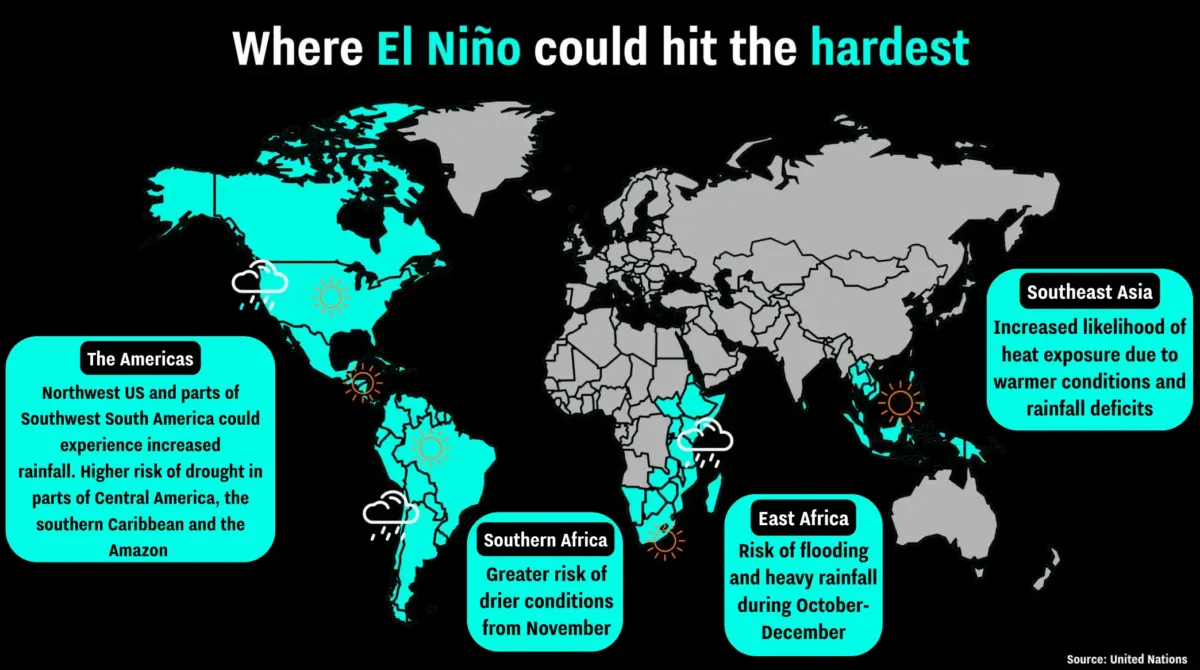
According to the British Columbia Center for Disease Control, consuming Death Caps can cause kidney failure and liver damage, and can be fatal. The Western Destroying Angel causes similar harm to both organs, with both species capable of killing an adult.
Mushroom foraging remains legal in California, but officials regularly caution the public about misidentification risks. The state has not moved to ban the practice despite the recurring casualties.
Julie Schreiber, a mushroom expert with the North American Mycological Association, warned the outlet about the perils of casual foraging.
“People who pick mushrooms have to be incredibly careful,” she said. “There is no telltale sign of difference between the poisonous mushrooms and edible mushrooms. You have to be 100% CERTAIN before you ingest these mushrooms.”
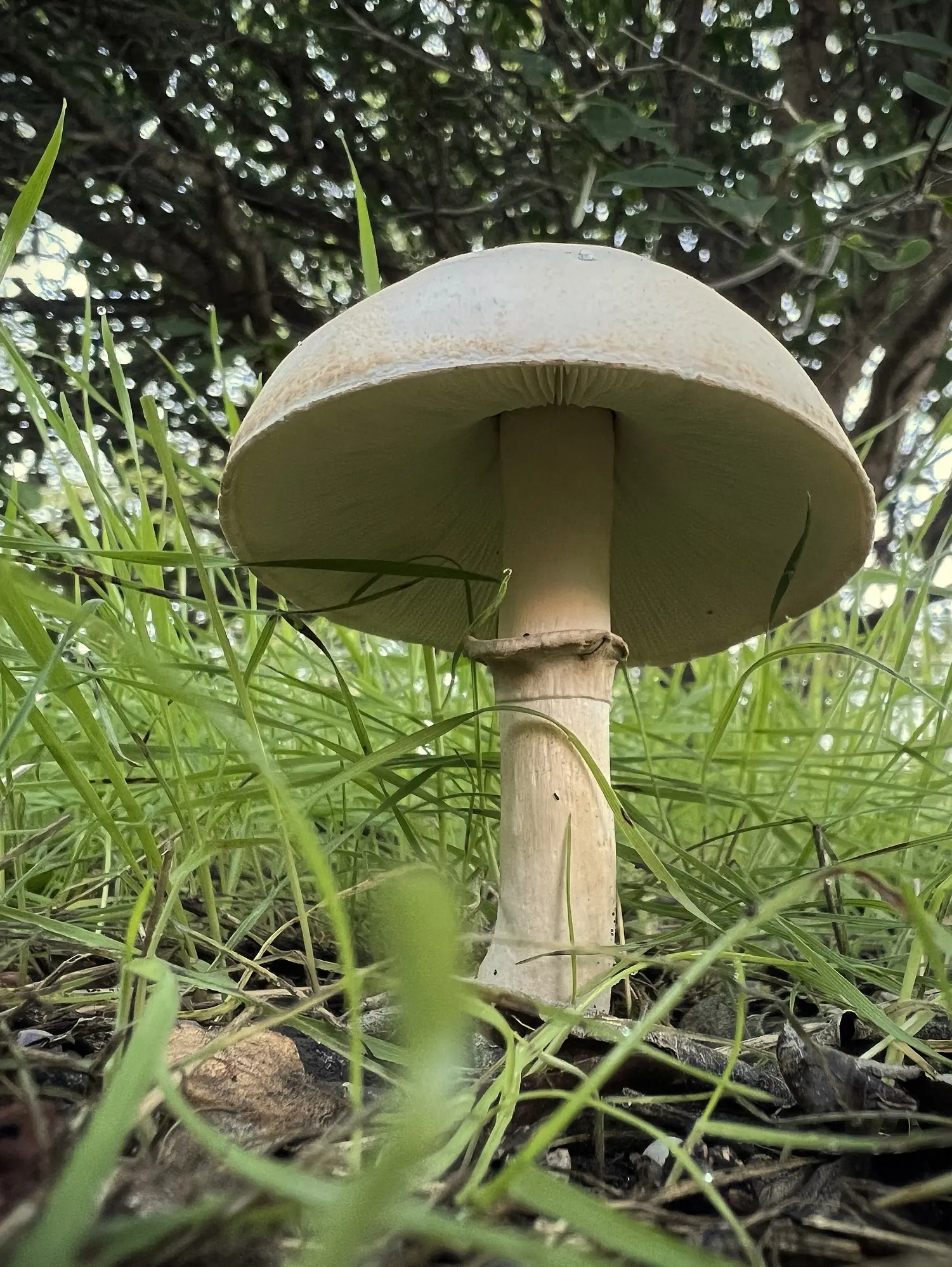
The 2025-2026 season’s death toll of four confirmed fatalities underscores the stakes. Four additional survivors only made it through after receiving liver transplants, a dramatic intervention that illustrates how quickly these toxins overwhelm the body.
Neither species offers any reliable visual cue that distinguishes it from harmless lookalikes. The lack of a simple rule—such as a color pattern or growth habit—forces foragers to depend on precise species identification, a skill that takes considerable training.
El Niño’s influence on California precipitation patterns has been well documented, with the current cycle delivering the heavy rains that set the stage for this warning. Warmer temperatures combined with that moisture create ideal fruiting conditions for both Amanita species.
Health officials continue to monitor the situation as the season progresses, with the full effects of the weather pattern on mushroom distribution still uncertain.