

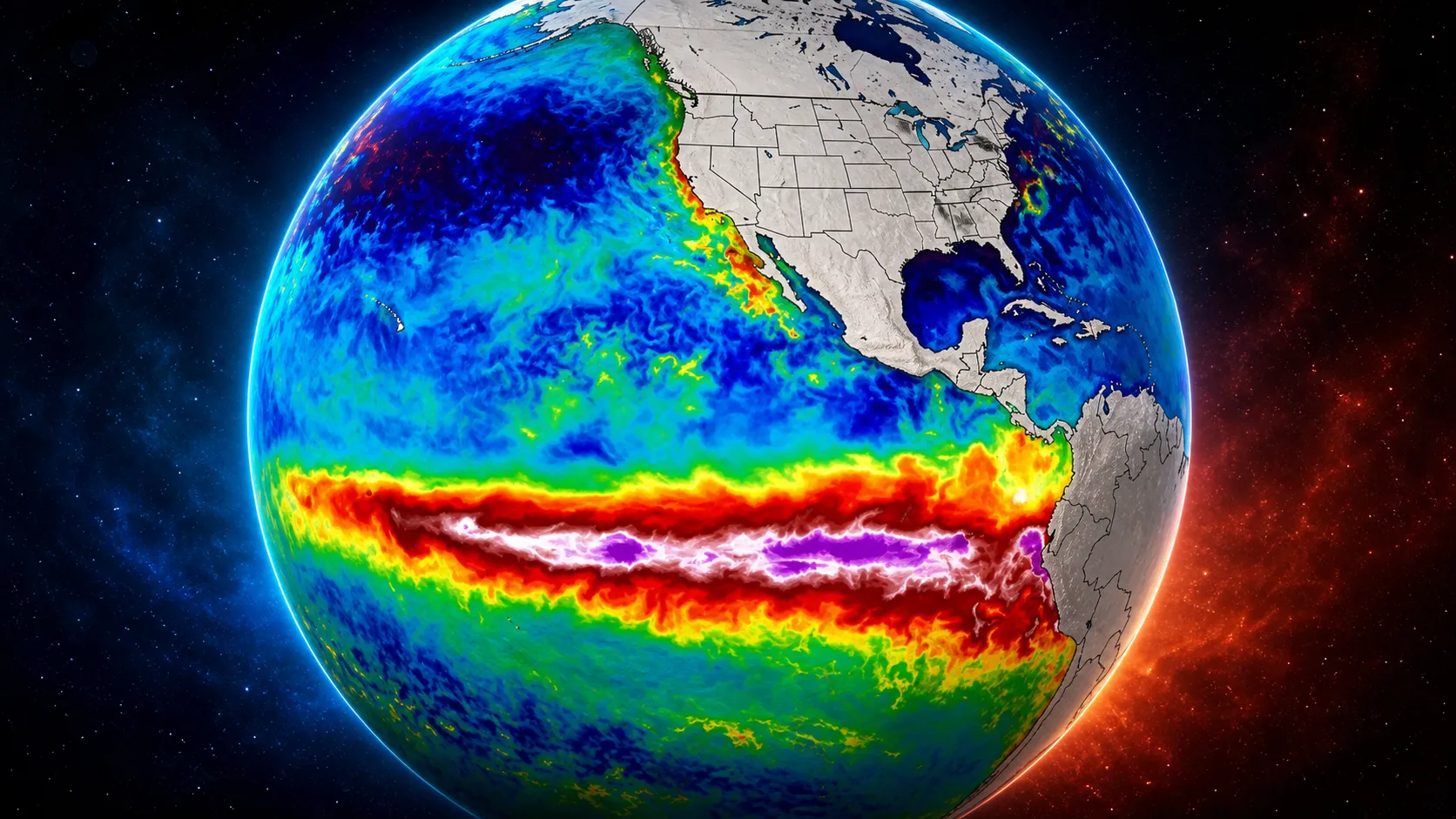
Specialists are warning that a new El Niño could push global food costs higher.
The World Meteorological Organization said on June 2, 2026, that El Niño conditions are developing in the tropical Pacific and are expected to influence weather and climate patterns around the world in the months ahead. NOAA’s Climate Prediction Center said on June 4 that ENSO-neutral conditions were still favored for April-June 2026, but that El Niño was likely to emerge during June-August 2026.
That means the event is no longer just a possibility, but it is still early in its development and its final strength remains uncertain. WMO said there is about an 80% chance of El Niño conditions in June-August 2026, rising to around 90% for September-December, with most forecast models pointing to at least a moderate event and some indicating it could become strong.
It forms part of a larger climate cycle that also includes La Niña, terms that translate from Spanish as ‘the boy’ and ‘the girl’.
El Niño develops when ocean surface temperatures rise above normal levels.
Because the oceans are central to global weather systems, warmer surface waters can influence evaporation, cloud formation, rainfall, and storms. NOAA says ENSO can affect weather patterns around the world by influencing winds, pressure systems, and precipitation.
Although El Niño’s environmental effects have been widely studied, the World Bank is also warning about the potential economic fallout, particularly for food prices. The bank’s food security update says a 61% to 87% probability of El Niño emerging by mid-2026 and continuing into 2027 could threaten crop production in South Asia, Southern Africa, and parts of East Asia, with rice output potentially falling by 20% to 50%.
The weather event is expected to add more strain to agriculture at a time when farmers are already dealing with elevated fertiliser costs linked to conflict in the Middle East. The World Bank’s April 2026 Commodity Markets Outlook projected fertilizer prices would rise 31% on average in 2026, to their least affordable level since 2022, while warning that food prices could rise further if the conflict drags on or if a stronger-than-expected El Niño emerges.
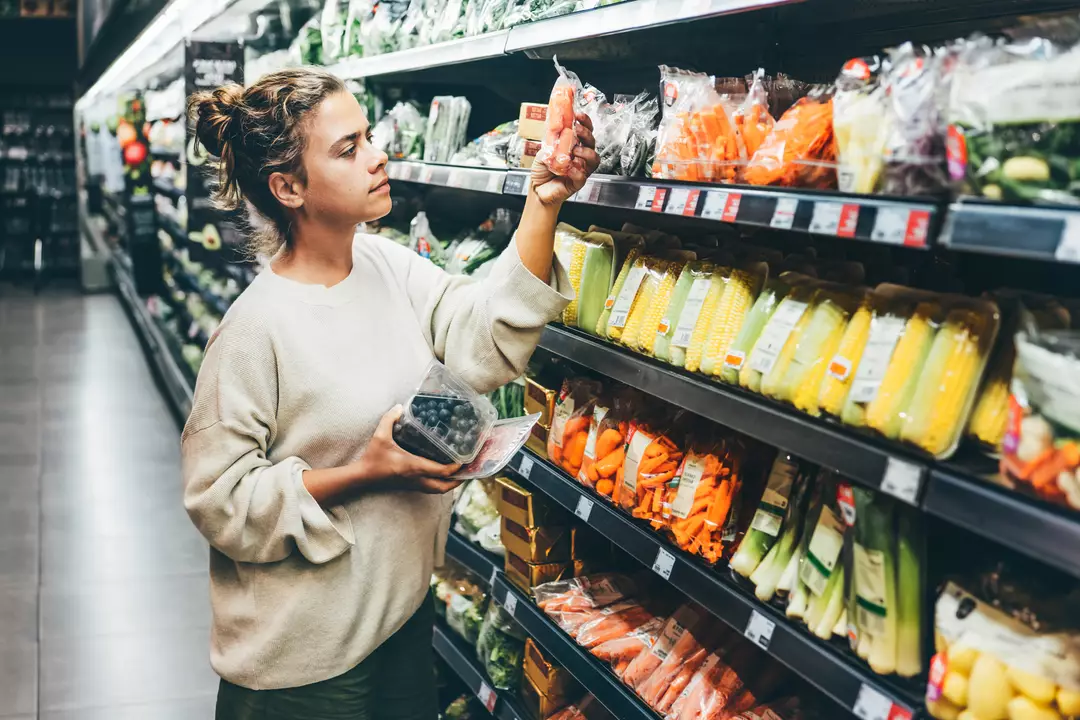
The World Bank said ‘disruptive weather’ tied to El Niño may create ripple effects across food markets.
“Beyond developments in the Middle East, the possible emergence of El Niño weather conditions could push food prices above current expectations,” the bank said in a statement earlier this week.
In simple terms, climate disruptions caused by El Niño can reduce crop output, tighten supply, and place upward pressure on prices. World Bank researchers have also noted that when El Niño coincides with other shocks, such as higher energy and fertilizer costs, the combined effect can be especially painful for food-importing countries and poorer households.
William Jackson, chief emerging markets economist at Capital Economics, told the Financial Times that ‘no two El Niños are the same’, which makes the full scale of the damage difficult to estimate.
Still, economists believe food prices are especially exposed. Data published by the European Central Bank in 2023 outlined how a ‘strong’ El Niño could weigh heavily on the wider economy.
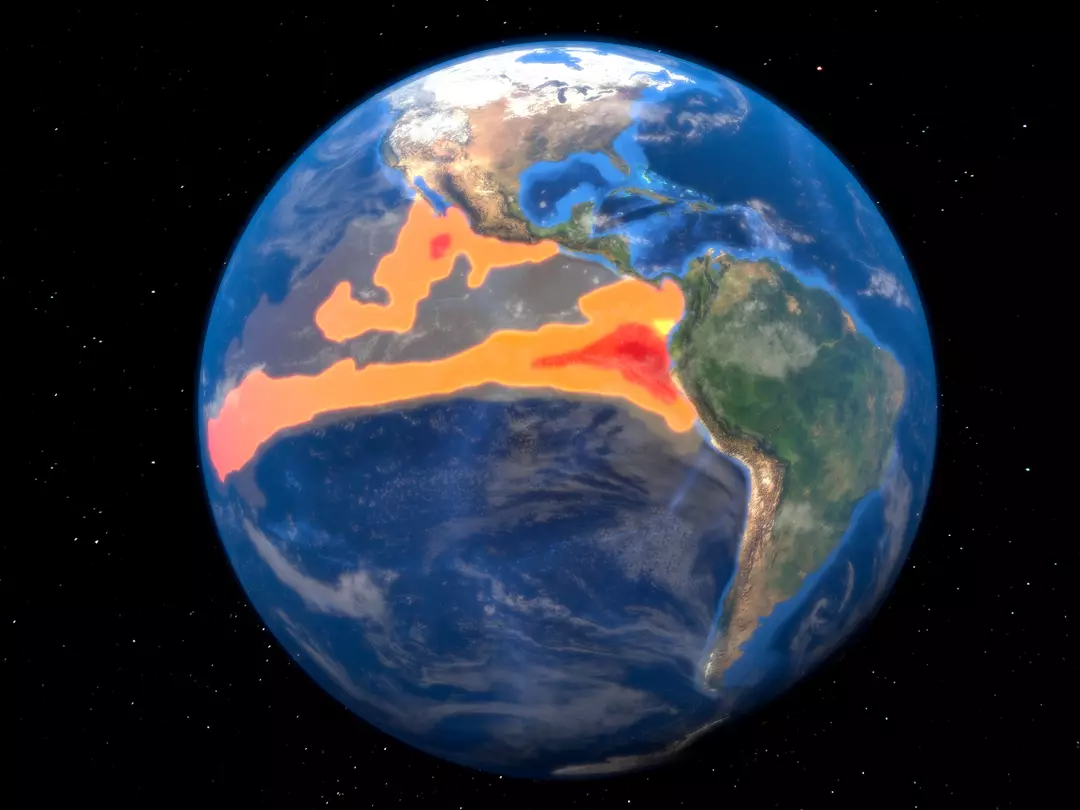
That analysis suggested the effects could persist for as long as two years, with prices potentially peaking by 9 percent after 16 months.
The exact consequences of El Niño vary by region. WMO says a warmer Pacific can worsen heatwaves and heavy rainfall, while NOAA notes ENSO typically shifts precipitation and temperature patterns across the globe; historically, impacts often include wetter conditions in parts of the southern United States and Mexico and drier conditions in parts of South America, though the exact pattern depends on the event.
Experts also say climate change may intensify the event, with rising global temperatures increasing the chances of more severe weather extremes. WMO said El Niño can increase the risk of heatwaves on land and in the ocean, while adding that it typically raises global temperatures and drives more extreme weather and rainfall patterns.
Celeste Saulo, secretary general of the World Meteorological Organization, claimed that a strong El Niño may well ‘exacerbate drought and heavy rainfall and increase the risk of heatwaves both on land and in the ocean’.