

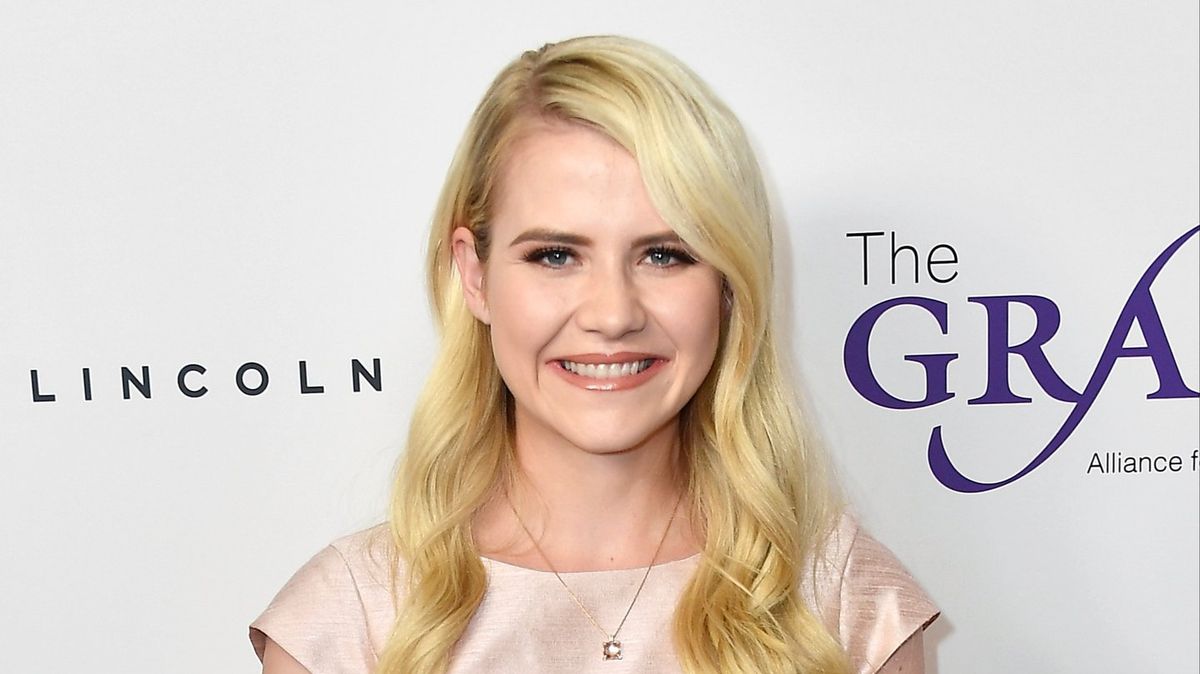
Elizabeth Smart has opened up about the approach behind her toned physique after embracing bodybuilding, saying the experience has helped her feel proud of her body after years of carrying what she described as ‘shame’.
Now a mother of three and still best known for surviving a high-profile kidnapping as a teenager, Smart says bodybuilding has given her a new kind of confidence and a sense of ownership over her body.
Many people first came to know her name because of the horrific kidnapping case that drew national attention in 2002.
Smart, who is now 38, was just 14 when a man entered her family home in Salt Lake City, Utah, on June 5, 2002, and abducted her at knifepoint.
After months of anguish for both Smart and her loved ones, Brian David Mitchell and Wanda Barzee were identified as the people responsible for taking her.
Mitchell was sentenced to life in prison, while Barzee received a 15-year sentence before being released in 2018.
In recent months, Smart has shared more about how bodybuilding became part of her healing process. She first revealed her progress publicly in April 2026, and later said she had competed in multiple bodybuilding events, including her fourth competition at the Wasatch Warrior show in Salt Lake City.
Although she eventually made it back home, Smart said that feeling at ease in her own body did not come quickly.
“I really have fallen in love with it because I just feel like it’s an outer reflection of how I have felt about my body,” she explained. “I am so grateful to my body. It really has carried me through so much, and I feel like it’s protected my soul, and it’s protected my heart, and it’s given me three beautiful children.
She added: “It’s brought me through every worst day of my life and so now I want to celebrate it.”
After first sharing her bodybuilding progress publicly in April, the activist also discussed what has helped her reach her current level of fitness.
For Smart, the transformation has not only been about workouts and nutrition, but also about having the right support system around her.
“It’s lifting heavy, it’s prioritizing protein, and then for me, it was really important to have a coach that was there to help me,” she revealed.
She explained: “Having honest feedback and motivation, but at the same time being like, ‘Hey, I notice that this week’s check-in it kind of looks like maybe you had a hard week or you slid back a little bit. Tell me what’s going on. Let’s see if we can work through this and come back better next week.’”
Smart said that consistency, guidance, and her mindset have all played a role in the progress she has made.
“I feel like all of those things have helped make a difference,” she added. “And then just constantly reminding myself that I can do hard things.”
She has also said the sport changed how she sees herself in public. After initially worrying that people might judge her or take her less seriously as an advocate, Smart said competing ultimately made her feel liberated and reminded her that she can be more than one thing at once.
In the years since her abduction, she has dedicated much of her life to advocacy work aimed at protecting children from abuse and exploitation.
Her story is also the focus of a Netflix documentary, Kidnapped: Elizabeth Smart, in which she speaks candidly about wanting the film to offer reassurance to other survivors of abuse.
She said: “There will be victims and survivors who watch this, and I hope they realize they’re not alone, and that they don’t have to be ashamed of what happened to them.”