


X has tightened its rules around unlabeled AI-made videos as tensions rise in the escalating US-Iran conflict.
The platform says creators who upload AI-generated footage depicting armed conflict without clearly stating it was produced using AI will lose access to its revenue-sharing scheme for 90 days.
Although the Elon Musk-owned network has openly leaned into AI in recent years—including integrating its Grok chatbot into X in 2023—it is now drawing a firmer line on content it believes could confuse viewers during fast-moving global events.
X head of product Nikita Bier said the change is intended to stop content that may mislead users and to limit attempts to game monetization.
In a post on Tuesday (March 3), Nikita said: “Today we are revising our Creator Revenue Sharing policies to maintain authenticity of content on Timeline and prevent manipulation of the program.
“During times of war, it is critical that people have access to authentic information on the ground. With today’s AI technologies, it is trivial to create content that can mislead people.”
He continued: “Starting now, users who post AI-generated videos of an armed conflict—without adding a disclosure that it was made with AI—will be suspended from Creator Revenue Sharing for 90 days. Subsequent violations will result in a permanent suspension from the program.”
Bier also said X will use community notes to label videos where metadata or other indicators suggest they were produced with generative AI tools.
“We will continue to refine our policies and product to ensure X can be trusted during these critical moments.”
The move follows the weekend’s escalation in the Middle East, after Iran launched missiles toward Israel and US-aligned countries in the region, following strikes that reportedly killed Iran’s supreme leader, Ayatollah Khomeini.
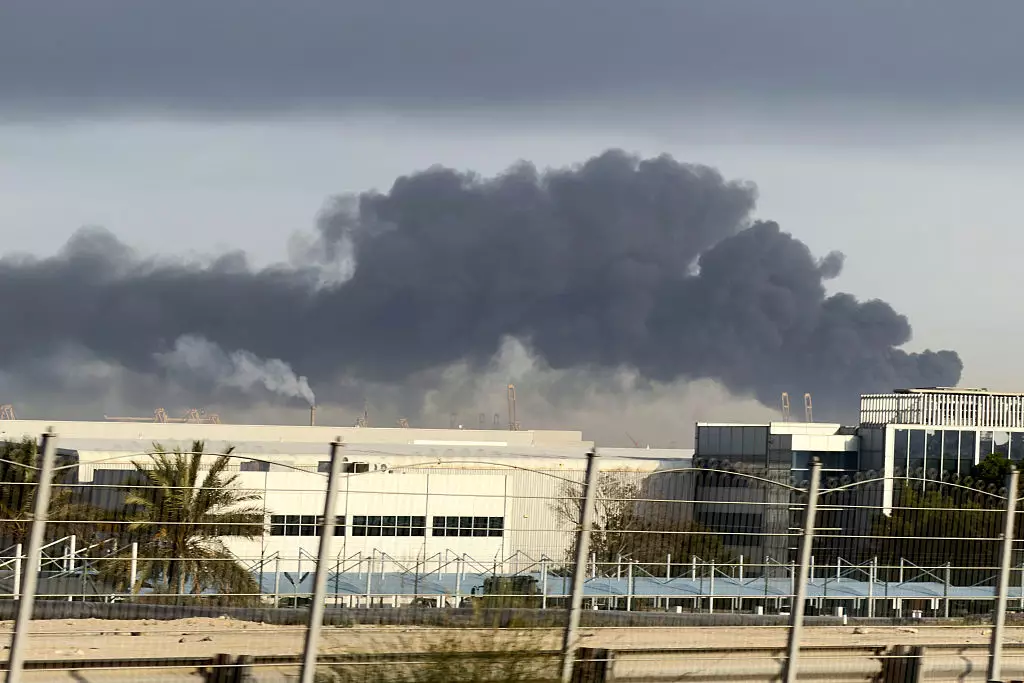
As a result, online platforms have been flooded with clips claiming to show strikes across Iran and the United Arab Emirates, adding to concerns about the authenticity of wartime footage circulating on social media.
US President Donald Trump said on Saturday (28 February) that the US and Israel had begun “major combat operations” in Iran after blasts were reported in multiple cities.
Today we are revising our Creator Revenue Sharing policies to maintain authenticity of content on Timeline and prevent manipulation of the program.
During times of war, it is critical that people have access to authentic information on the ground. With today’s AI technologies,…
— Nikita Bier (@nikitabier) March 3, 2026
After a notable increase in US military presence in the area in recent weeks, Trump said in a Truth Social video that ‘we are going to destroy their missiles and raze their missile industry to the ground’.
Iran’s Supreme Leader Ayatollah Ali Khamenei was later confirmed dead following Israeli missile strikes around Tehran, with reports also citing hundreds of civilian casualties.
Trump said the operation was carried out to ‘ensure that Iran does not obtain a nuclear weapon’.
The action follows weeks of Trump warning of military intervention if Iran did not agree to a revised arrangement regarding its nuclear programme, while Iran has repeatedly maintained that its nuclear work is ‘entirely peaceful’.
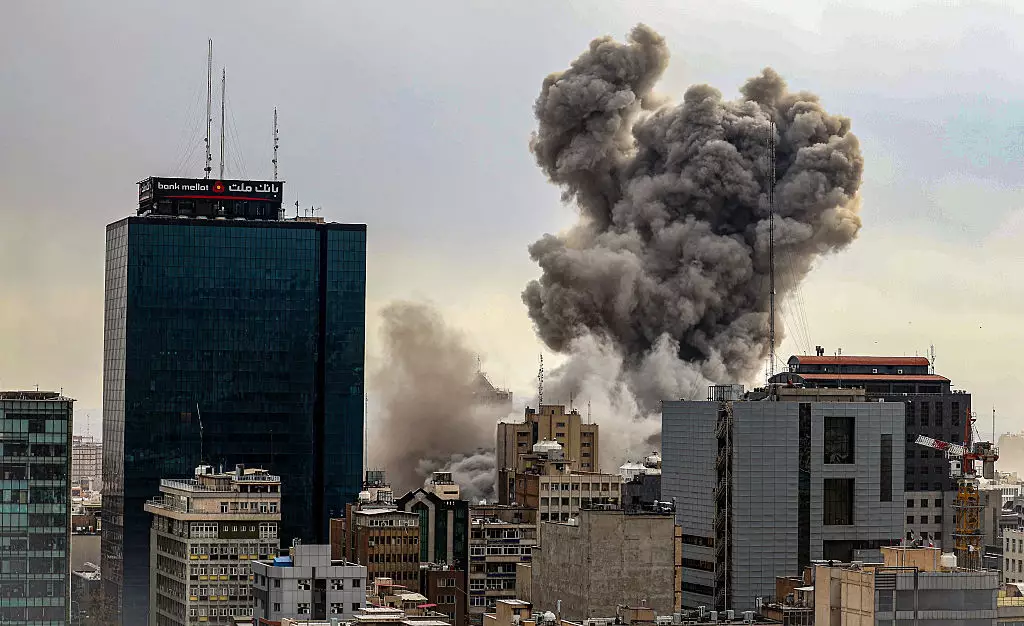
In response to the US and Israeli strikes, Iran carried out attacks targeting Israel and several Gulf Arab nations, including Qatar, the UAE, Bahrain and Kuwait.
Footage posted online by tourists and residents has shown damage across affected areas following missile and drone strikes, though the authenticity of some clips has been questioned as AI tools become more widely used.
Separately, after Hezbollah—an Iranian-backed militia in Lebanon—fired missiles toward Haifa, Israel carried out retaliatory strikes.
On Tuesday (3 March), Israel’s Defence Minister Israel Katz said IDF troops would ‘advance and seize additional strategic areas in Lebanon in order to prevent fire on Israeli border communities’.